Things to Know Before Getting Invisalign

If you are self-conscious and tired of crooked teeth and how they look, the last thing you probably want is bulky and very visible metal brackets. While braces have been one of the more acceptable and traditional ways for teens and adults to correct certain blemishes, it is no longer the only option. Invisalign is one of the newest and most innovative ways to restore crooked teeth currently available for teens and adults. While it holds many advantages, which we will discuss in this blog, you should know everything you need before getting Invisalign. So, keep reading to find out more! 

What is Invisalign and How Does it Work? 

What is Invisalign and How Does it Work? 

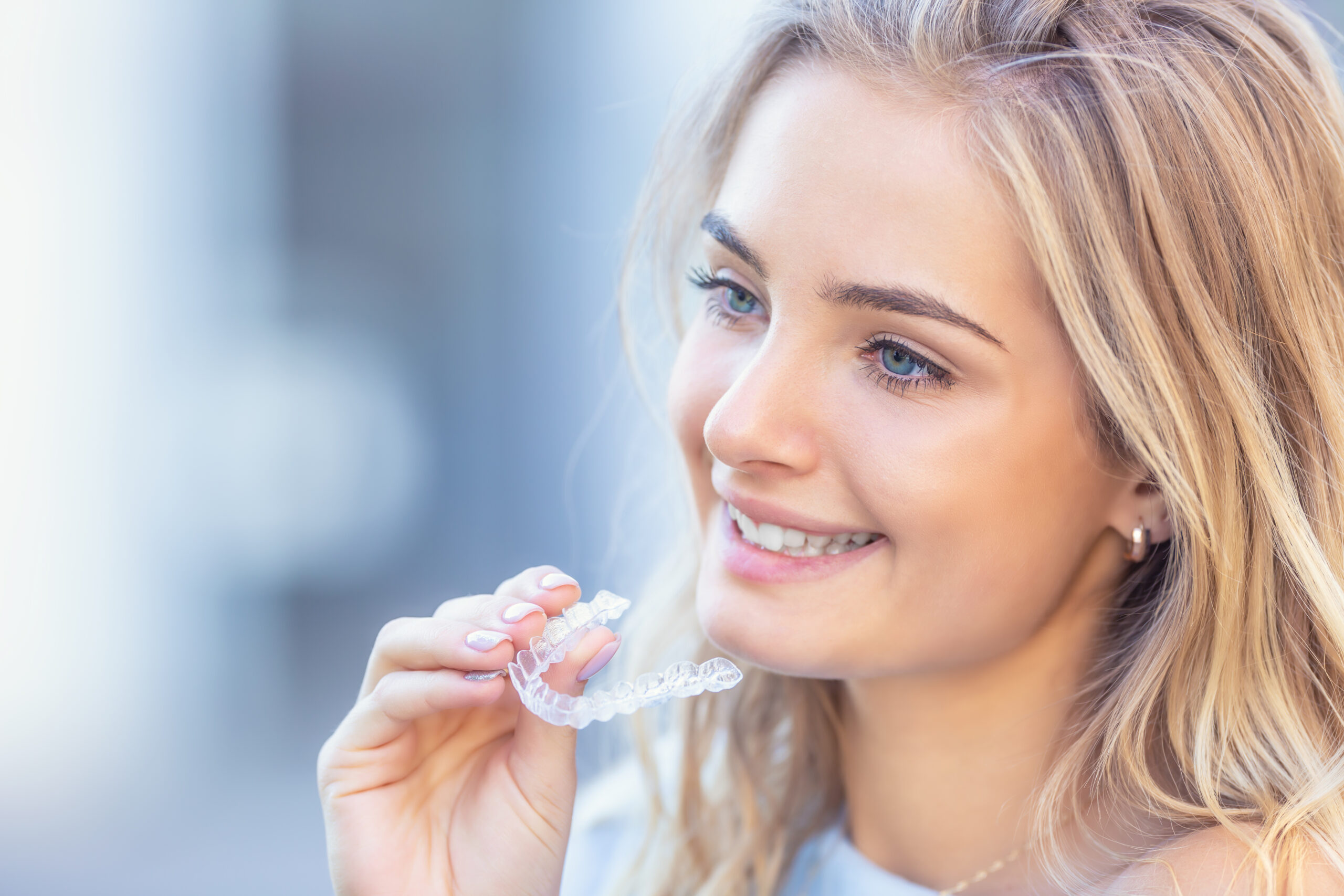
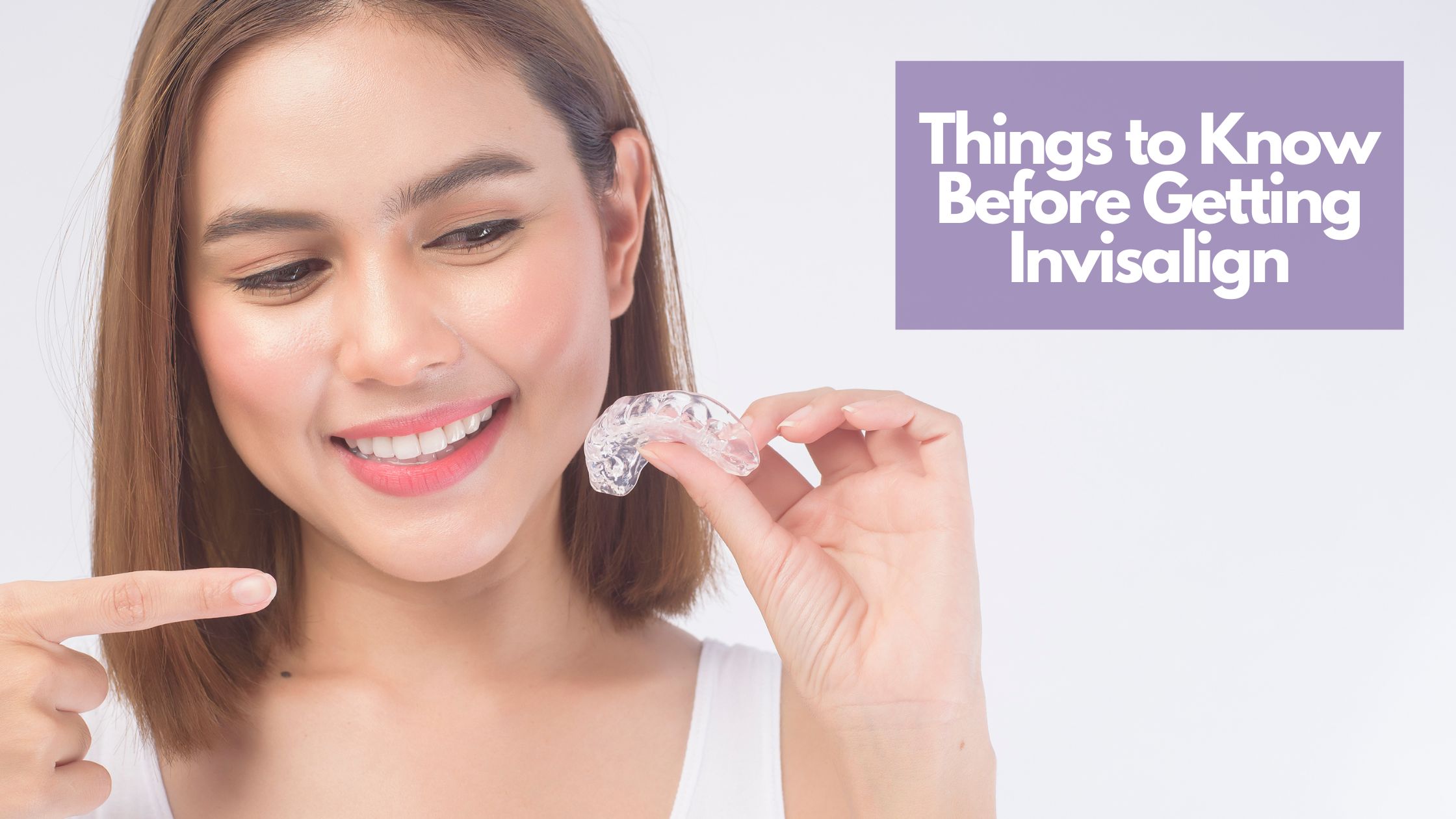
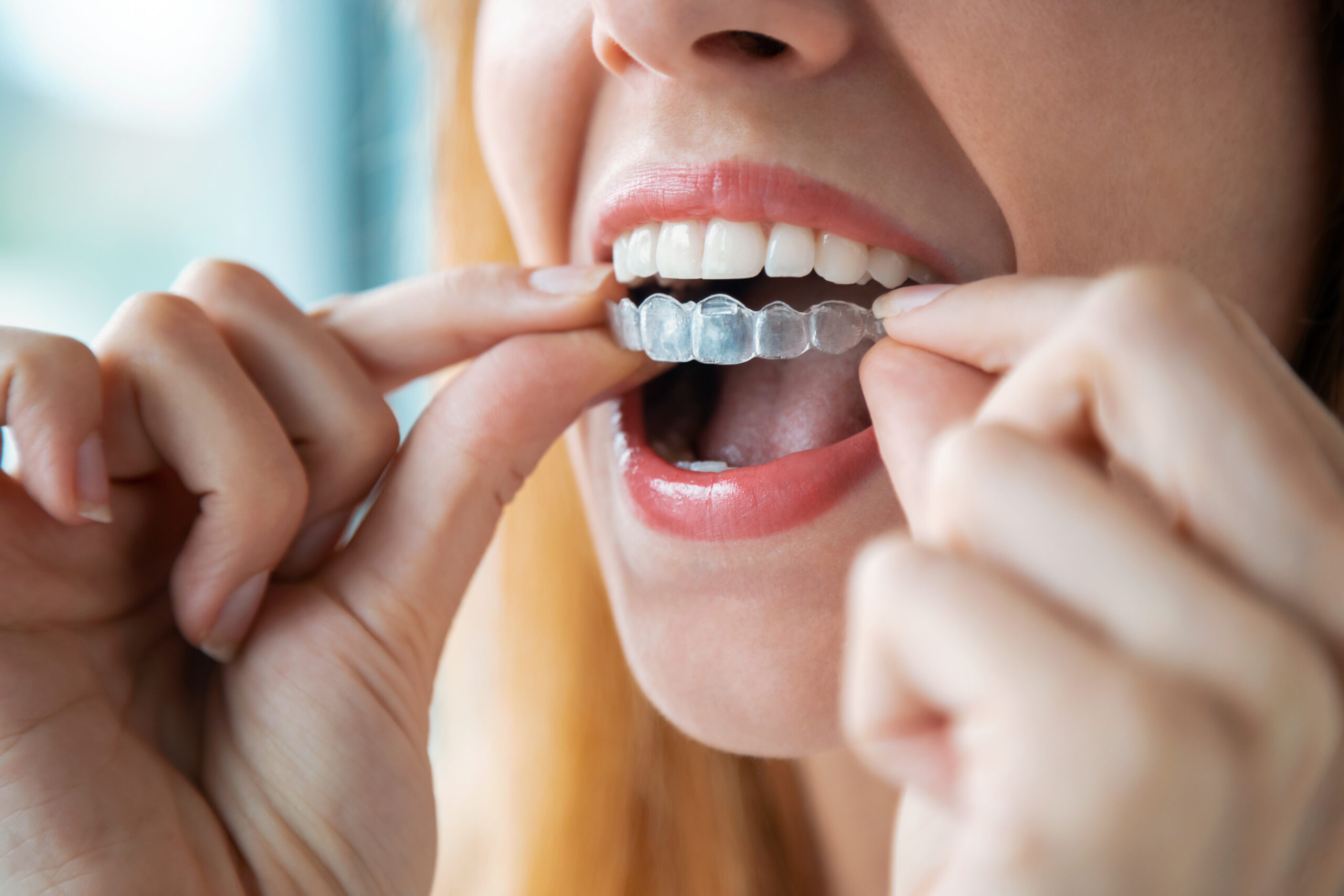
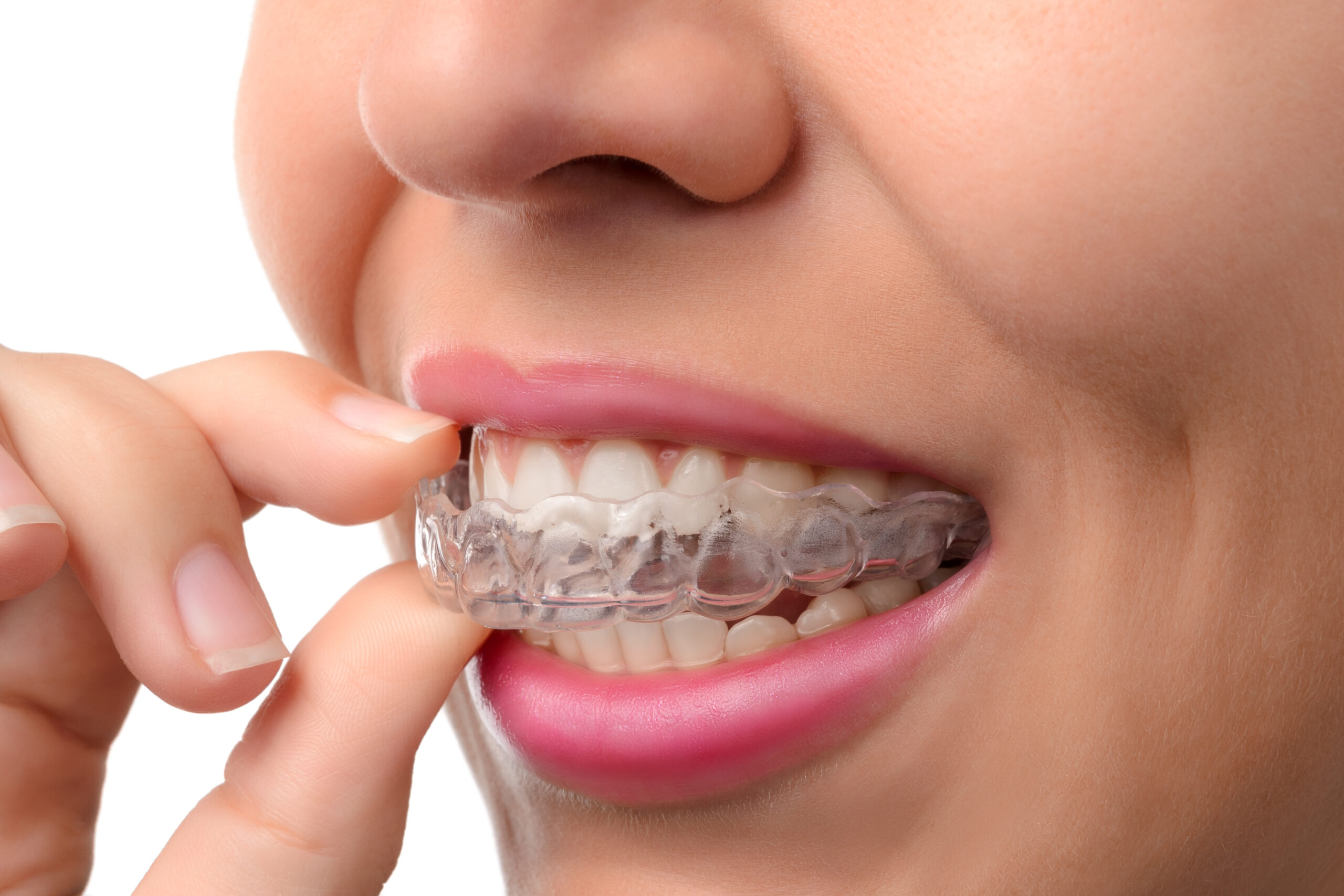
Invisalign is an alternative to traditional metal braces, currently available for teens (Invisalign Teen) and for adults. This treatment method consists of clear plastic aligners that are expertly fitted to the unique teeth and mouth of each patient. Using advanced technology, patients are fitted with their aligners to fix a range of different problems, including: 

  • Gapped teeth
  • Crowded teeth
  • Crooked teeth
  • Mild overbite

Each set of Invisalign aligners is worn for about two weeks. The aligners are specially manufactured to move the teeth in small increments. When a new aligner is put in, the teeth in the tray are slightly straighter than the teeth outside of the aligners. This technique puts pressure on the teeth, manipulating your teeth to move over each treatment session. After each aligner replacement, the teeth will continue to move until they have straightened to their final positions. Treatment time depends on each patient but typically lasts about 12-18 months.


Now, here are a few things you need to know about Invisalign: 


1. You May Talk a Little Funny in the Beginning 

Wearing aligners on your teeth every day is going to be a little bit of an adjustment, especially when trying to talk. Due to the face, the aligners cover the back of your teeth where the tongue moves when speaking, so there can be a little bit of difficulty enunciating certain words. But don’t worry. Patients tend to only experience this for the first couple of days until they get used to the feeling and location of the aligners. 

2. No One Will Notice You Wearing Them 

Ok, some people, if they look really, really close, may be able to notice that you are wearing the aligners, but generally, unless someone around you is looking for them, they won’t even notice you have them on. This is one of the leading advantages of Invisalign and the main reason patients choose this dental treatment method. Once you have them on, the aligners blend perfectly with your teeth and are very transparent; no one will even notice that you are straightening your teeth. No more unattractive metal brackets affecting your self-confidence every time you open your mouth. 

3. You Can Continue to Eat Your Favorite Foods

One of the worst things about wearing metal braces is the fact that you should avoid certain foods. These include: 

  • Chewy candy 
  • Bagels 
  • Chips 
  • Popcorn 
  • Chewing gum 
  • Hard candies 
  • Nuts 
  • Apples 
  • Corn on the cob 
  • Carrots 
  • Among others 

Many teen and adult treatments can expect to have their braces for 18 months to about three years. That’s a long time to avoid certain foods that you love. So, don’t with Invisalign! Thanks to the ability to remove the aligners, you can take them out before eating. No restrictions. However, it is essential to remember that certain foods can damage the teeth, so ensure that you follow regular dental recommendations on your diet regarding the health of your teeth. 

4. Your Dental Routine is Extremely Important with Invisalign 

Now, we’re not saying that your dental routine isn’t important on a regular basis, but to ensure that your aligners do the proper job, you must always brush and floss. While taking your aligners off to eat is extremely beneficial, you have to ensure to brush your teeth each time you eat. This is to reduce the chances of staining your aligners which will make them more noticeable and, in time, possibly damage them. We recommend keeping a travel toothbrush on you at all times! 

Additionally, don’t forget to floss as well. While it may be a bit inconvenient, it is critical during Invisalign treatment. These aligners fit right against the teeth, pushing them into the right position. If food debris is stuck between your teeth, the aligner will push that debris right against your tooth all day. This can lead to cavities. Therefore, make sure to floss and brush constantly. 

5. More Comfortable than Traditional Braces

In addition to being discreet, these aligners are known to be more comfortable when compared to traditional braces. For many patients, the pain associated with brackets leads to an over uncomfortable experience. Remember, treatment time for braces is quite long, and while you may get used to the discomfort, you shouldn’t have to. While braces cause irritation due to the sharp edges that rub and cut against different areas in the mouth, Invisalign custom aligners pop right over the teeth with no sharp edges, similar to a mouth guard. 

6. They are Very Effective 

While Invisalign is typically not as transformative as braces, it is still ideal for patients with mild conditions such as mildly crooked teeth. Invisalign’s customized plastic aligners allow for teeth to adust and straighten gradually over time. While it’s understandable to have doubts, as metal braces have been around a lot longer, your dentist will never recommend Invisalign if your condition cannot be treated with these clear aligners.  

Invisalign Clear Aligners in Palos Park, IL

Invisalign Clear Aligners in Palos Park, IL

If you are interested in correcting your smile and want a way that doesn’t include months of metal braced on your teeth, then Invisalign may be right for you. Sheehan Dental provides patients with Invisalign clear aligners in Palos Park, IL. Therefore, if you are interested in an easier, more comfortable way to correct misalignments in your smile, then contact Sheehan Dental to learn more. Book your appointment online.

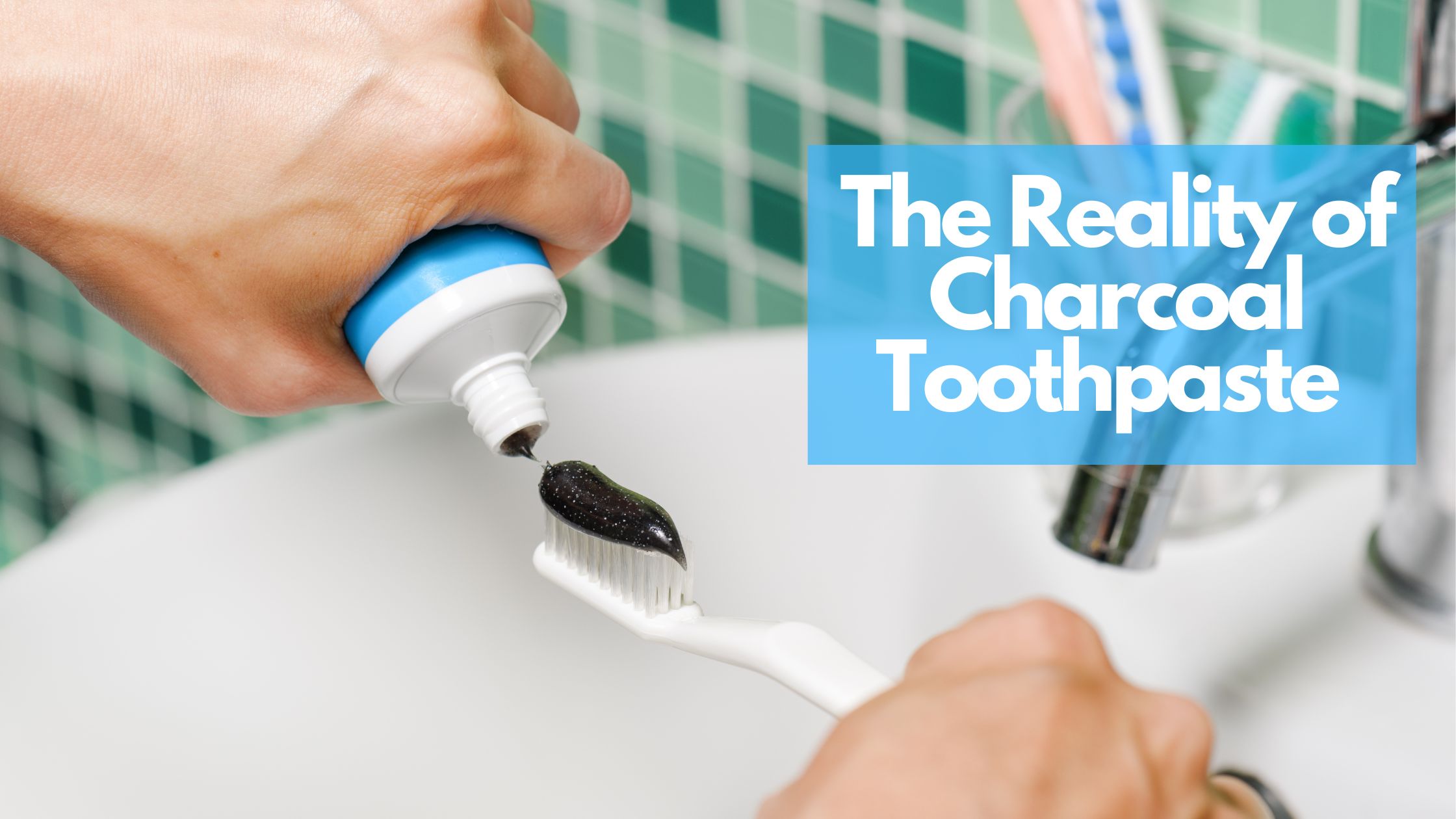
The Reality of Charcoal Toothpaste

If you have been following the popularity of charcoal toothpaste and the supposed wonders of its ability to create white and shiny teeth and are wondering if the rave is real, then you have found the right place to learn more about this unique toothpaste. We are going to discuss the pros and cons of charcoal toothpaste while also debunking any myths associated with it.

Due to the increased interest in charcoal-based toothpaste, people often find themselves dazed and confused when searching for the right one to choose from. Therefore it is crucial to look at the facts and determine whether or not this popular trend is healthy and whether the lasting effects it has are beneficial or detrimental to the health of your teeth.

What is Charcoal Toothpaste?

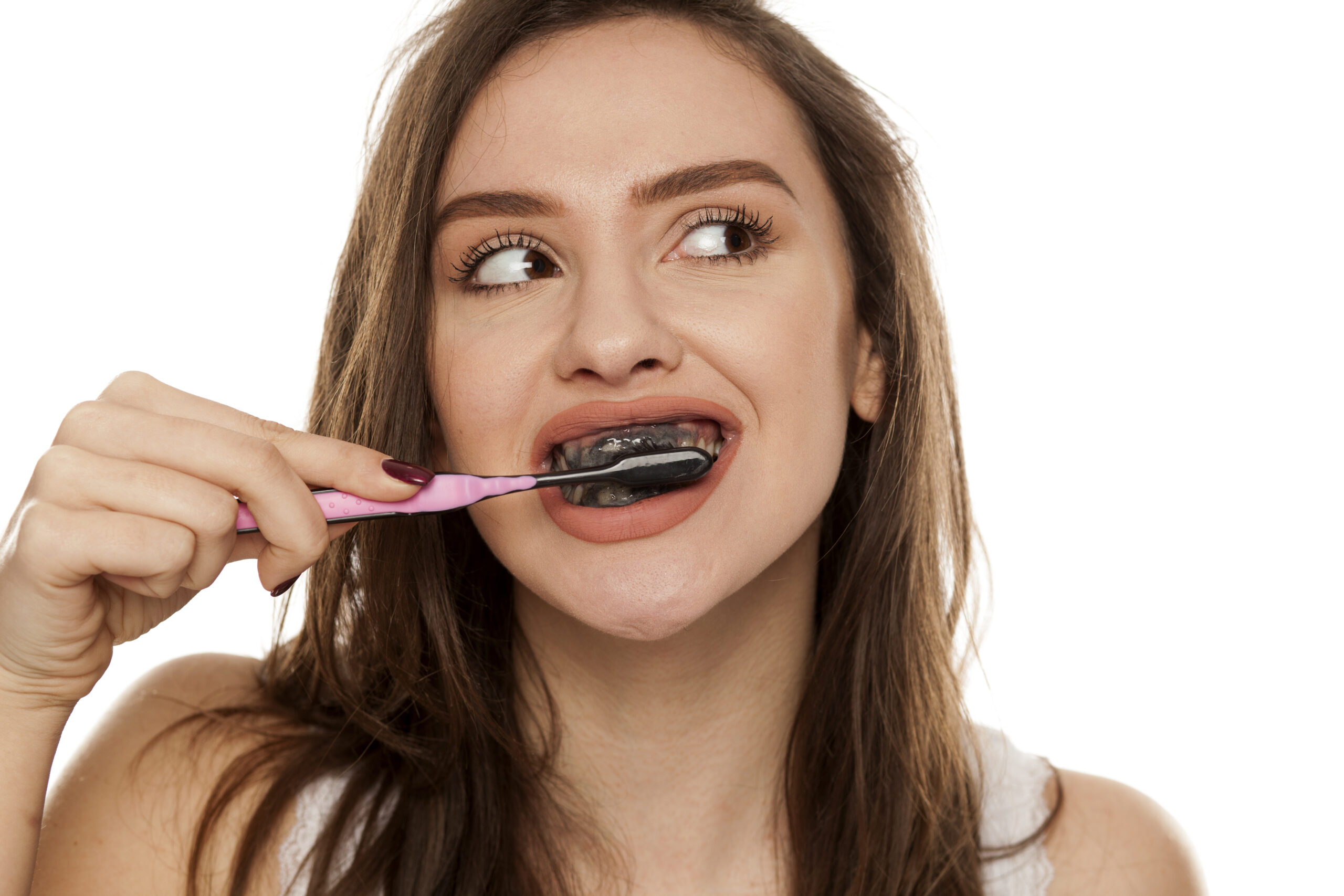
Charcoal toothpaste is a type of toothpaste that contains activated charcoal. Activated charcoal is a form of carbon that has been treated so that the surface particles are porous. In toothpaste, activated charcoal is marketed as something that binds to things like stains, bacteria, and tartar. As a result, it is said to be extremely effective for freshening the breath and whitening the teeth.

The Pros of Using Activated Charcoal

The Pros of Using Activated Charcoal

First, we are going to take a close look at the benefits of activated charcoal toothpaste. The oral health benefits of using activated charcoal are evident when used, besides other regular oral hygiene habits such as flossing and brushing regularly. Some of the main pros of charcoal toothpaste include the following:

  • Due to their abrasive nature, they can clean certain stains on the tooth surface. The activated charcoal is able to remove certain stains from the enamel.
  • Charcoal toothpaste is normally inexpensive in comparison to getting a tooth whitening treatment.
  • It alleviates chronic halitosis or more commonly known as bad breath; due to its abrasive properties, the roughness on the tooth’s exterior can be smoothened while polishing the teeth.

Cons of Charcoal Toothpaste

Cons of Charcoal Toothpaste

While there are multiple benefits of using activated charcoal toothpaste, you need to be conscious of the many disadvantages that the product boasts. Some of the main cons of charcoal toothpaste include the following:

  1. It is too abrasive for daily use –  Some may view the abrasive qualities of charcoal as beneficial for the ability to remove stains on the surface of the teeth, but it shouldn’t be used daily. Using this particular type of toothpaste can wear down the enamel of the teeth. This exposes the dentin that is underneath the surface, making the teeth more sensitive.
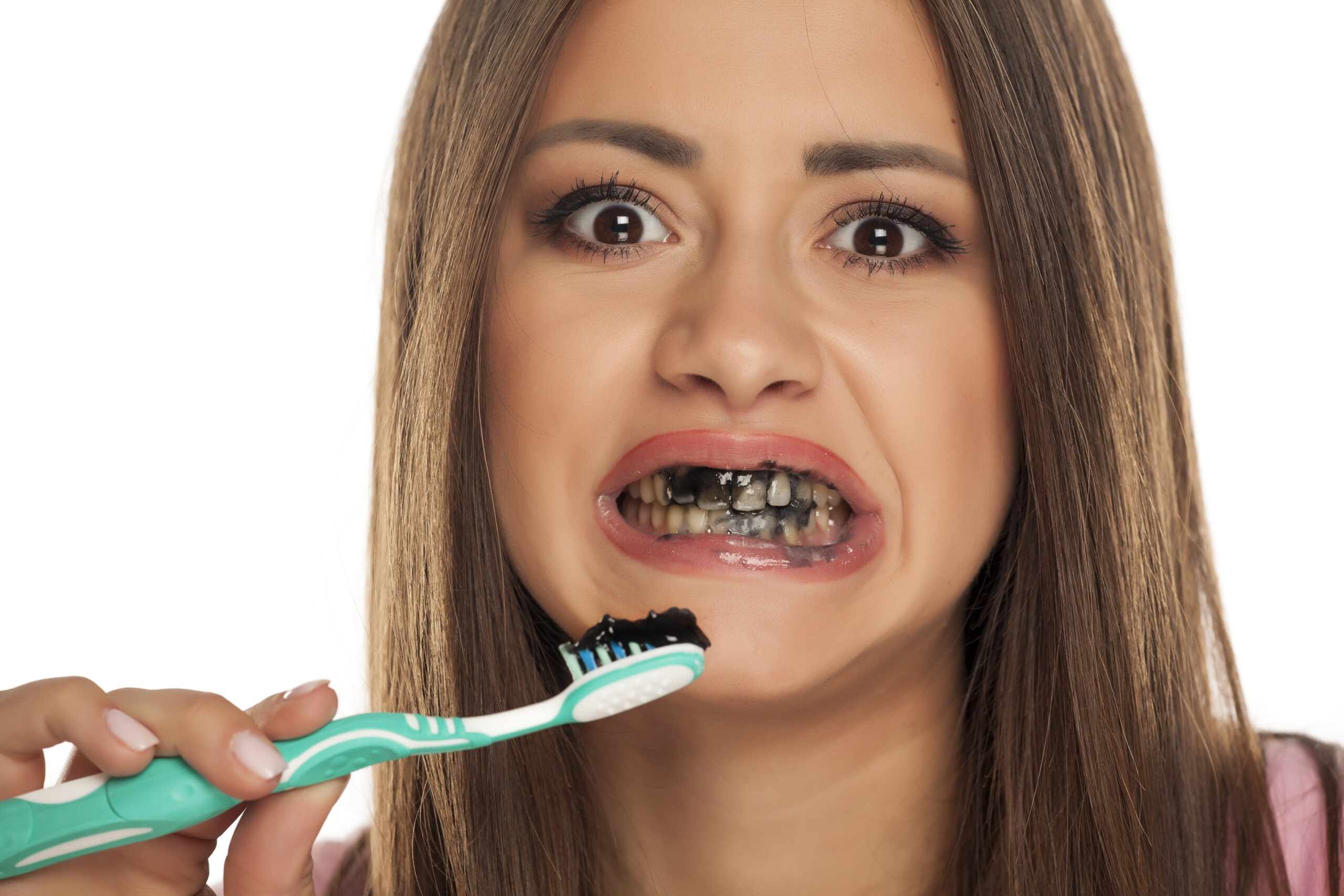
  2. It can inadvertently cause stains – While many think that charcoal whitens the teeth, it may have the potential to cause new stains on certain teeth. This is because the particles in charcoal can build up in the cracks and crevices in worn-out teeth, which can end up making them look more grayish or with a darker hue. Regular usage of this type of toothpaste can cause new stains while removing others.
  3. Charcoal toothpaste has the potential to increase your cavity risk-  Those who are looking to change to charcoal toothpaste need to be extremely careful of the products that they buy. Most don’t have fluoride, an essential chemical compound to prevent cavities. Therefore, patients have to find fluoride in many different ways. Make sure to read the labels and talk with your dentist to find out which toothpaste is the right one for you and the health of your teeth.
  4. It may impact the build of dental restorations – Another profound possible problem that’s affected by the frequent use of charcoal toothpaste is that it can cause stains on dental restorations. This may result in unattractive gray or black outlines, negatively influencing the appearance of the teeth and smile.

Tips for Using Charcoal Toothpaste Safely

If you still want to give charcoal toothpaste a try, make sure that you are using it safely. While you may be using charcoal toothpaste, don’t completely avoid using fluoride-rich toothpaste. Dentists recommend that patients use charcoal toothpaste alone as part of their daily dental hygiene regimen. If you decide to use charcoal toothpaste, ensure that you brush very gently to mitigate its abrasive effects and make sure to rinse the mouth comprehensively after using it.

Want Whiter Teeth? Trust the Professionals

Your toothpaste does wonders for the health of your teeth, but the reality of charcoal toothpaste is that it doesn’t really whiten your teeth. Trust the dental specialists for professional tooth whitening if your teeth are stained, and you want a solution that lasts and does not negatively impact your oral health.

The dental experts at Sheehan dental provide both teeth whitening services and trustworthy advice on the right products to use in your dental cleaning routine. Do you want to have a brighter and cleaner smile? Then get in touch with the dental professionals at Sheehan Dental today!

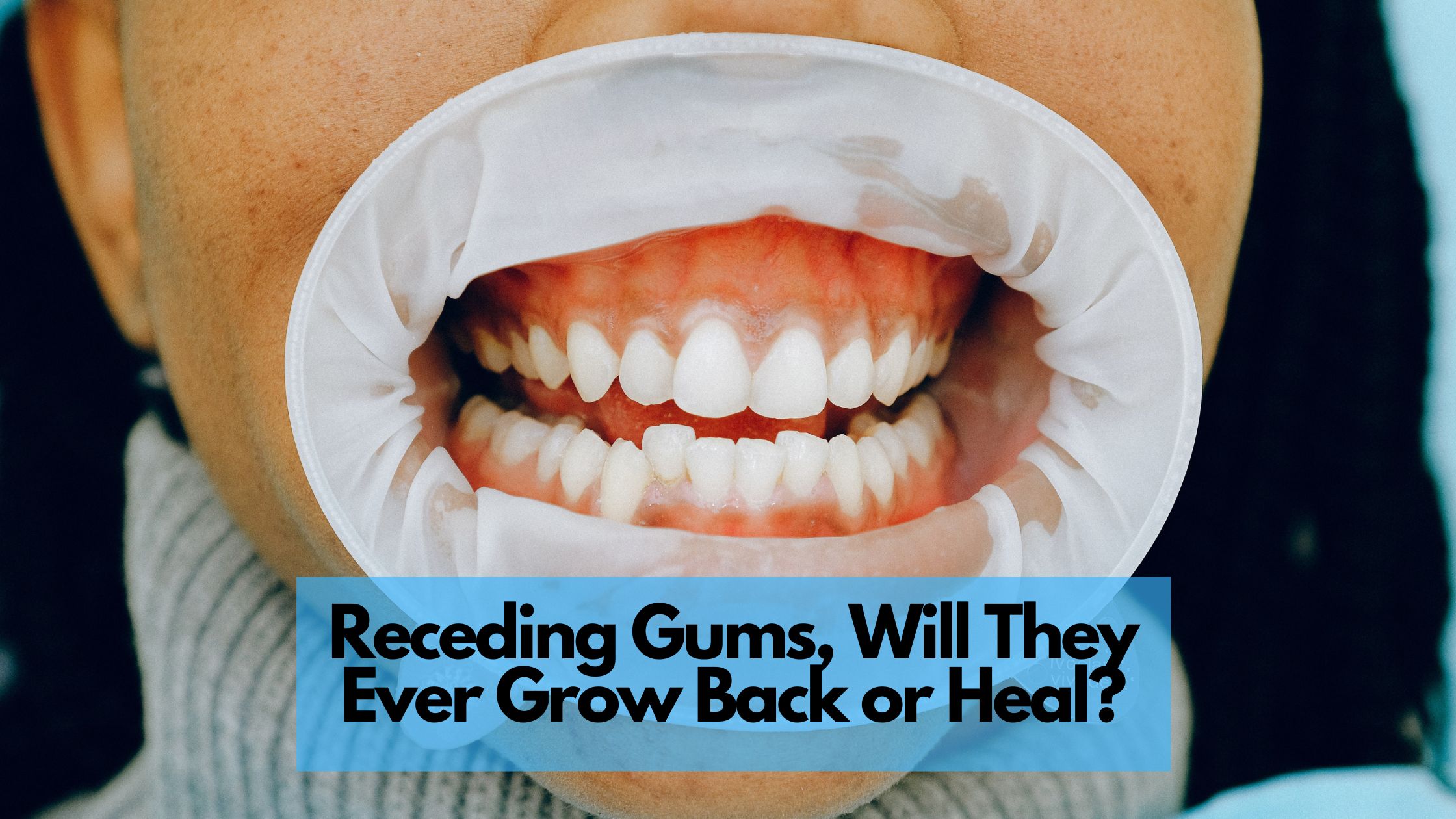
Receding Gums, Will They Ever Grow Back or Heal?

The last time you looked in the mirrors, did the gums around your teeth seem to be retreating? You may be experiencing receding gums. If you are, it’s crucial you know that you’re not alone! Of those over 30 living in the United States, over half of the US population have some level of gum recession. However, it can also start as early as your teens. So, you might have the question on your mind, will receding gums ever grow back?

While receding gums aren’t immediately a dental emergency, they shouldn’t be ignored. If you notice that you have receding gums and decide to leave them alone, they can eventually cause serious dental issues. Therefore, as soon as you notice its symptoms, schedule an appointment with your local dentist right away.

What are Receding Gums?

Receding gums are when the gums pull away from the teeth, exposing the roots of the teeth. Due to the roots not having protective enamel like fond on the crown of the tooth, it leaves the teeth highly vulnerable to issues such as decay. Gums that are receding from the teeth also can leave pockets in which bacteria build up. Additionally, this unwanted buildup causes the gum tissues to pull back even more and keep on doing so.

Unlike some tissues in the body, like epithelial tissue that grows back after experiencing an injury, the tissues in the gum do not regenerate like this. Once you have lost a significant amount of tissue, it is, unfortunately, gone forever. However, after you are diagnosed with receding gums, there are various treatments designed to restore the gums’ health and protect your pearly whites.

Signs of Receding Gums

Signs of Receding Gums
Receding gums are caused by periodontal disease, more commonly known as gum disease. This disease directly targets the gums, which are the tissues that help the teeth stay in place. When poor habits lead to the buildup of plaque, gum disease can eventually occur and cause a number of issues. While receding gums can make the teeth appear longer, gum disease can cause the following symptoms:

  • Tender gums
  • Red or swollen gums
  • Pain while chewing
  • Persistent bad breath
  • Bleeding gums
  • Sensitive teeth
  • Loose teeth

If you know any of these signs, contact your dentist and schedule an appointment immediately. The quicker action that is taken can ultimately save you money, pain, and time on treatments.

What Causes Receding Gums?

What Causes Receding Gums?
There are various causes of receding gums. The most common reasons include:

  • Tobacco and smoking use: Using tobacco limits blood flow to the tissue inside of your body. It also affects the way your body heals after an infection or injury. Smoking can make gum recession caused by other reasons worse.
  • Teeth grinding: Grinding your teeth, during both the day and night, puts high amounts of pressure on the gum tissue. This will eventually lead to gums receding from the teeth.
  • Over-brushing: While it might be odd for anyone to hear that they are brushing too much, it can actually lead to gums receding. Brushing too much and using too much pressure will damage both the gums and enamel.
  • Oral injury: Injuring your gums, such as through trauma occurring during sports activity or an accident, can cause gums to recede.

If your dentist determines you are suffering from receding gums, don’t worry. There are several options, thanks to modern dentistry advancements, that are designed to treat them. Your dental specialists will also determine the cause of your receding gums so you can make any alterations to your lifestyle to prevent future damage.

Improving Your Gum Care with Sheehan Dental

When bacteria is built up in the pockets, your dentist may recommend deep cleaning, scaling, and root planing. This particular treatment involves removing hardened plaque, also named tartar, from underneath the gum line. Root and scaling planing involved the use of a scraping tool to loosen the plaque, which is then removed using other dental instruments.
This particular dental therapy gives you a chance to “start over” and take better care of your gums. While it will not reverse the gums that have already receded, this clean slate will allow you to prevent the recession from happening again. Some other recommendations your dentist may tell you are:

  • Switching from a medium or hard-bristled toothbrush to a soft-bristled one.
  • Using an antibacterial, dentist-approved mouthwash each day
  • Flossing before brushing your teeth every evening
  • Visiting the dentist at least every six months for routine check-ups and monitoring.

Additional Treatment Options for Receding Gums

Additional Treatment Options for Receding Gums

Gum Graft Surgery

If your gums have receded to the point where the roots of the teeth are exposed, you may be eligible for gum graft surgery. This particular surgery takes gum tissue from the top of the palate or from a donor to cover the root that is exposed. This procedure helps reduce the discomfort of tooth sensitivity while at the same time fighting back against additional gum recession.

Regenerative Procedure

During a regenerative approach, the specialist removes the bacteria and folds back the infected gum tissue.

Periodontal Pocket Procedure

If the tissue in the gums has been destroyed to the point that unmanageable or deep pockets form around the teeth, your dentist might recommend periodontal pocket surgery. During the treatment, the tissue is folded back, and the infected part is removed. Then the tissue is unfolded and secured back around the tooth.

So, Can Receded Gums Grow Back?

Unfortunately, gums that have receded can not grow back. However, the various treatments available to patients allow them to stop it in its tracks. After undergoing a procedure, with the help of your specialists and proper dental hygiene, you can avoid further recession. Therefore, once you have received your treatment, it is essential you:

  • Brush twice a day
  • Floss in the evening
  • Visit the dentist at least two times a year
  • Make changes to certain lifestyle habits like smoking
  • Avoiding eating sugary foods in excess
  • Among others

Contact Sheehan Dental to Treat Receding Gums

If you think that you are suffering from receding gums, talk to the professionals at Sheehan Dental. Their team will help you get your beautiful smile back while protecting your overall dental health. Book a consultation right away to stop receding gums and their negative effects today.

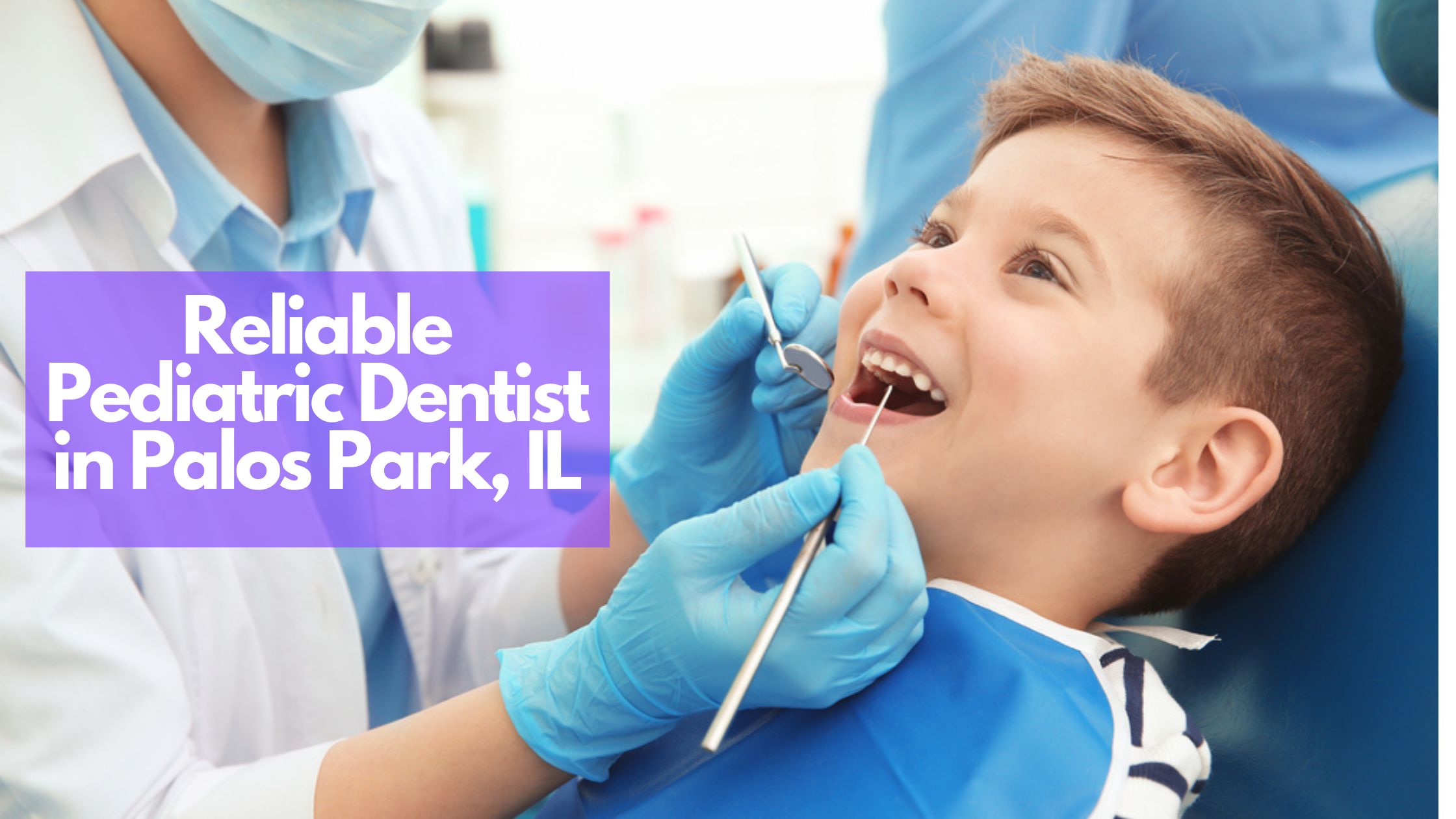
Reliable Pediatric Dentist in Palos Park, IL

The earlier that your child starts to visit the dentist, the better! Generally, it is recommended that a child visits the dentist as early as six months, one year at the latest. Early visits to the dentist will allow them to monitor the development and health of your children’s teeth and gums as they grow.

A reliable pediatric dentist in Palos Park, IL, will make it their mission to create positive early dental experiences for young patients.

The quicker a child visits the dentist, the more importance they will have in maintaining their dental health in the future. Instead of negatively reacting to brushing, flossing, and visiting their dentist, they will know the importance of proper dental care and continue to have a positive mindset.

What Does a Pediatric Dentist Do?


Pediatric dental specialists complete various functions pertaining to children’s oral hygiene and health. They place a distinct focus on the appropriate care and maintenance of baby teeth, which are crucial in promoting:

  • Proper speech productions
  • Food chewing habits
  • Holding space for permanent teeth

Some of the other critical functions of early dental care from a specialist include:
1. Prevention – Assisting children and their parents in establishing sound oral care and eating habits reduce the possibility of tooth decay later in life. Additional to providing standard dental cleanings and check-ups, pediatric dentists also:

  • Apply topical fluoride to young teeth
  • Provide good demonstrations of flossing and brushing
  • Advise parents on the advantages and disadvantages of habits, including using pacifiers and thumb-sucking.

2. Education: Dentists who specialize in care for young children educate the child using computer tech, child-friendly tech, and models. This emphasizes the significance of maintaining teeth strong and healthy. In addition, they urge parents to infection prevention, trauma prevention, and good eating habits

3. Monitoring growth – By continually following growth and evolution, pediatric specialists can foresee dental issues and quickly intervene before they worsen.

Emergency Pediatric Dental Clinic in Palos Park


As children grow, it is common for them to encounter issues that may lead to a dental emergency, just like any other part of the body. A reliable dental clinic takes emergency pediatric dental appointments extremely seriously. Assisting patients, kids, and teens deal with:

  • Chipped or broken teeth
  • Toothaches
  • Soft tissue injuries
  • Dislodged teeth
  • Misalignments

The moment you notice your child is experiencing discomfort in their teeth or are experiencing any of the above, you should book an emergency appointment right away. This will help target any trauma immediately and avoid any potential long-term issues impacting your child’s oral health.

How Often Should Children See A Dentist?

Children’s teeth are particularly vulnerable, and keeping an eye on the condition and how permanent teeth are set in the mouth as children grow is vital. Kids and teens need to see a dentist every six months to monitor that teeth are developing and erupting properly.

Not only does accomplishing the six-month recommended visits ensure that the dental clinic will be able to catch and correct any problems early. It also helps children acquire comfort and trust with dental specialists and the method of dentistry as they grow older.

Why Should You Choose A Pediatric Dentist?


The development of teeth in young children is unique and alters how they view oral health during their lifetime. A general dentist without a specialty in pediatric dentistry will do more harm than good. By choosing a pediatric dentist, you are picking a specialist that is trained to treat the unique needs of children, pediatric dentists complete 2 to 3 years of specialty training after completing their dental program.

Sheehan Dental: Proud to Specialize in Pediatric Dentistry

For decades, the entire staff at Sheehan Dental has believed in starting children on the right path regarding their dental health. From your child’s first tooth until their teenage years, they help your child develop a pearly white and healthy smile. Their clinic’s pediatric dentists and specialists are also trained to treat children with special needs. Additional benefits of a pediatric dental clinic include:

  • A Relaxed Environment: It’s extremely vital for your kid to feel relaxed during their visit. It is Sheehan Dental’s mission to create a safe place with a fun atmosphere for your child to enjoy. Instead of being scared to go to the dentist, they will have a more positive outlook.
  • Education for Parent and Child: Pediatric dentists present hygiene, preventive care, and treatments in a way that’s easy to understand.
  • Special Training: Pediatric dentists acquire special training. Young children’s dental needs are truly unique, and they require a dental professional that is specialized in the industry.

Never Have to Switch Dentists with Sheehan Dental

The growth and development of your children’s teeth is your #1 priority. While there are general dentists and those only focused on dental care, there are clinics like Sheehan Dental that offer the best of both worlds. Sheehan dental offers family dentistry for kids, teens, and adults!

Dr. Sheehan treats the whole family – from babies to seniors and everyone between. The ease of having a specialist in treating your entire family is unmatched. This way, they have the unique opportunity to grow with their team, just like their teeth. You will no longer have to find a new dentist when they reach a certain age. Scheduling, treatment, and aftercare is made so much easier by choosing a family dental clinic.

Choosing Reliable Pediatric Dentist in Palos Park IL You Can Trust

The decision to entrust your kid’s smile to a dentist is an essential one. Children will form opinions of dentistry from the first impressions they experience when going for their dental check-ups. A favorable first appearance made by the doctor and staff of your family practice will have a lasting positive impact on your children. Schedule an appointment with Sheehan Dental today for a beautiful, healthy smile.