The Impact of Seasonal Stress On Your Teeth

Stress is an inevitable part of life, and it can affect various aspects of our well-being, including our oral health. As the seasons change, so do the stressors we face, which can directly impact the health of our teeth and gums. In this blog post, we will explore how seasonal stress can affect your oral health and provide tips on how to mitigate these effects.

Understanding the Connection Between Stress and Oral Health

Before delving into the seasonal aspects of stress, it’s important to understand how stress, in general, can impact your teeth. Chronic stress has been linked to a variety of oral health issues, including:

  • Bruxism (Teeth Grinding): Stress can lead to teeth grinding, a condition known as bruxism. This involuntary clenching or grinding of teeth, especially during sleep, can result in tooth wear, fractures, and jaw pain.
  • Gum Disease: Chronic stress weakens the immune system, making the gums more susceptible to infections. This can contribute to the development and progression of gum disease.
  • Dry Mouth: Stress can reduce saliva production, leading to dry mouth. Saliva plays a crucial role in neutralizing acids and protecting teeth from decay. A lack of saliva can increase the risk of cavities.
  • Poor Oral Hygiene Habits: During stressful times, individuals may neglect their oral hygiene routines, leading to an accumulation of plaque and bacteria. This can escalate the risk of cavities and gum disease.

Now, let’s explore how the changing seasons can exacerbate these stress-related oral health issues.

Winter Blues and Oral Health

Holiday Stress

The holiday season, while joyful, can also be a stressful time. The pressure of gift shopping, family gatherings, and financial strain can contribute to heightened stress levels. This stress may manifest in increased teeth grinding, impacting the integrity of your teeth.

Cold Weather Sensitivity

For those with sensitive teeth, the winter season can exacerbate the problem. Cold temperatures can trigger discomfort, and individuals may inadvertently clench their teeth in response to the chill.

Seasonal Depression

Winter is notorious for bringing about seasonal affective disorder (SAD) or winter blues. Those affected by seasonal depression may experience changes in appetite, energy levels, and sleep patterns, which can indirectly influence oral health through changes in dietary habits and self-care.

To combat these winter-related stressors, it’s crucial to prioritize stress management techniques, such as meditation, exercise, and maintaining a healthy routine. Additionally, using a mouthguard at night can help protect against the effects of teeth grinding.

Spring Cleaning and Oral Care

As the weather warms up and nature comes to life, people often engage in spring cleaning and revitalizing their surroundings. However, this season can also bring its own set of stressors that affect oral health.

Allergies and Oral Breathing

Spring is notorious for allergies, and individuals may find themselves breathing through their mouths due to nasal congestion. Mouth breathing can lead to dry mouth, increasing the risk of cavities and gum issues.

Outdoor Activities and Oral Injuries

With the arrival of spring, people are more likely to engage in outdoor activities. While exercise is beneficial for overall health, it’s essential to be cautious and protect your teeth during sports or recreational activities to prevent injuries.

Exam Stress for Students

For students, spring often marks the season of exams and academic stress. Increased stress levels can contribute to poor oral hygiene habits and exacerbate existing dental issues.

To mitigate these spring-related stressors, staying hydrated is crucial to combat dry mouth, and using a mouthguard during physical activities can prevent dental injuries. Additionally, maintaining a consistent oral care routine, even during busy periods, is essential for preserving oral health.

Summer Fun and Dental Dangers

While summer is a time for relaxation and fun, it also presents specific challenges for oral health.

Travel-Related Stress

Many people embark on vacations during the summer, and travel-related stress can take a toll on oral health. Changes in diet, time zone adjustments, and irregular routines can contribute to oral hygiene neglect.

Acidic Summer Foods

Summertime often involves indulging in acidic foods and beverages, such as citrus fruits and sodas. These can erode tooth enamel, leading to increased sensitivity and a higher risk of cavities.

Dehydration

Hot summer temperatures can contribute to dehydration, reducing saliva production. Inadequate saliva can create an environment conducive to bacterial growth, increasing the likelihood of cavities and gum issues.

To protect your teeth during the summer months, it’s crucial to maintain good oral hygiene habits even when traveling. Stay hydrated, limit acidic food and drink consumption, and be mindful of your oral health while enjoying the summer festivities.

Fall Stress and Oral Health Challenges

As the leaves change and temperatures cool, fall brings its own set of stressors that can impact oral health.

Back-to-School Rush

The fall season is synonymous with back-to-school preparations, which can be stressful for both parents and students. The rush to get ready for a new academic year can result in neglected oral care.

Workplace Stress

For many, the fall season is a busy time at work. Increased work-related stress can contribute to teeth grinding and other oral health issues.

Sugar-Filled Fall Treats

Fall is a season of indulgence, with Halloween and Thanksgiving bringing an abundance of sweet treats. Increased consumption of sugary foods can contribute to tooth decay and gum problems.

To navigate fall-related oral health challenges, it’s important to prioritize stress management, maintain a consistent oral care routine, and be mindful of sugar intake. Regular dental check-ups can also help address any emerging issues before they escalate.

Managing Seasonal Stress for a Healthy Smile
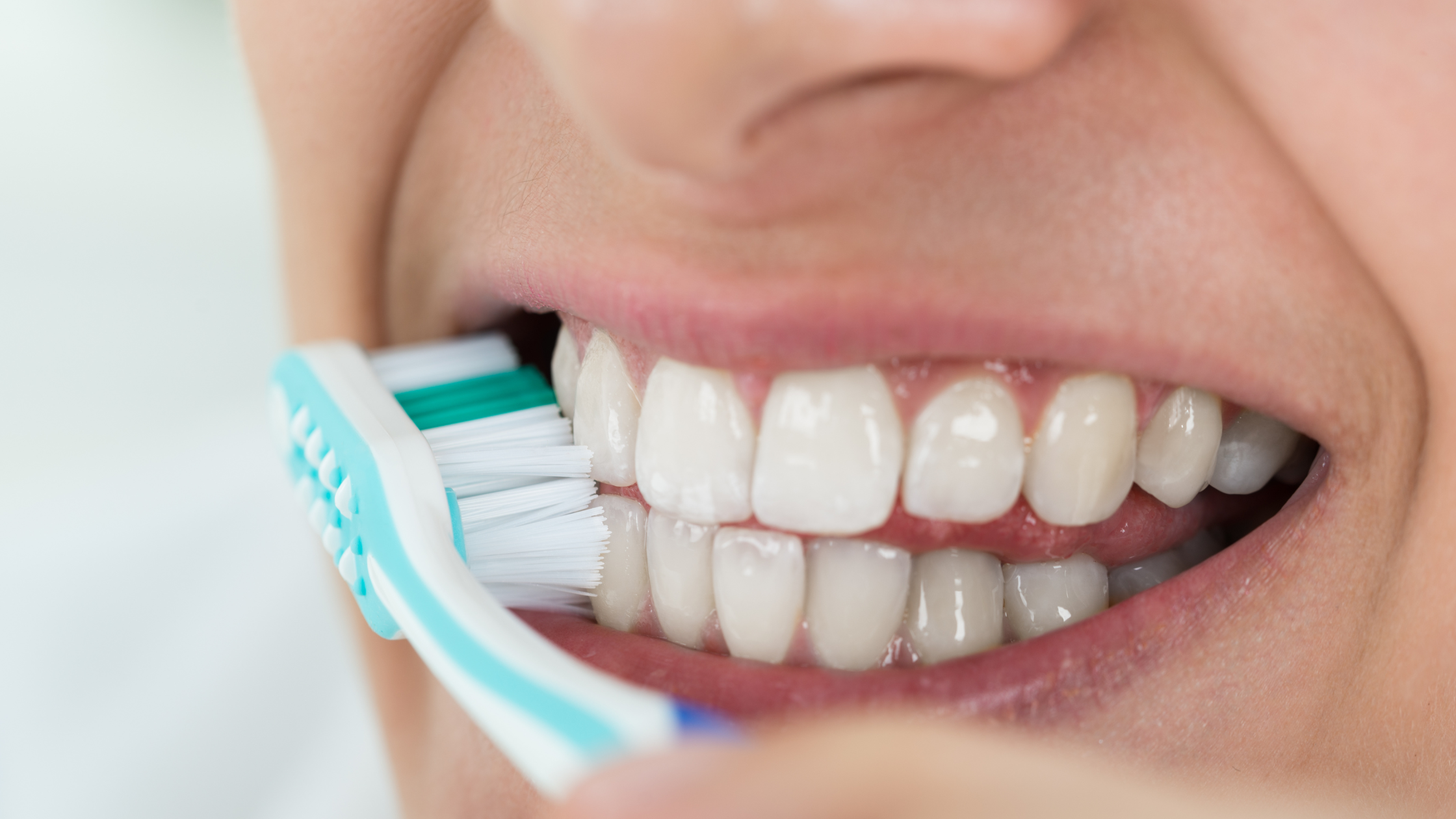
The changing seasons can bring about unique stressors that directly impact your oral health. Whether it’s the winter blues, spring allergies, summer travel stress, or fall rush, being aware of these seasonal challenges is the first step in maintaining a healthy smile. Now that winter is upon us and the holiday season is quickly approaching schedule a consultation with Sheehan Dental to ensure that your smile is protected at all times.
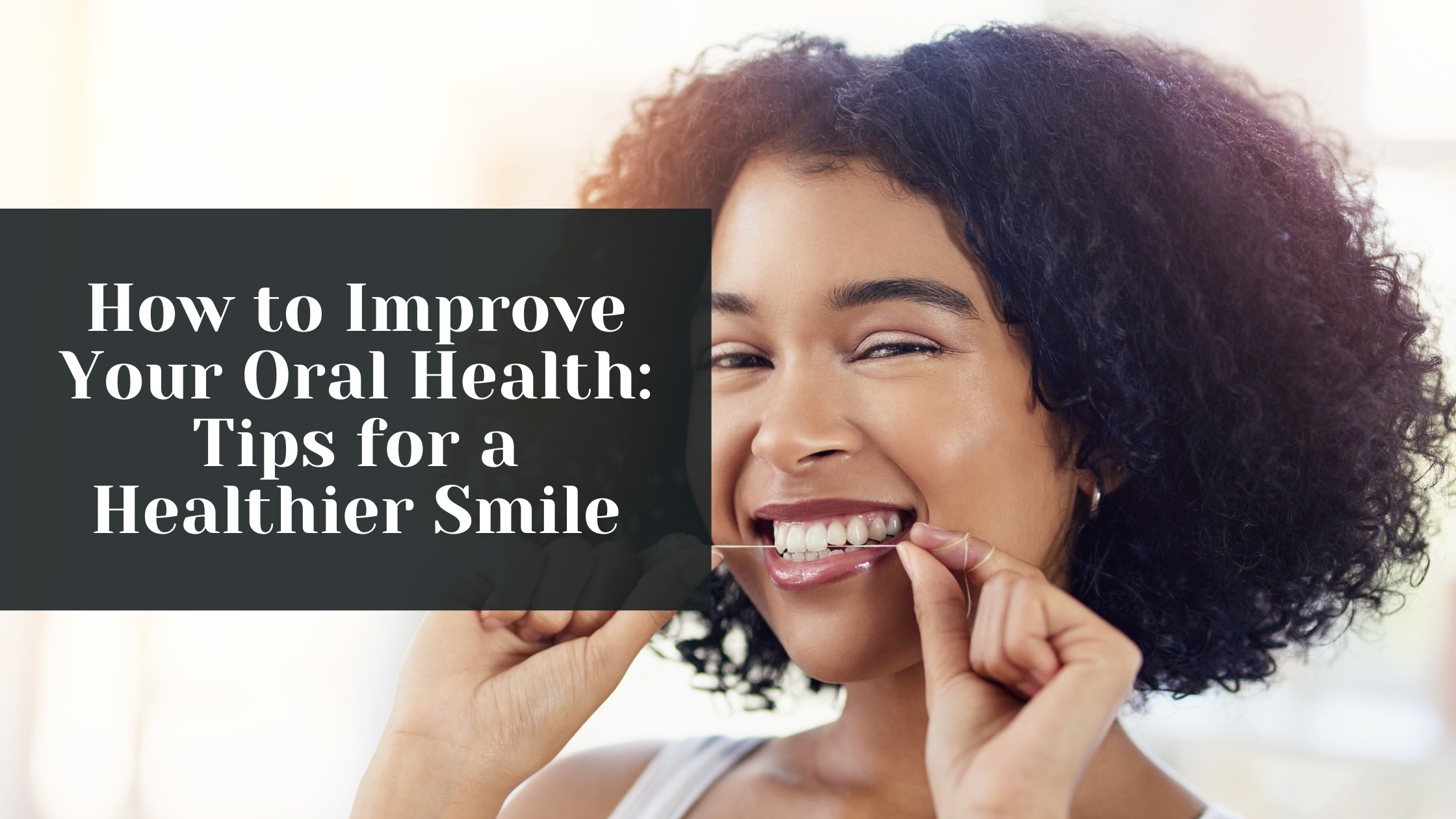
How to Improve Your Oral Health: Tips for a Healthier Smile

Maintaining good oral health is not just about having a glowing smile; it’s also essential for your overall well-being. Poor oral hygiene can lead to a host of dental problems, including cavities, gum disease, and even systemic health issues. But fear not! With some simple yet effective tips and habits, you can improve your oral health and enjoy a brighter, healthier smile. Your teeth and gums are extremely important, so keep reading to discover the various ways you can improve your oral health and keep a healthy smile.

1. Brush Your Teeth Regularly

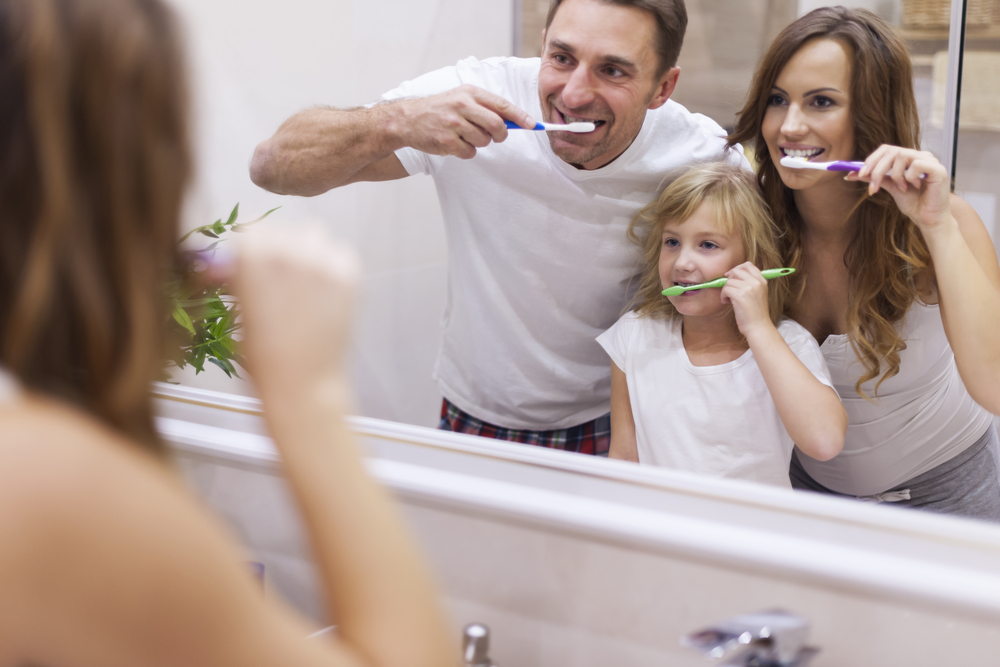
We know you have heard it what seems to be like a thousand times! The foundation of good oral health starts with regular brushing. Dentists recommend brushing your teeth at least twice a day, preferably in the morning and before bedtime. Use fluoride toothpaste and a soft-bristle toothbrush to remove plaque and food particles effectively. Make sure to brush for at least two minutes, covering all surfaces of your teeth.

Pro tip: Replace your toothbrush every three to four months or when the bristles start to fray to ensure optimal cleaning.

2. Don’t Forget to Floss

For many, their main focus is brushing their teeth; however, brushing alone isn’t enough to clean between your teeth and along the gumline. That’s where flossing comes in. Flossing helps remove plaque and food debris from areas your toothbrush can’t reach. Aim to floss at least once a day, preferably before bedtime. If you are unsure about the best flossing techniques, make sure to ask your dentist about the best way to floss!

Pro tip: If traditional floss is challenging for you to use, consider using floss picks or a water flosser for added convenience.

3. Use Mouthwash

Mouthwash can be a valuable addition to your oral hygiene routine. It can help reduce bacteria, fight bad breath, and strengthen your teeth. Choose an antibacterial mouthwash with fluoride for the best results, and use it as directed on the label. It’s important to remember that not all mouthwashes are beneficial. Some can be extremely harmful to your oral health. Make sure to ask your dentist for some options of dentist-recommended mouthwashes that are safe to use.

Pro tip: Rinse with mouthwash after brushing and flossing for a refreshing and effective way to complete your oral care routine.

4. Maintain a Balanced Diet

Your diet plays a significant role in your oral health. Foods high in sugar and starches can contribute to tooth decay and gum disease. Opt for a balanced diet rich in fruits, vegetables, lean proteins, and whole grains. Limit your consumption of sugary snacks and beverages, as they can lead to cavities.

Pro tip: If you do indulge in sugary treats, try to consume them with your main meals rather than as snacks. This can help reduce their impact on your teeth.

5. Stay Hydrated with Water

Water is not only vital for your overall health but also for your oral health. Drinking water helps wash away food particles and bacteria, reducing the risk of cavities and bad breath. Aim to drink plenty of water throughout the day, especially after meals.

Pro tip: If you can, choose fluoridated water, as it can help strengthen your teeth and prevent tooth decay.

6. Chew Sugar-Free Gum

Chewing sugar-free gum, especially after meals, can stimulate saliva production, which helps neutralize acids and wash away food particles. Look for gum with xylitol, a sugar substitute known for its dental benefits.

Pro tip: Chewing gum is not a substitute for brushing and flossing but can be a helpful addition to your oral hygiene routine.

7. Avoid Tobacco Products

Smoking and using smokeless tobacco products can have severe consequences for your oral health. They can stain your teeth, cause gum disease, and increase the risk of oral cancer. Quitting tobacco is one of the best things you can do for your oral and overall health.

Pro tip: Seek support and resources to help you quit smoking or using tobacco products if you’re struggling to quit on your own.

8. Protect Your Teeth

If you play contact sports or grind your teeth at night, consider wearing a mouthguard to protect your teeth from injury and wear. Also, if you tend to grind your teeth (bruxism), talk to your dentist about a custom-made night guard to prevent damage.

Pro tip: A mouthguard can save you from painful dental emergencies and costly restorative procedures.

9. Visit Your Dentist Regularly

Regular dental check-ups are crucial for maintaining good oral health. Dentists can detect and address issues early before they become more severe and costly to treat. Aim for a dental check-up every six months or as recommended by your dentist.

Pro tip: If you’re nervous about dental visits, communicate your concerns with your dentist. They can help make the experience more comfortable for you.

Practice Good Oral Hygiene Habits at Home

In addition to brushing and flossing, there are several other oral hygiene habits you can incorporate into your daily routine:

  • Tongue cleaning: Use a tongue scraper or your toothbrush to gently clean your tongue, which can help reduce bad breath.
  • Limit acidic foods and drinks: Acidic substances can erode tooth enamel. If you consume them, rinse your mouth with water afterward.
  • Avoid excessive teeth-whitening products: Overusing whitening products can damage your enamel. Use them sparingly and consult your dentist for guidance.
  • Clean your toothbrush: Rinse your toothbrush thoroughly after each use, and store it in an upright position to allow it to air dry.

Sheehan Dental: Helping Protect and Improve Your Smile

Did you know that your teeth and gums not only play an essential role in oral health but also in the health of your entire body? Keeping up with your oral hygiene is extremely important, and while it may seem like a lot to do on your own, Sheehan Dental is always here to guide you through the process, both in the clinic and outside of it. In addition to your regular check-ups and dental treatments, we are always available to answer any questions and address any concerns that you may have. If you are searching for a trustworthy and dependable dental clinic in Palos Park, IL, or the surrounding Chicagoland area, look no further than Sheehan Dental. Schedule an appointment today.

The Importance of Regular Dental Checkups: Why You Shouldn’t Skip Your Appointments

Your oral health is extremely important, and taking care of it is crucial for maintaining a gorgeous smile and overall well-being. While keeping up with a regular dental routine at home, such as brushing, flossing, and using a dentist-recommended mouthwash, is needed, those alone are insufficient to ensure optimal dental health. Regular dental checkups are a vital element of a comprehensive oral hygiene routine. Yet, so many people neglect or overlook these appointments, sticking to their routine at home. Let’s examine the importance of regular dental checkups and why you should never skip them.

Early Detection of Dental Issues

Let’s face it; we can see only so many things when looking in the mirror at our teeth and gums. One of the primary reasons dental checkups are essential is that they allow a professional to detect all types of dental issues early. Even if you are outstanding at sticking to your dental hygiene routine at home, specific problems can go unnoticed without an examination from a dental professional. Dentists are specifically trained to identify signs of the following:

  • Gum disease
  • Tooth decay
  • Oral cancer
  • Among other dental conditions

By keeping up with regular dental checkups, your dentist and dental team will identify and address any issues before they worsen. Early detection means future interventions can be less invasive, less expensive, and more effective. You don’t want to leave dental issues to chance, so prevention is always better than finding a cure.

Thorough Cleaning and Plaque Removal

We know that brushing and flossing can remove plaque and harmful bacteria from the teeth and gums. However, no matter how much you do it, certain areas in your mouth are difficult to reach with these regular oral hygiene practices. A sticky film of bacteria, called plaque, accumulates in these hard-to-reach places. Without its removal, it can lead to tooth decay and gum disease.

During your regularly scheduled dental checkup, your dentist or dental hygienist will perform a professional cleaning to remove any buildup of tartar and plaque. This detailed cleaning will prevent cavities and gum disease and allow you to avoid stinky breath, and lead to a cleaner, brighter smile. It will essentially hit a reset button on your oral health, ensuring that your teeth and gums are well protected against harmful bacteria.

Personalized Oral Care Advice

The condition of each individual’s oral health is unique and has very specific needs and challenges. During your regular dental checkup, your dentist will evaluate your particular oral health and provide personalized advice and recommendations. Your dentist will identify specific areas where you may be lacking in your oral hygiene routine. Based on their assessment, they will suggest different areas you can improve.

Your dental team may recommend specific toothbrushes, toothpaste, and mouthwashes, among other oral care products best suited for your needs. Additionally, your dentist will address any concerns or questions about your oral health. They can guide you on issues such as teeth grinding, bad breath, teeth sensitivity, etc. By following their expert advice, you can make informed decisions about your oral care routine and maintain a healthy smile.

Monitoring Your Overall Health

It’s crucial to remember that your oral health is closely connected to the overall health of your body. Regular dental checkups provide insights into your general well-being. Various systemic diseases and conditions, such as diabetes and vitamin deficiencies, will manifest symptoms in the mouth.

By visiting your dentist for a dental checkup, your dentist will be able to detect signs of these underlying health problems. For instance, gum disease has the potential to indicate diabetes, while certain oral lesions can be early signs of oral cancer. Regularly visiting your dental clinic increases the chances of identifying very serious conditions in their early stages, allowing you to plan for timely intervention and treatment.

Building a Trusting Relationship with Your Dentist

With your oral health being so important, having a great relationship with your dentist is essential. Regular dental checkups give you the opportunity to build a trusting relationship with your dental team. When you visit the same dentist consistently, they become familiar with your oral health history, making it easier for them to track any changes or developments over time. This familiarity fosters better communication, understanding, and personalized care.

As an added bonus, you will overcome any anxiety or fear that comes with going to the dental clinic. Let’s face it, for many, going to the dentist isn’t everyone’s cup of tea. Regular dental checkups become routine and less intimidating, especially when you establish a connection with your dentist and their team. A positive dental experience will lead to better oral health habits and encourage you to prioritize your dental appointments.

What Can You Expect From a Dental Checkup?

  1. Examination: Your dentist will closely inspect your mouth, teeth, and gums to identify any signs of abnormalities or dental issues.
  2. Cleaning: A dental hygienist or dentist will perform a professional cleaning of your teeth. This involves removing plaque and tartar buildup, polishing the teeth, and flossing to ensure thorough cleanliness.
  3. Gum examination: Your dentist will check the condition of your gums, looking for signs of gum disease or inflammation.
  4. Bite and jaw evaluation: Your dentist may assess your bite (occlusion) and jaw alignment. They will check for issues like misaligned teeth, overbite, underbite, or jaw problems.
  5. Discussion and recommendations: After your examination is complete, your dentist will discuss the results of it. They will share any concerns they may have while recommending the best course of action to improve your oral health.

Palos Park Dentist for the Entire Family

Your oral health goes far beyond a bright smile! Keeping up with clean teeth and gums starts with regular visits to your dentist! At Sheehan Dental, the health and safety of our patients are our top priority. We provide services for the entire family, ensuring that the smallest to the biggest smiles are always protected. If you are looking for a dependable dentist in Palos Park or the surrounding Chicagoland area, then schedule a dental checkup with us today.

The Connection Between Oral Health and Overall Health: What You Need to Know

Good oral hygiene is about more than just having a sparkling smile. While many associates keeping up with your oral hygiene is just keeping a bright smile, there is so much more to it. Research has shown a strong connection between oral health and overall health. So taking care of your teeth and gums not only helps you maintain a beautiful and confident smile, but it can also positively impact your overall well-being. In this blog post, we are going to explore the fascinating link between oral health and overall health and why it’s crucial to prioritize dental care.

The Connection Between Oral and Overall Health

The Connection Between Oral and Overall Health

Recognizing that the mouth is not an isolated entity within the body is crucial. The teeth and gums are intricately connected to overall health in various parts of the body. Numerous studies have found compelling evidence that links poor oral health to systemic health conditions. Here are some of the links between the two.

Heart Disease and Stroke

Studies have demonstrated a correlation between gum disease, also known as periodontitis, and increased heart disease and stroke risk. This is because the bacteria present in gum infections can enter the bloodstream, forming plaques in the arteries, a condition known as atherosclerosis. These plaques can restrict blood flow and potentially cause heart attacks or strokes.

Diabetes

People with diabetes are more prone to gum disease due to impaired immune function. Gum disease can make it harder for individuals with diabetes to control their blood sugar levels. The relationship between the two conditions is bidirectional, making it crucial for people with diabetes to maintain excellent oral hygiene.

Respiratory Infections

Oral health plays a role in respiratory health as well. Bacteria from gum disease can be inhaled into the lungs, increasing the risk of respiratory infections such as pneumonia and exacerbating conditions like chronic obstructive pulmonary disease (COPD).

Pregnancy Complications

Poor oral health has been linked to complications during pregnancy, including premature birth and low birth weight. In addition, hormonal changes during pregnancy can affect the gums, leading to an increased risk of gum disease. Expectant mothers need to prioritize their oral health to safeguard their well-being and that of their babies.

Maintaining Oral Health for Overall Well-being

Now that we understand the significance of oral health in relation to overall health let’s explore some essential steps you can take to maintain a healthy mouth and body:

  1. Brush and Floss Regularly:
  • Brush your teeth at least twice a day using a soft-bristled toothbrush and fluoride toothpaste.
  • Floss daily to remove plaque and food particles from between your teeth.
  • Ask your dentist about a dentist-recommended mouthwash for rinsing away excess debris.
  1. Adopt a Healthy Diet:
  • Limit sugary and acidic foods and drinks, which contribute to tooth decay.
  • To support your overall health, consume a balanced diet rich in fruits, vegetables, lean proteins, and whole grains.
  1. Avoid Tobacco and Alcohol 
  • Smoking and using tobacco products increase the risk of gum disease and oral cancer.
  • Excessive alcohol consumption can also have detrimental effects on oral health.

Why is Visiting Your Family Dentist Just as Important as Visiting Your Family Doctor?

Why is Visiting Your Family Dentist Just as Important as Visiting Your Family Doctor?

When it comes to prioritizing our health, we often think of scheduling regular visits to our family doctor for check-ups and preventive care. However, an aspect that is often overlooked is the importance of visiting your family dentist with the same level of commitment and regularity. Dental health is a crucial component of overall well-being, and in this blog post, we will explore why visiting your family dentist is just as important as visiting your family doctor.

Comprehensive Oral Health Care

While your family doctor focuses on monitoring and treating your general health, your family dentist specializes in oral health care. Dentists are trained to detect and prevent dental issues, diagnose oral diseases, and provide treatment options tailored to your specific needs. By visiting your family dentist regularly, you ensure that your oral health is given the attention it deserves.

Early Detection of Dental Issues

Regular dental check-ups enable early detection of dental problems. Your dentist can identify signs of tooth decay, gum disease, oral infections, and other oral health issues before they become more severe and painful. Detecting problems early allows for prompt intervention and treatment, potentially saving you from more extensive and costly procedures down the line.

Prevention and Education

Visiting your family dentist provides an opportunity for preventive care and education. Dentists and dental hygienists can thoroughly clean your teeth, removing plaque and tartar buildup that regular brushing and flossing may miss. Additionally, they can educate you about proper oral hygiene practices, offer advice on maintaining healthy teeth and gums, and provide dietary recommendations for optimal oral health.

Oral Cancer Detection

Oral cancer is a serious condition that can have devastating consequences if not detected early. During routine dental check-ups, your dentist examines your mouth, throat, and neck for signs of oral cancer. Early detection significantly improves the chances of successful treatment and recovery. Regular dental visits can, therefore, play a vital role in identifying oral cancer in its early stages.

Personalized Treatment Plans

Every individual has unique dental needs and concerns. By visiting your family dentist, you benefit from personalized treatment plans tailored to your specific oral health requirements. Your dentist will assess your oral health, discuss any concerns you may have, and develop a treatment strategy that suits your needs. This personalized approach ensures that you receive the most appropriate and effective dental care.

Stay Healthy, and Contact Sheehan Dental for all Your Dental Needs

Visiting your family dentist is just as important as visiting your family doctor. Regular dental check-ups, preventive care, early detection of issues, and personalized treatment plans are all crucial elements of maintaining optimal oral health. By prioritizing your dental well-being, you not only preserve your smile but also contribute to your overall health and quality of life. So, make sure to schedule a dental consultation with Sheehan Dental today!

What to Expect During Your Visit to Sheehan Dental in Palos Park

Sheehan Dental is more than pleased to offer dental services and assistance for every age group, from toddlers to adults; we are your one-stop dental shop in Palos Park. There are three things we take very seriously at Sheehan Dental, and that is the prevention of tooth-related problems, quick and easy fixes, and education of the importance of proper dental care. From the first visit to our dental clinic in Palos Park, you will feel right at home. 

It goes without saying that the dentist’s office is not everyone’s cup of tea, but we take a personal approach that helps every age of patient look at going to the dentist as something they should do more than something that they have to do.  Each member of the Sheehan Dental team is available to respond to any questions and inquiries while delivering the best dental services in Palos Park. We offer a variety of services to satisfy each member of your family’s needs, keep reading to see what you can expect during your visit to Sheehan Dental! 

Welcoming Environment

Going to the dentist can be scary, stressful, and unsettling, no matter the patient’s age, but being in a welcoming environment makes all the difference. At Sheehan, we provide a beautiful clinic setting in a wonderful location so that you can feel a bit at home during your treatment. 

During those times when tooth pain and problems are unbearable, you can be at ease knowing that you are in a place that truly represents how much care will be put into your treatment.

Trusted Dental Team 

As we mentioned before, a trip to the dentists isn’t exactly what you think as a fun day out of the house, but the important thing that we can do is make sure you and your family feel relaxed during your time with us, and that starts with our team. From the moment you arrive at the clinic, you will be welcomed by a friendly receptionist who will take down your info, and after you will be able to enjoy a cozy waiting area to make you feel comfortable. 

Our highly trained dentist, dentist assistance, and dental hygienists will walk you through what they will be doing, making sure to be extra sensitive should they be treating a younger patient and adjusting to their needs and limits. Comfortability is a priority for us, so during your visit should you require anything, just let your dentist know! 

Highly Trained Dentist 

Dr. Sheehan has been practicing in Palos Park since 2001 and has proven to be a well-trusted dentist with extensive experience over a wide range of dental services, such as Dental Crowns, Braces, Root Canals, and Regular Dental Checkups. Dr. Sheehan is also trained in new and innovative dental treatments such as Cosmetic DentistryDental Veneers, and Invisalign

At Sheehan Dental, we are always looking for better ways to provide services for each of our patients. So no matter your dental need, come into Sheehan Dental in Palos Park and see the magic from the best hands in Illinois! 

Family Friendly Dentistry

One of the biggest things that you can expect at Sheehan Dental is a family-friendly environment. We welcome and provide services for the little ones while taking extra care so that they will be left wanting to come back instead of hating another trip after their treatment. 

Do you know the best advantages of a family dentist? You can say goodbye to looking for multiple dentists to treat each of your kids and yourself. Our services, team, and dentist are trained in providing care and assistance for everyone.  

Personal Approach

We pride ourselves on the time each member of our team takes to get to know each of our clients to ensure that they feel at ease in and out of the clinic. At Sheehan Dental, we don’t treat you like just another patient, the moment you arrive, we guarantee nothing less than kindness, respect, and professionalism. We don’t just make good first impressions; we strive to continue impressing you during every visit. 

Contact Sheehan Dental Today

We hope that we gave you a clear representation of what exactly you can expect during a visit to Sheehan Dental. But don’t just take our word for it, if you are in need of dental services, do not hesitate to come and see the extra mile we go to ensure any dental issues that you may have are corrected immediately. 

You can also expect to have a team available to help you with anything you need even outside of the office; all you need to do is call! We are here for you through every step of the way; For any questions, appointments, or inquiries, contact us today