
Oral Health Tips – Best Practices for Healthy Teeth & Gums

Palos Park Dental Care Tips

5 Best Oral Health Practices for Healthy Teeth & Gums

From maintaining a healthy body to achieving a radiant smile, there are many important reasons to strive for healthy teeth and gums. If you want the confidence to smile without worry over the appearance of your teeth or wish that you had fresher breath or a reduced risk of gum disease, then the secret lies in taking better care of your teeth and gums. 

We’re going to cover five of the best oral health practices for healthy teeth and gums that’ll help you to prevent problems and enjoy a lifetime of better dental health.

You may be surprised by the amazing results that can come from simple changes to your daily habits and regular visits to the dentist!

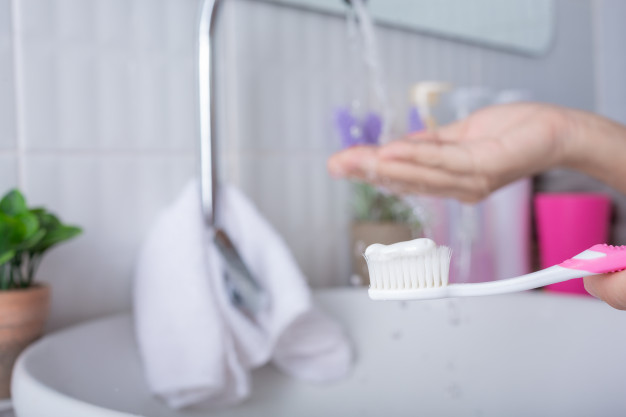
Become an Expert at Brushing Your Teeth 

Most people are aware that they need to brush their teeth twice a day (once in the morning and once in the evening) to maintain healthy teeth and gums. Yet, there’s more that you need to know to make this practice as beneficial as possible. 

Firstly, the toothpaste you use can have a big impact on the quality of your brushing.

Ideally, you should use fluoride toothpaste, which provides essential protection against tooth decay. This type of toothpaste will fight germs and strengthen enamel for a big boost in tooth defense. 

When it comes to brushing, be sure to use small, gentle strokes and clean the outer, inner and chewing surfaces of your teeth. You also need the correct size of toothbrush for your mouth, and preferably one with soft bristles. A toothbrush won’t last forever, you need to replace it every 3-4 months!

The more you learn about the correct way to brush your teeth, the more effective the twice-daily practice will be!

Clean the Entirety of Your Mouth 

Brushing only goes so far to help you maintain healthy teeth and gums. For the best care, you need to clean other areas of your mouth and areas that your toothbrush is unable to reach. This includes using your toothbrush to softly brush your tongue after brushing your teeth. Brushing your tongue will help to prevent plaque buildup and keep your breath smelling fresh.

Floss, mouthwash and sugar-free gum all have a role to play in keeping your mouth clean and healthy. You should rinse with mouthwash daily to reduce acid and prevent tooth decay. If you suffer from gum disease, a therapeutic mouthwash could be very beneficial in reducing it, as well as reducing tartar and plaque development. 

You should also floss your teeth daily to remove debris, reduce inflammation and lower the amount of plaque in the mouth. Chewing gum is another way to remove debris and it also increases saliva, which i neutralizes the acid in the mouth and gets rid of bacteria. 

Make Good Food and Drink Choices

Dental & Oral Health Tips - Dentists in Palos

The food you eat affects your overall health. One of the best practices for healthy teeth and gums is to be mindful of the damage that certain foods can do to your oral health and the benefits of others.  

Sugary foods are especially bad for your teeth, as they can lead to enamel erosion as the sugar breaks down in the mouth. To protect your teeth, it’s crucial to limit how much sugary food you eat and how frequently you eat snacks – eating snacks is more harmful to teeth than meals, as there’s not as much saliva to get rid of acid. Also be wary of acidic foods, which can cause similar damage to your teeth. 

Eating a balanced diet is important. If you lack certain nutrients in your diet you may be more prone to mouth infections and gum disease. Eating plenty of fruits, vegetables, whole grains, lean protein and low-fat dairy will help you to maintain good oral health. 

In addition to eating a balanced diet, drinking plenty of water is important to keep your teeth and gums healthy. Water will ensure that your mouth stays hydrated by contributing to saliva creation. More saliva means less risk of tooth decay and less food debris in the mouth, so your teeth stay healthy and your breath stays fresh.

Protect Your Teeth When Playing Sports

The best practices for healthy teeth and gums don’t all revolve around cleaning and eating habits at home, you also need to be mindful of your dental health when you’re playing sports or partaking in any activity where there’s a risk of tooth damage or loss.

The practice of protecting your teeth from impact damage when playing sports is as simple as buying a mouthguard and remembering to wear it.

You can buy mouthguards at sporting stores, or for more effective protection, talk to your dentist about getting a custom mouthguard. 

Visit Sheehan Dental for Regular Dental Checkups

Last but by no means least: you need to visit your dentist twice a year for healthy teeth and gums! Your dentist has a wealth of knowledge about the best practices for healthy teeth and gums, all you need to do is ask.

Visiting your dentist every six months will ensure that you’re getting the advice and treatments you require to keep your mouth in the best condition. There are many ways your dentist can help you, including regular dental cleanings to remove stubborn plaque and tartar, and examinations to identify the signs of gum disease and oral cancer as soon as possible. 

You can talk to your dentist about restorative treatment to improve your bite and speech, cosmetic treatment to give you a dazzling smile or advice on brushing your teeth in the most effective manner – you can avoid most problems with expert dental care!

By taking the time to look after your teeth and gums properly, you can achieve a smile to be proud of and ensure that problems are identified and treated quickly to minimize their impact on your life. It’s time to take your dental health seriously, by reaching out to the expert dental team at Sheehan Dental today.
Ways Oral Health is Linked to Mental Health

Many people don’t consider the health of their teeth and how it impacts how they feel, but there actually exists a very close relationship between mental health and oral health. Each is linked to the other in a remarkable number of ways, creating a circle that can lead to worsening mental health and declining oral health without intervention.

While the full relationship between mental health and oral health is only just being explored, there have already been a number of direct links established between the health of the mind and how it can affect the body.

Good mental health is important for good oral health, and the same is also very true in reverse.

The Impact of Poor Mental Health on Oral Health

When you take a closer look at some mental illnesses, it’s very easy to see how they may affect the health of a person’s mouth, teeth and gums. While not all mental illnesses can lead to poor oral health, many habits and behaviors associated with certain mental illnesses are not conducive to good oral health.

Here’s how some mental illnesses are linked to poor oral health:

  • Eating Disorders – Disorders like anorexia, bulimia and purging can cause significant damage to oral health. Restricting food can lead to deficiencies in certain nutrients, which can cause problems like gum disease, tooth decay, sores, bad breath, bleeding and dryness. Regular vomiting can also result in tooth decay, while purging can cause the mouth to become very sore.
  • Substance Use Disorder – Smoking and the regular consumption of alcohol and caffeine can damage the teeth, leading to problems that include tooth decay, gum disease, and mouth sores. Some caffeinated drinks can cause bad breath and enamel erosion, and smoking can result in tooth staining.
  • Dental Anxiety/Phobia – A fear of the dentist can prevent individuals from getting the dental treatment they need. Not visiting a dentist in Palos Park IL regularly, can leave problems unchecked, potentially resulting in the development of more serious dental conditions.
  • Depression – Depression can cause individuals to lose interest in maintaining good oral health. They may become neglectful in dental care, resulting in the development of problems like gum disease. Depression may also result in a higher than average consumption of alcohol and caffeine.
  • Schizophrenia – Like depression, schizophrenia can cause individuals to be become neglectful in maintaining their oral health. It’s very common for patients with schizophrenia to have serious dental conditions, like cavities, dry mouth, and gum disease.
  • Dementia – Dementia can cause patients to forget whether they’ve brushed or flossed their teeth, increasing their risk of tooth decay and other problems.
  • Bipolar Disorder – Patients with bipolar disorder may be too forceful with their dental care routine, affecting tooth enamel and gum health and causing lacerations. Depressive mood swings could also result in neglectful dental care.
  • Obsessive Compulsive Disorder – Similar to bipolar disorder, individuals with obsessive compulsive disorder may brush with too much force or too frequently, resulting in damage to their teeth and gums.
  • Medication – While not strictly a mental illness, some medications that are prescribed to treat mental health illnesses can affect oral health. Dry mouth is a common problem associated with some medications, while some mood stabilizers can increase the risk of a patient developing infections.

The Impact of Poor Oral Health on Mental Health

In a similar way to how poor mental health can result in actions that affect oral health, poor oral health can cause negative feelings that affect mental health.

Not brushing and flossing regularly, not visiting the dentist for routine checkups and not looking after your oral health overall can cause a number of problems, including but not limited to:

  • Bad Breath
  • Tooth Discoloration
  • Difficulty Speaking
  • Misalignment
  • Tooth Loss
  • Headaches (caused by crooked teeth)

These common oral problems can affect how a person thinks about themselves and how others react in their presence. Bad breath, for example, can cause a person to be unwilling to speak or eat in public places, be fearful of laughing or opening their mouth, and avoid conversations – harming their social and work life. Discolored, misaligned, or missing teeth can have a similar impact.

Living with these problems can damage self-esteem, affect confidence, reduce happiness, and make it very difficult to feel good in oneself. In the long-term, unhappiness with tooth appearance or speaking capabilities could lead to an individual missing out on career opportunities or withdrawing from their friends and family, potentially causing mental health to worsen.

Improving Mental Health with Good Oral Health

Good oral health can have the opposite impact on mental health. When you feel good about your appearance, are comfortable smiling and laughing in public, and aren’t afraid to be social, it can lead to greater levels of confidence, a boost in self-esteem, and a much happier mindset. Smiling can also make your face look more youthful, further improving confidence in the way you look and feel.

Just as poor oral health is linked to poor mental health, it’s also linked to poor health overall. With a healthy smile, there’s less chance of diabetes, strokes, Alzheimer’s disease, cancer and heart attacks. Good oral health is essential for a healthy mind and a healthy body!

Stress-Free Oral Health Treatment in Palos Park IL

The first step towards improving your oral health and feeling better about your smile is taking advantage of the incredible Palos Park IL dental care facilities.

At Sheehan Dental, we understand that visiting the dentist can be a stressful experience, especially if it’s been a while since you last had a checkup. To make sure that the experience is as stress-free as it can be, we provide our patients with a relaxing environment where they can truly feel at ease.

With our extensive range of dental treatments – that include everything from dental implants and veneers to tooth whitening – we can help you to stay on top of your oral health and feel confident in your smile once more.

For advice and guidance on improving your smile and oral health, get in touch with Sheehan Dental in Palos Park, IL today.