The Link Between Diet and Dental Health: Foods That Strengthen Your Teeth

When it comes to maintaining good oral health, most people think about regular brushing, flossing, and routine dentist visits. While these practices are essential, one aspect often overlooked is the significant impact of diet on dental health. What you eat can profoundly influence the strength and health of your teeth. Keep reading because we are going to explore the link between diet and dental health, and we’ll discuss some foods that can strengthen your teeth.

The Basics of Dental Health

Before delving into the specifics of foods that promote dental health, it’s important to understand the basics of oral hygiene and how teeth function. Teeth are complex structures of enamel, dentin, pulp, and cementum. Enamel, the outermost layer of the tooth, is the hardest tissue in the human body.

However, it can still be vulnerable to decay and damage, especially when exposed to acidic substances and bacteria. To maintain strong and healthy teeth, it’s crucial to:

  • Brush and Floss Regularly: Brushing and flossing help remove plaque and food particles from the surface of your teeth, reducing the risk of tooth decay and gum disease.
  • Visit Your Dentist: Regular dental check-ups are essential for identifying and addressing oral health issues early on.
  • Maintain a Balanced Diet: The foods you eat play a significant role in the overall health of your teeth and gums.

The Impact of Diet on Dental Health

The food and drinks you consume can either support or harm your oral health. Diets high in sugar and acidity can contribute to tooth decay and enamel erosion, leading to cavities and other dental problems. On the other hand, a diet rich in nutrients that promote strong teeth and healthy gums can help prevent these issues.

Foods That Strengthen Your Teeth

Here are some foods that can help strengthen your teeth and promote good oral health:

Dairy Products

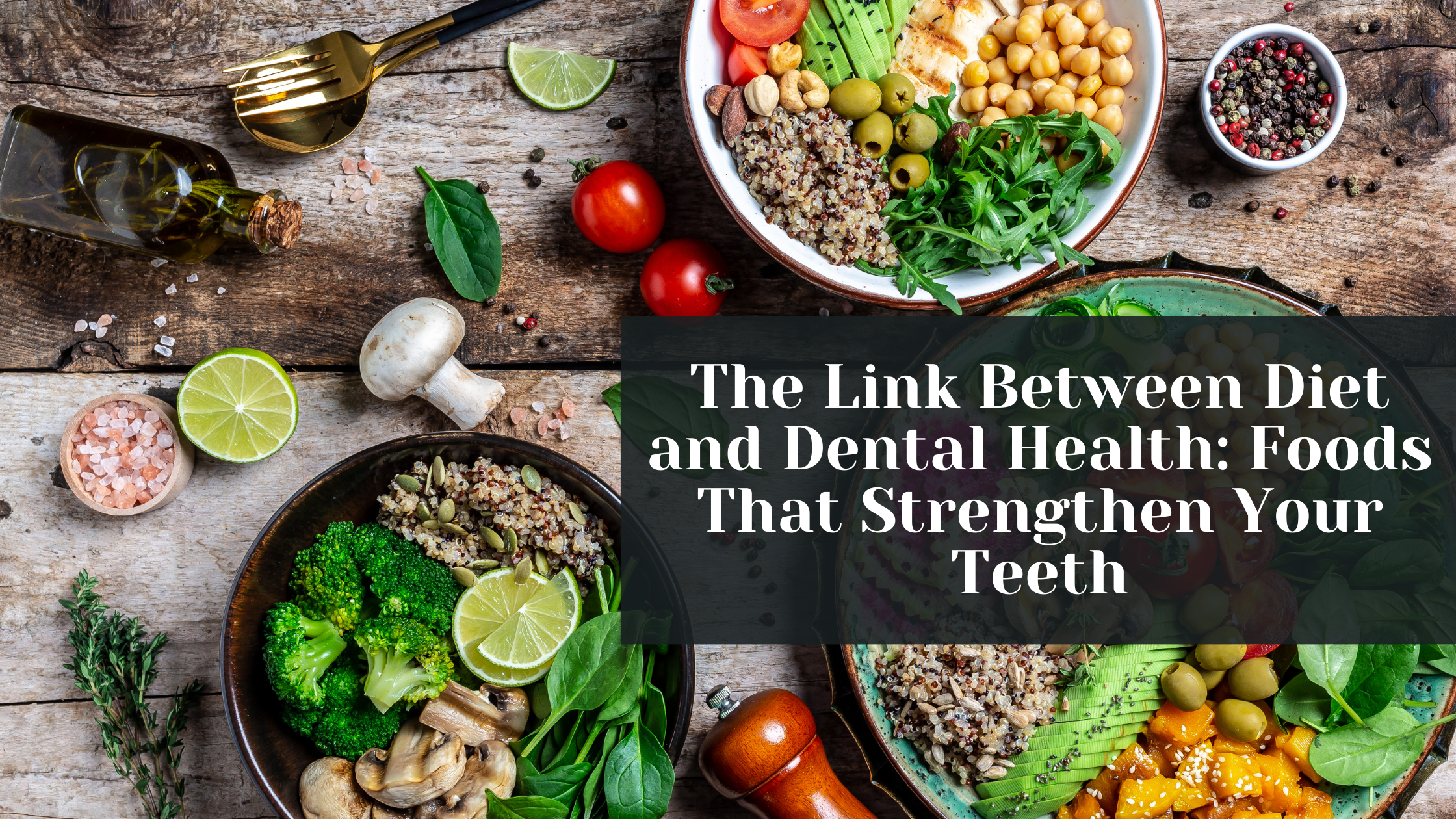
Dairy products like milk, cheese, and yogurt are excellent sources of calcium and phosphorus, which are crucial for building and maintaining strong teeth. Calcium is the primary mineral component of teeth and bones, and phosphorus plays a key role in strengthening tooth enamel. Additionally, dairy products contain casein, a protein that can help prevent cavities by forming a protective layer over the teeth.

Leafy Greens

Leafy green vegetables such as kale, spinach, and collard greens are rich in vitamins and minerals, including calcium and folic acid. These nutrients are essential for maintaining healthy teeth and gums. Folic acid, in particular, has been linked to reducing gum inflammation and supporting overall oral health.

Crunchy Fruits and Vegetables

Fruits and vegetables like apples, carrots, and celery have a natural abrasiveness that can help clean your teeth as you eat them. Chewing on these foods stimulates saliva production, which helps neutralize acids and prevent plaque buildup. Additionally, these foods are rich in vitamins and fiber, which are beneficial for your overall health.

Nuts and Seeds

Nuts and seeds, such as almonds, cashews, and sesame seeds, are packed with essential minerals like calcium and phosphorus. Chewing on these foods can also help stimulate saliva production and reduce the risk of tooth decay. Just be mindful of portion sizes, as these foods are calorie-dense.

Fish

Fatty fish like salmon and mackerel are excellent sources of vitamin D, which is necessary for the absorption of calcium. Vitamin D helps ensure that your body can effectively use the calcium you consume to strengthen your teeth and bones.

Lean Proteins

Lean proteins like chicken, turkey, and lean cuts of beef contain high levels of phosphorus, which, as mentioned earlier, is essential for maintaining tooth enamel. These proteins are also low in sugar and carbohydrates, reducing the risk of feeding harmful oral bacteria.

Water

Staying hydrated is crucial for oral health. Water helps wash away food particles, bacteria, and acids that can contribute to tooth decay and gum disease. Many communities add fluoride to their water supply, which can further strengthen teeth and reduce the risk of cavities.

Foods to Limit or Avoid

In addition to incorporating tooth-strengthening foods into your diet, it’s essential to be aware of foods and beverages that can have a negative impact on your dental health. These items include:

  • Sugary Snacks and Beverages: Candy, soda, and other sugary treats can promote the growth of harmful bacteria in your mouth and lead to tooth decay.
  • Acidic Foods and Drinks: Citrus fruits, tomatoes, and acidic beverages like orange juice and soft drinks can erode tooth enamel over time. If you consume these items, be sure to rinse your mouth with water afterward.
  • Starchy Foods: Foods high in refined carbohydrates, like white bread and potato chips, can break down into sugars and contribute to tooth decay.
  • Alcohol and Tobacco: Alcohol can dry out your mouth, reducing saliva production and increasing the risk of cavities. Tobacco use, whether smoking or chewing, is associated with a higher risk of gum disease and oral cancer.

Practical Tips for a Tooth-Healthy Diet

Now that you know which foods to include and which to limit in your diet for better dental health, here are some practical tips to help you maintain a tooth-healthy diet:

  1. Balanced Meals: Strive for a well-balanced diet that includes a variety of foods from different food groups. This will ensure you get a wide range of nutrients that support your oral health.
  2. Moderation: While some foods are better for your teeth than others, it’s not always necessary to completely eliminate less healthy options. Enjoy sugary or acidic treats in moderation and be sure to practice good oral hygiene afterward.
  3. Hydration: Drink plenty of water throughout the day. Water helps rinse away food particles and acids, promoting a healthy oral environment.
  4. Snack Smart: If you need a snack between meals, choose tooth-friendly options like nuts, fruits, or vegetables.
  5. Avoid Grazing: Limit the number of times you eat during the day. Frequent snacking can expose your teeth to acids and sugars more often.
  6. Chew Sugar-Free Gum: Chewing sugar-free gum can stimulate saliva production, which helps protect your teeth. Look for gum with xylitol, a sugar substitute that can inhibit the growth of cavity-causing bacteria.

Stay Up to Date with All of The Latest Dental Trends with Sheehan Dental

Whether it’s in the clinic or outside of it, we here at Sheehan Dental are dedicated to ensuring that your smile stays happy and healthy. Whether it’s advising you on the foods to avoid or ensuring that everything is alright during your check-ups, you can always rely on our team of dental professionals. Schedule an appointment today.
How to Improve Your Oral Health: Tips for a Healthier Smile

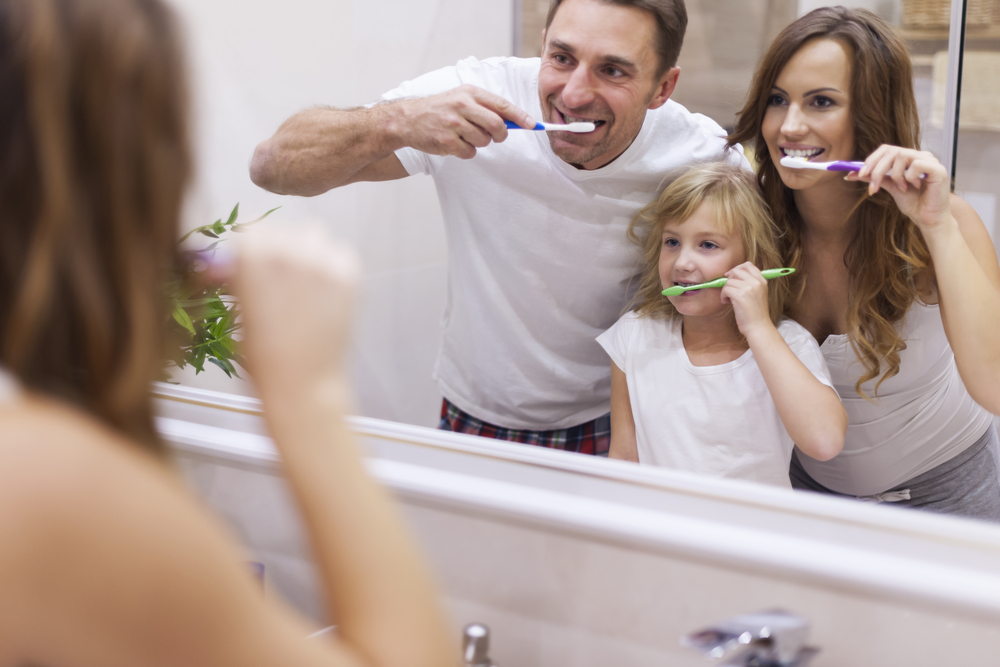
Maintaining good oral health is not just about having a glowing smile; it’s also essential for your overall well-being. Poor oral hygiene can lead to a host of dental problems, including cavities, gum disease, and even systemic health issues. But fear not! With some simple yet effective tips and habits, you can improve your oral health and enjoy a brighter, healthier smile. Your teeth and gums are extremely important, so keep reading to discover the various ways you can improve your oral health and keep a healthy smile.

1. Brush Your Teeth Regularly

We know you have heard it what seems to be like a thousand times! The foundation of good oral health starts with regular brushing. Dentists recommend brushing your teeth at least twice a day, preferably in the morning and before bedtime. Use fluoride toothpaste and a soft-bristle toothbrush to remove plaque and food particles effectively. Make sure to brush for at least two minutes, covering all surfaces of your teeth.

Pro tip: Replace your toothbrush every three to four months or when the bristles start to fray to ensure optimal cleaning.

2. Don’t Forget to Floss

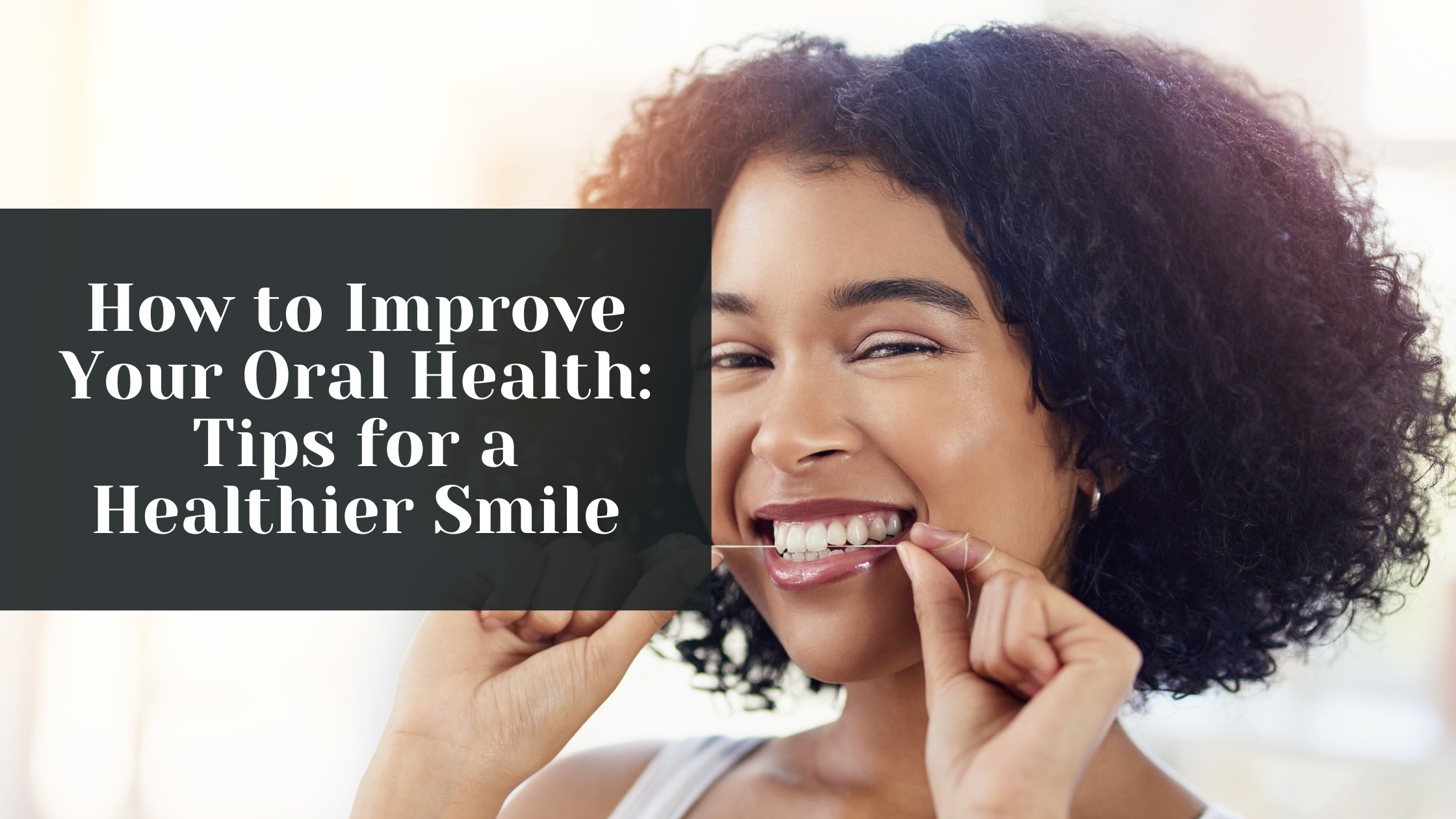
For many, their main focus is brushing their teeth; however, brushing alone isn’t enough to clean between your teeth and along the gumline. That’s where flossing comes in. Flossing helps remove plaque and food debris from areas your toothbrush can’t reach. Aim to floss at least once a day, preferably before bedtime. If you are unsure about the best flossing techniques, make sure to ask your dentist about the best way to floss!

Pro tip: If traditional floss is challenging for you to use, consider using floss picks or a water flosser for added convenience.

3. Use Mouthwash

Mouthwash can be a valuable addition to your oral hygiene routine. It can help reduce bacteria, fight bad breath, and strengthen your teeth. Choose an antibacterial mouthwash with fluoride for the best results, and use it as directed on the label. It’s important to remember that not all mouthwashes are beneficial. Some can be extremely harmful to your oral health. Make sure to ask your dentist for some options of dentist-recommended mouthwashes that are safe to use.

Pro tip: Rinse with mouthwash after brushing and flossing for a refreshing and effective way to complete your oral care routine.

4. Maintain a Balanced Diet

Your diet plays a significant role in your oral health. Foods high in sugar and starches can contribute to tooth decay and gum disease. Opt for a balanced diet rich in fruits, vegetables, lean proteins, and whole grains. Limit your consumption of sugary snacks and beverages, as they can lead to cavities.

Pro tip: If you do indulge in sugary treats, try to consume them with your main meals rather than as snacks. This can help reduce their impact on your teeth.

5. Stay Hydrated with Water

Water is not only vital for your overall health but also for your oral health. Drinking water helps wash away food particles and bacteria, reducing the risk of cavities and bad breath. Aim to drink plenty of water throughout the day, especially after meals.

Pro tip: If you can, choose fluoridated water, as it can help strengthen your teeth and prevent tooth decay.

6. Chew Sugar-Free Gum

Chewing sugar-free gum, especially after meals, can stimulate saliva production, which helps neutralize acids and wash away food particles. Look for gum with xylitol, a sugar substitute known for its dental benefits.

Pro tip: Chewing gum is not a substitute for brushing and flossing but can be a helpful addition to your oral hygiene routine.

7. Avoid Tobacco Products

Smoking and using smokeless tobacco products can have severe consequences for your oral health. They can stain your teeth, cause gum disease, and increase the risk of oral cancer. Quitting tobacco is one of the best things you can do for your oral and overall health.

Pro tip: Seek support and resources to help you quit smoking or using tobacco products if you’re struggling to quit on your own.

8. Protect Your Teeth

If you play contact sports or grind your teeth at night, consider wearing a mouthguard to protect your teeth from injury and wear. Also, if you tend to grind your teeth (bruxism), talk to your dentist about a custom-made night guard to prevent damage.

Pro tip: A mouthguard can save you from painful dental emergencies and costly restorative procedures.

9. Visit Your Dentist Regularly

Regular dental check-ups are crucial for maintaining good oral health. Dentists can detect and address issues early before they become more severe and costly to treat. Aim for a dental check-up every six months or as recommended by your dentist.

Pro tip: If you’re nervous about dental visits, communicate your concerns with your dentist. They can help make the experience more comfortable for you.

Practice Good Oral Hygiene Habits at Home

In addition to brushing and flossing, there are several other oral hygiene habits you can incorporate into your daily routine:

  • Tongue cleaning: Use a tongue scraper or your toothbrush to gently clean your tongue, which can help reduce bad breath.
  • Limit acidic foods and drinks: Acidic substances can erode tooth enamel. If you consume them, rinse your mouth with water afterward.
  • Avoid excessive teeth-whitening products: Overusing whitening products can damage your enamel. Use them sparingly and consult your dentist for guidance.
  • Clean your toothbrush: Rinse your toothbrush thoroughly after each use, and store it in an upright position to allow it to air dry.

Sheehan Dental: Helping Protect and Improve Your Smile

Did you know that your teeth and gums not only play an essential role in oral health but also in the health of your entire body? Keeping up with your oral hygiene is extremely important, and while it may seem like a lot to do on your own, Sheehan Dental is always here to guide you through the process, both in the clinic and outside of it. In addition to your regular check-ups and dental treatments, we are always available to answer any questions and address any concerns that you may have. If you are searching for a trustworthy and dependable dental clinic in Palos Park, IL, or the surrounding Chicagoland area, look no further than Sheehan Dental. Schedule an appointment today.

Dental Emergencies: What to Do When You Have an Urgent Issue

We often assume that dental emergencies will never happen to us, but when you face such a situation, do you have everything you need to be prepared? Problems affecting your oral health can significantly impact your overall well-being and comfort. Therefore, knowing who to call and where to get help is crucial in a dental emergency.

Dental emergencies can undoubtedly be distressing and extremely overwhelming. Whether a tooth has just been knocked-out or you are in urgent need of tooth extraction. This is why Sheehan Dental is dedicated to providing emergency dental services for anyone in Palos Park, IL. Our primary goal is to ensure that everyone receives the utmost comfort and care during this stressful and unforeseen dental problem. Do not hesitate to reach out to us immediately should an issue arise.

What Qualifies as a Dental Emergency?

If you ever experience severe facial trauma and have concerns about getting immediate care, it’s crucial to stay calm. You may be wondering what is considered a dental emergency and what can’t wait for an appointment the next day. Fortunately, our comprehensive dental clinic is just a phone call away, ready to assist you during critical situations. Your dental condition may be deemed an emergency if you experience the following:

  1. Intense, unrelenting pain
  2. Bleeding from the mouth
  3. Tooth loss due to injury
  4. Loose teeth that make eating difficult
  5. An ongoing infection

If you require dental treatment to stop bleeding, alleviate severe pain, or prevent you from losing teeth, these situations are classified as dental emergencies. Should you ever be unsure about whether or not your issue is an emergency, don’t hesitate to contact our clinic. Our dedicated dental professionals are readily available to address any questions or concerns that you might have.

What Should You Do When You Have A Dental Emergency?

Dental emergencies are both painful and distressing. Whether you chip a tooth while eating, have a sudden severe toothache, or have a dental injury due to an accident, you need to know how to handle a dental emergency should it unfortunately occur. Here are some things that you should know:

Assess the Situation and Stay Calm

The first and most crucial part of handling any dental emergency is to first stay calm and assess the situation. Try to grasp how severe the issue is to determine whether you need immediate attention or if it can wait until regular office hours. Here are a few of the most common dental emergencies and how to assess them:

  1. Toothache –  Start by rinsing your mouth with warm water to remove any debris. Floss gently to ensure nothing is stuck between your teeth that might be causing the pain. If the pain persists, schedule an appointment with your dentist.
  2. Chipped or Broken Tooth – If you chip or break a tooth, rinse your mouth gently with warm water to clean the area. If there’s bleeding, apply a piece of gauze to the affected area with gentle pressure. Save any broken pieces of the tooth and rinse them, then contact your dentist immediately.
  3. Knocked-Out Tooth – A knocked-out tooth is a time-sensitive emergency. Pick up the knocked-out tooth by the crown (top of the tooth) and avoid touching the root as much as possible. Rinse it gently with water if it is dirty but do not scrub it. Suppose you can try to reinsert the tooth back into the socket, holding it in place with clean gauze. In some cases, that may not work, so if it doesn’t, store the tooth in a container of milk and head to the dentist immediately.
  4. Loose or Displaced Tooth –  If a tooth is loose or out of its normal position, attempt to gently reposition it using very light finger pressure. Do not force it.
  5. Lost Filling or Crown – A lost filling or crown can be extremely uncomfortable as it may expose sensitive tissue. While not usually an immediate emergency, it should be addressed soon to prevent further damage or pain.

Contact Your Dentist

Once you have completely assessed the situation, it is critical that you get in touch with your dentist. Explain the issue to them and follow their expert guidance on the next steps to take. At Sheehan Dental, we have emergency slots available for our patients allowing you to receive prompt attention. We offer reliable emergency services no matter when they arise. If something comes up, make sure that you contact us right away.

Manage Pain and Discomfort

If you are experiencing a dental emergency, there are a few things that you can try to manage pain and discomfort:

  • Over-the-counter pain relievers: Take OTC pain medication following the recommended dosage to alleviate pain. Avoid placing aspirin directly on the tooth or gum, as it can cause irritation.
  • Saltwater rinse: Rinse your mouth gently with warm salt water (about 1/2 teaspoon of salt in 8 ounces of water) to reduce inflammation and cleanse the area.
  • Cold compress: Apply a cold compress to the outside of your cheek if you have swelling or pain.
  • Avoid certain foods: Steer clear of hot, cold, or hard foods that can worsen the pain or damage your teeth further.

Preventative Measures

Dental emergencies can be distressing, but you can take steps to minimize the risk of experiencing one in the future:

  • Maintain good oral hygiene: Brush and floss regularly to keep your teeth and gums healthy.
  • Wear a mouthguard: If you participate in sports or grind your teeth at night, consider wearing a mouthguard to protect your teeth from injury.
  • Avoid chewing on hard objects: Don’t use your teeth to open packages or chew on ice or hard candies.
  • Regular dental check-ups: Visit your dentist for regular check-ups and cleanings to catch and address issues before they become emergencies.

Experiencing a Dental Emergency in Palos Park, IL? Contact Sheehan Dental

Dental emergencies are no joke! If you feel as though you need immediate dental attention, do not hesitate to contact us here at Sheehan Dental. We will make sure that you get immediate attention. We are dedicated to ensuring that you don’t have to continue to live in pain until your next scheduled appointment. Time is of the essence; contact us immediately.

Pediatric Dentistry: Caring for Your Child’s Teeth and Building Healthy Habits

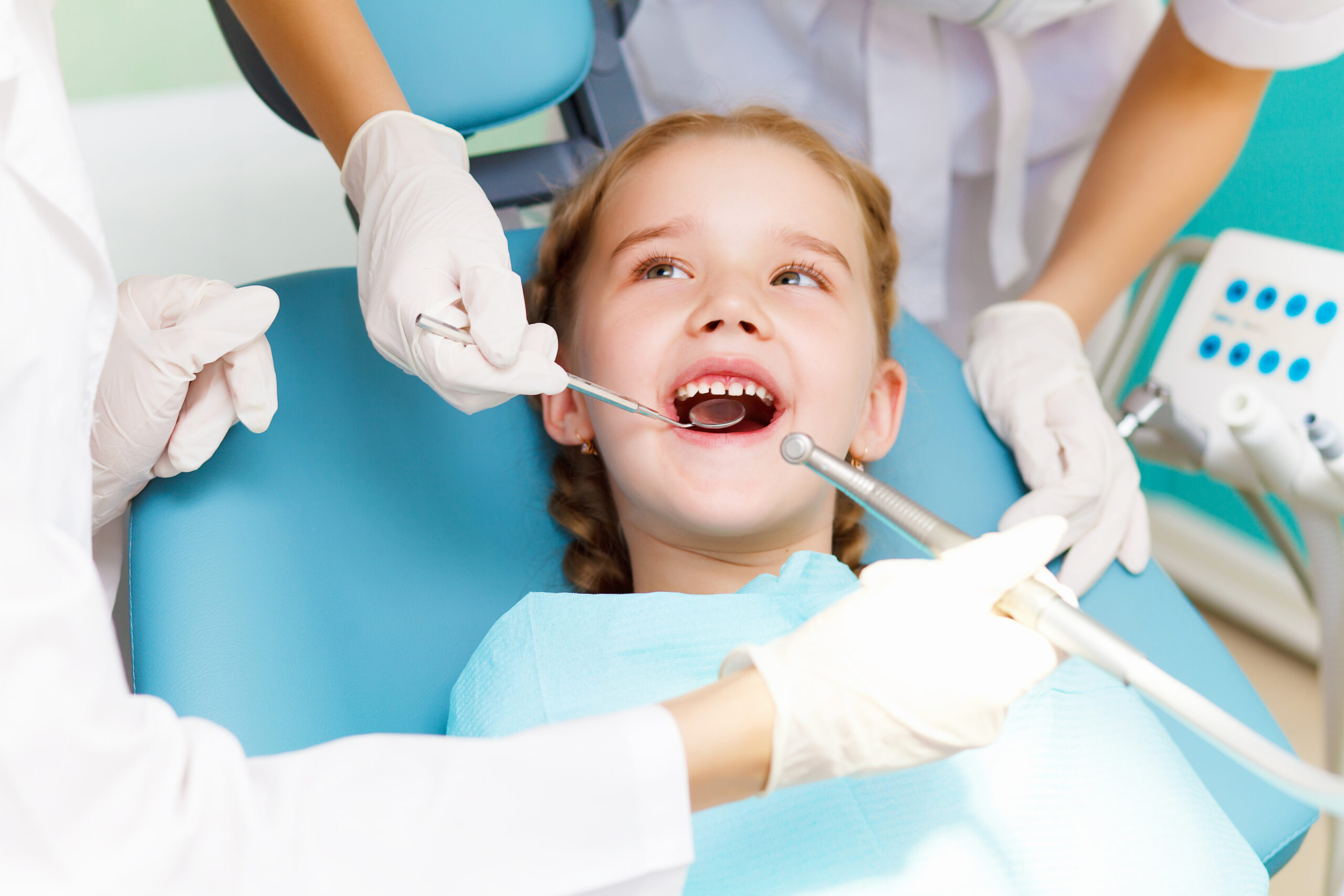
Children are the future, and their dental health is crucial to their overall well-being. As parents, caregivers, or guardians, we must ensure that we keep up with good oral hygiene habits in our little ones from an early age. Pediatric dentistry is a specialized branch of dental care that focuses on children’s dental health and provides comprehensive care for their unique needs. That is why we have created this comprehensive guide for caring for your child’s teeth and building healthy habits.

Why Does Pediatric Dentistry Matter?

For many, we often overlook the importance of keeping our teeth and gums healthy. Taking care of your children’s teeth is essential for developing healthy gums and shining pearly whites. Below are some of the leading reasons that pediatric dentistry matters:

  1. Sets the Foundation: Baby teeth might be temporary, but their health impacts the growth of permanent teeth. Proper dental care from an early age sets the stage for a lifetime of healthy smiles.
  2.  Preventive Measures for Lifelong Benefits: Pediatric dentists emphasize preventive care, including regular check-ups, cleanings, and fluoride treatments. This approach can prevent dental issues from developing or becoming severe
  3. Child-Centric Environment: Pediatric dental offices are designed to be child-friendly, with cheerful decor, toys, and engaging activities. This helps create a positive association with dental visits and reduces anxiety.
  4. Specialized Training: Pediatric dentists undergo additional years of training to understand and cater to the specific dental needs of infants, children, and teenagers.

Building Healthy Dental Habits at Home

Establishing healthy dental habits doesn’t stop when you leave the dental clinic. Here are some of the essential things that you should be incorporating into your children’s daily routine:

  1. Start Early: Getting started with your dental hygiene is never too early. Begin cleaning your baby’s gums even before their first tooth emerges. Use a soft, damp cloth or a baby toothbrush to gently wipe their gums after feeding.
  2. Introduce Toothbrushing: When the first tooth appears, clean a soft-bristled toothbrush with water. Avoid using toothpaste until your child is old enough to spit it out (around age 2-3).
  3. Supervise Brushing: Until your child is around 7 or 8 years old, they may need assistance brushing to ensure proper technique and coverage.
  4. Teach Proper Technique: Show your child how to brush in gentle, circular motions and emphasize the importance of brushing the front, back, and chewing surfaces of all teeth.
  5. Encourage Regular Flossing: Introduce flossing once your child’s teeth have grown close together. Flossing helps remove plaque and food particles from between teeth.
  6. Limit Sugary Snacks and Drinks: Reducing the intake of sugary foods and beverages can significantly lower the risk of tooth decay.
  7. Make Dental Visits Fun: Take your child to the dentist for regular check-ups every six months. Make these visits enjoyable, celebrating their bravery and rewarding good behavior.

The Role of Pediatric Dentists

Now that you know a bit about the things that you can do on your own, let’s take a look at the role of pediatric dentists. They play a vital role in safeguarding your child’s dental healthy. They provide a range of services tailored to children’s needs, including:

  • Preventive Dental Care:

Regular dental check-ups, cleanings, and fluoride treatments to prevent dental issues.

  • Diagnosing Oral Conditions:

Early identification of dental problems like tooth decay, gum disease, and orthodontic issues.

  • Treatment and Restorations

Pediatric dentists can provide fillings, crowns, and other restorative treatments when necessary.

  • Emergency Dental Care:

Prompt care for dental emergencies, such as knocked-out teeth or severe toothaches.

  • Educating Parents and Children

Guidance on proper oral hygiene techniques and advice on nutrition for maintaining good dental health.

Prioritizing your child’s dental health lays the foundation for a lifetime of healthy smiles. By starting early and building positive dental habits at home, you set your child on the path to good oral health. Pediatric dentists are valuable partners in this journey, providing expert care and guidance tailored to your child’s unique needs. With a combination of your efforts and professional care, you can ensure your child’s smile shines brightly for years to come.

Why Choose Sheehan Dental for Family Dental Care in Palos Park?

When it comes to your family’s dental care, choosing the right dental practice is paramount. However, with so many options available, how do you choose, and why should you choose Sheehan Dental? We are a leading family dental practice dedicated to delivering exceptional dental care to patients of all ages.

Comprehensive Family Dentistry and Child-Friendly Environment

At Sheehan Dental, we cater to patients of all ages, from young children to seniors. Our experienced team is well-versed in handling the dental needs of every family member, making us a convenient one-stop solution for your family’s oral health.

We also understand that children may feel anxious about visiting the dentist. Our dental office is designed to create a warm and welcoming environment for young patients. Our friendly staff knows how to put children at ease and make their dental experience enjoyable.

Personalized Treatment Plans and Comprehensive Services

We believe in individualized care for every patient. Whether it’s a routine check-up or a specific dental procedure, our team takes the time to understand your unique needs and tailor treatment plans accordingly.

From preventive dental care, regular check-ups, and cleanings to restorative treatments and cosmetic dentistry, Sheehan Dental offers a wide range of services to address various dental concerns for your entire family.

Emergency Dental Care

Dental emergencies can happen at any time. As your family dental care provider, we are here to address unexpected dental issues promptly and provide the necessary care when you need it most.

Contact Sheehan Dental for Pediatric Dentistry

At Sheehan Dental, we prioritize the smiles and satisfaction of our patients. With a focus on preventive care and patient education, we aim to empower families to take charge of their oral health. When you choose Sheehan Dental for your family’s dental care, you can rest assured that you are in caring and capable hands.

Don’t hesitate any longer in choosing a pediatric dental clinic, and get started on your children’s oral journey. Contact us today to schedule an appointment and experience the difference that Sheehan Dental can make in your family’s oral health journey.

The Importance of Regular Dental Checkups: Why You Shouldn’t Skip Your Appointments

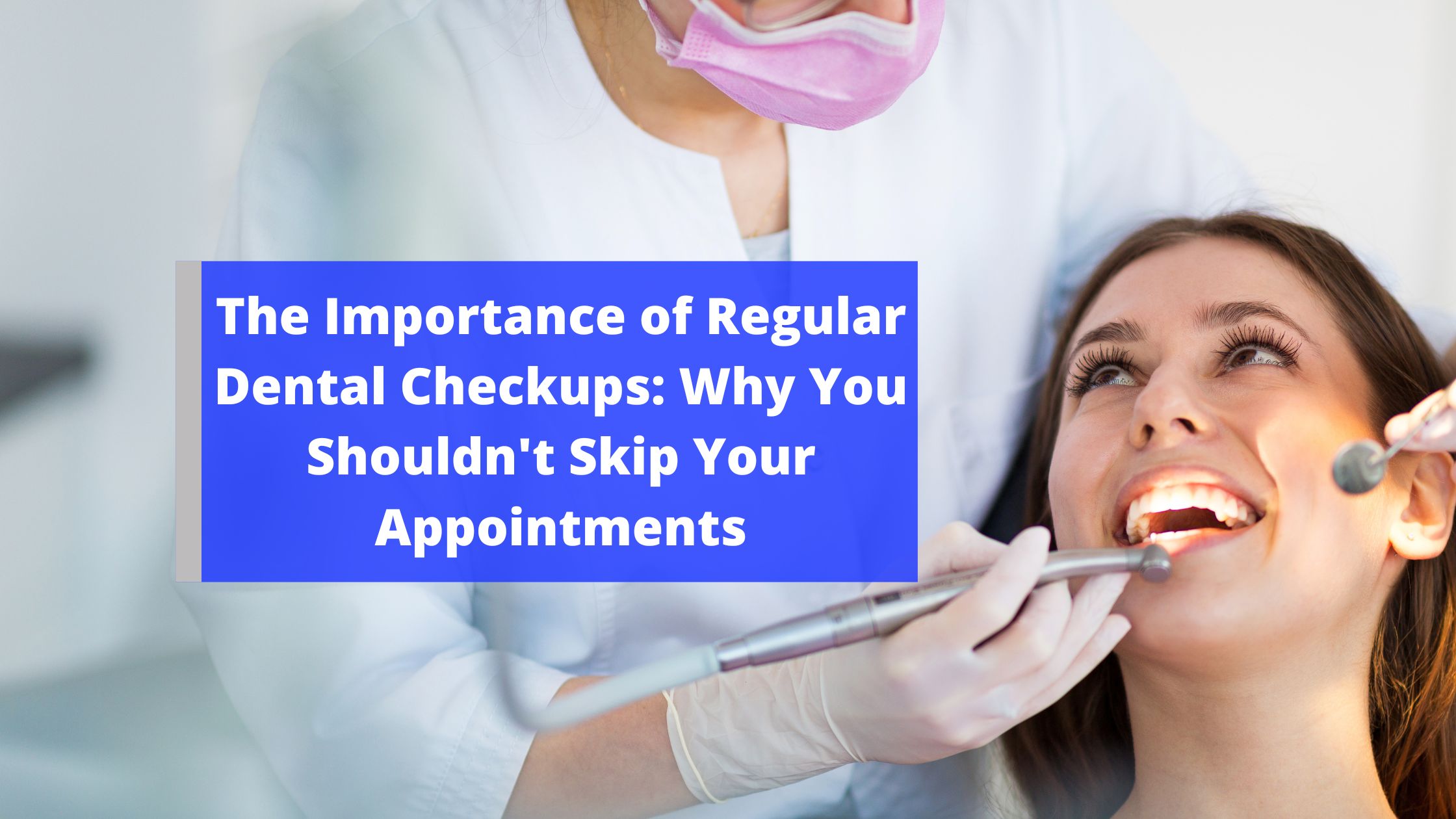
Your oral health is extremely important, and taking care of it is crucial for maintaining a gorgeous smile and overall well-being. While keeping up with a regular dental routine at home, such as brushing, flossing, and using a dentist-recommended mouthwash, is needed, those alone are insufficient to ensure optimal dental health. Regular dental checkups are a vital element of a comprehensive oral hygiene routine. Yet, so many people neglect or overlook these appointments, sticking to their routine at home. Let’s examine the importance of regular dental checkups and why you should never skip them.

Early Detection of Dental Issues

Let’s face it; we can see only so many things when looking in the mirror at our teeth and gums. One of the primary reasons dental checkups are essential is that they allow a professional to detect all types of dental issues early. Even if you are outstanding at sticking to your dental hygiene routine at home, specific problems can go unnoticed without an examination from a dental professional. Dentists are specifically trained to identify signs of the following:

  • Gum disease
  • Tooth decay
  • Oral cancer
  • Among other dental conditions

By keeping up with regular dental checkups, your dentist and dental team will identify and address any issues before they worsen. Early detection means future interventions can be less invasive, less expensive, and more effective. You don’t want to leave dental issues to chance, so prevention is always better than finding a cure.

Thorough Cleaning and Plaque Removal

We know that brushing and flossing can remove plaque and harmful bacteria from the teeth and gums. However, no matter how much you do it, certain areas in your mouth are difficult to reach with these regular oral hygiene practices. A sticky film of bacteria, called plaque, accumulates in these hard-to-reach places. Without its removal, it can lead to tooth decay and gum disease.

During your regularly scheduled dental checkup, your dentist or dental hygienist will perform a professional cleaning to remove any buildup of tartar and plaque. This detailed cleaning will prevent cavities and gum disease and allow you to avoid stinky breath, and lead to a cleaner, brighter smile. It will essentially hit a reset button on your oral health, ensuring that your teeth and gums are well protected against harmful bacteria.

Personalized Oral Care Advice

The condition of each individual’s oral health is unique and has very specific needs and challenges. During your regular dental checkup, your dentist will evaluate your particular oral health and provide personalized advice and recommendations. Your dentist will identify specific areas where you may be lacking in your oral hygiene routine. Based on their assessment, they will suggest different areas you can improve.

Your dental team may recommend specific toothbrushes, toothpaste, and mouthwashes, among other oral care products best suited for your needs. Additionally, your dentist will address any concerns or questions about your oral health. They can guide you on issues such as teeth grinding, bad breath, teeth sensitivity, etc. By following their expert advice, you can make informed decisions about your oral care routine and maintain a healthy smile.

Monitoring Your Overall Health

It’s crucial to remember that your oral health is closely connected to the overall health of your body. Regular dental checkups provide insights into your general well-being. Various systemic diseases and conditions, such as diabetes and vitamin deficiencies, will manifest symptoms in the mouth.

By visiting your dentist for a dental checkup, your dentist will be able to detect signs of these underlying health problems. For instance, gum disease has the potential to indicate diabetes, while certain oral lesions can be early signs of oral cancer. Regularly visiting your dental clinic increases the chances of identifying very serious conditions in their early stages, allowing you to plan for timely intervention and treatment.

Building a Trusting Relationship with Your Dentist

With your oral health being so important, having a great relationship with your dentist is essential. Regular dental checkups give you the opportunity to build a trusting relationship with your dental team. When you visit the same dentist consistently, they become familiar with your oral health history, making it easier for them to track any changes or developments over time. This familiarity fosters better communication, understanding, and personalized care.

As an added bonus, you will overcome any anxiety or fear that comes with going to the dental clinic. Let’s face it, for many, going to the dentist isn’t everyone’s cup of tea. Regular dental checkups become routine and less intimidating, especially when you establish a connection with your dentist and their team. A positive dental experience will lead to better oral health habits and encourage you to prioritize your dental appointments.

What Can You Expect From a Dental Checkup?

  1. Examination: Your dentist will closely inspect your mouth, teeth, and gums to identify any signs of abnormalities or dental issues.
  2. Cleaning: A dental hygienist or dentist will perform a professional cleaning of your teeth. This involves removing plaque and tartar buildup, polishing the teeth, and flossing to ensure thorough cleanliness.
  3. Gum examination: Your dentist will check the condition of your gums, looking for signs of gum disease or inflammation.
  4. Bite and jaw evaluation: Your dentist may assess your bite (occlusion) and jaw alignment. They will check for issues like misaligned teeth, overbite, underbite, or jaw problems.
  5. Discussion and recommendations: After your examination is complete, your dentist will discuss the results of it. They will share any concerns they may have while recommending the best course of action to improve your oral health.

Palos Park Dentist for the Entire Family

Your oral health goes far beyond a bright smile! Keeping up with clean teeth and gums starts with regular visits to your dentist! At Sheehan Dental, the health and safety of our patients are our top priority. We provide services for the entire family, ensuring that the smallest to the biggest smiles are always protected. If you are looking for a dependable dentist in Palos Park or the surrounding Chicagoland area, then schedule a dental checkup with us today.