How Lifestyle Choices Impact Oral Health: Smoking, Diet, and More

Maintaining good oral health is not just about brushing and flossing regularly; it’s also about making smart lifestyle choices. Your daily habits and routines can significantly impact the health of your teeth and gums. At Sheehan Dental, we understand the importance of educating our patients about how lifestyle choices affect their oral health. Together, let’s take a look at some of the most common lifestyle factors that influence your dental health and the steps you should take to maintain a healthy smile.

Smoking and Oral Health

Smoking is one of the most detrimental habits for your oral health. Not only does smoking stain your teeth and contribute to bad breath, but it also significantly increases your risk of developing gum disease, tooth decay, and oral cancer. The chemicals in tobacco products can irritate the gums, leading to inflammation and infection. Additionally, smoking weakens your body’s immune system, making it harder to fight off oral infections. If you’re a smoker, quitting is the single best thing you can do for your oral health. Not only will you reduce your risk of developing oral health problems, but you’ll also improve your overall health.

The Impact of Diet on Oral Health

Your diet plays a crucial role in your oral health. Foods and beverages high in sugar and acid can contribute to tooth decay and erosion. Bacteria in your mouth feed on sugar, producing acids that attack the enamel of your teeth. Over time, this can lead to cavities and tooth sensitivity.

To protect your teeth, it’s essential to limit your consumption of sugary and acidic foods and drinks. Instead, opt for a balanced diet rich in fruits, vegetables, lean proteins, and whole grains. These foods provide essential nutrients that support healthy teeth and gums. Additionally, drinking plenty of water helps rinse away food particles and bacteria, reducing your risk of cavities and gum disease.

The Importance of Oral Hygiene

Importance of Oral Hygiene Palos Park IL

Good oral hygiene is the foundation of a healthy smile. Brushing your teeth twice a day and flossing daily helps remove plaque and bacteria from the surfaces of your teeth and along the gumline. However, even the most diligent brushing and flossing routine can’t reach every area of your mouth.

That’s why regular dental cleanings and oral examinations are crucial for maintaining optimal oral health. During a professionally cleaned appointment, our dental hygienists use specialized tools to remove plaque and tartar buildup from your teeth, reducing your risk of cavities and gum disease. Additionally, our dentists perform a comprehensive oral examination to check for any signs of dental problems and provide early intervention when necessary.

The Link Between Oral Health and Overall Health

Your oral health is closely connected to your overall health. Research has shown that poor oral health is associated with an increased risk of systemic conditions such as heart disease, diabetes, and respiratory infections. Gum disease, in particular, has been linked to a higher risk of cardiovascular problems.

By prioritizing your oral health, you’re not only protecting your teeth and gums but also safeguarding your overall well-being. Regular dental check-ups and cleanings allow us to detect and address any oral health issues early, preventing them from impacting your overall health. For more information, check out one of our blog posts about the connection between oral health and oral health here.

Gum Disease and Dental Care
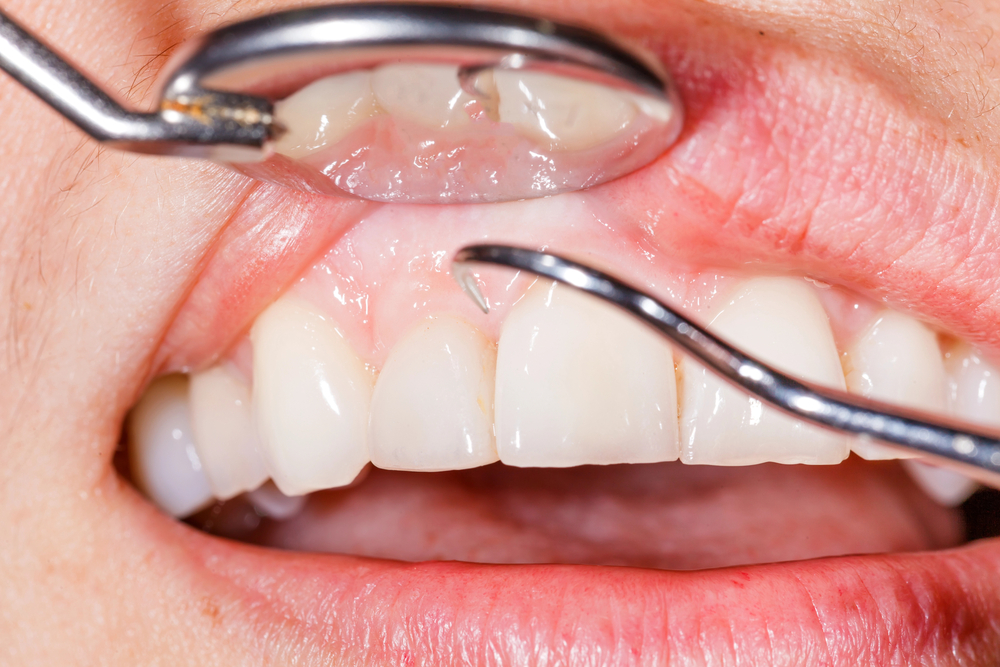
Gum Disease and Dental Care Specialist Near Palos Park IL

Gum disease, also known as periodontal disease, is a common but preventable condition that affects the tissues surrounding your teeth. It begins as gingivitis, characterized by red, swollen gums that bleed easily, and can progress to periodontitis, which can lead to tooth loss if left untreated.

The primary cause of gum disease is poor oral hygiene, but other factors such as smoking, diabetes, and genetic predisposition can also increase your risk. To prevent gum disease, it’s essential to practice good oral hygiene habits, including brushing and flossing regularly and scheduling regular dental cleanings and check-ups.

If you notice any signs of gum disease, such as bleeding gums or persistent bad breath, it’s crucial to seek dental treatment as soon as possible. Our team at Sheehan Dental can provide personalized care to help manage and treat gum disease, preserving your oral health and preventing further complications.

Choosing the Best Dentist in Palos Park

When it comes to maintaining your oral health, choosing the right dentist is essential. At Sheehan Dental, we are committed to providing high-quality, patient-centered care to individuals and families in Palos Park and the surrounding communities. Our team of experienced dentists and hygienists prioritizes your comfort and well-being, ensuring that you receive the personalized attention you deserve.

Whether you need a routine dental check-up, a comprehensive oral examination, or treatment for a dental problem, we’re here to help. With state-of-the-art technology and advanced techniques, we deliver exceptional results and help you achieve a healthy, beautiful smile that lasts a lifetime.

Protect Your Smile with Sheehan Dental and Schedule an Appointment Today

Your lifestyle choices have a significant impact on your oral health. By avoiding tobacco products, maintaining a balanced diet, practicing good oral hygiene, and prioritizing regular dental care, you can protect your teeth and gums and safeguard your overall health. At Sheehan Dental, we’re here to support you on your journey to optimal oral health. Come visit our clinic, get directions here, or contact us today to schedule a dental cleaning and examination and take the first step toward a healthier smile.
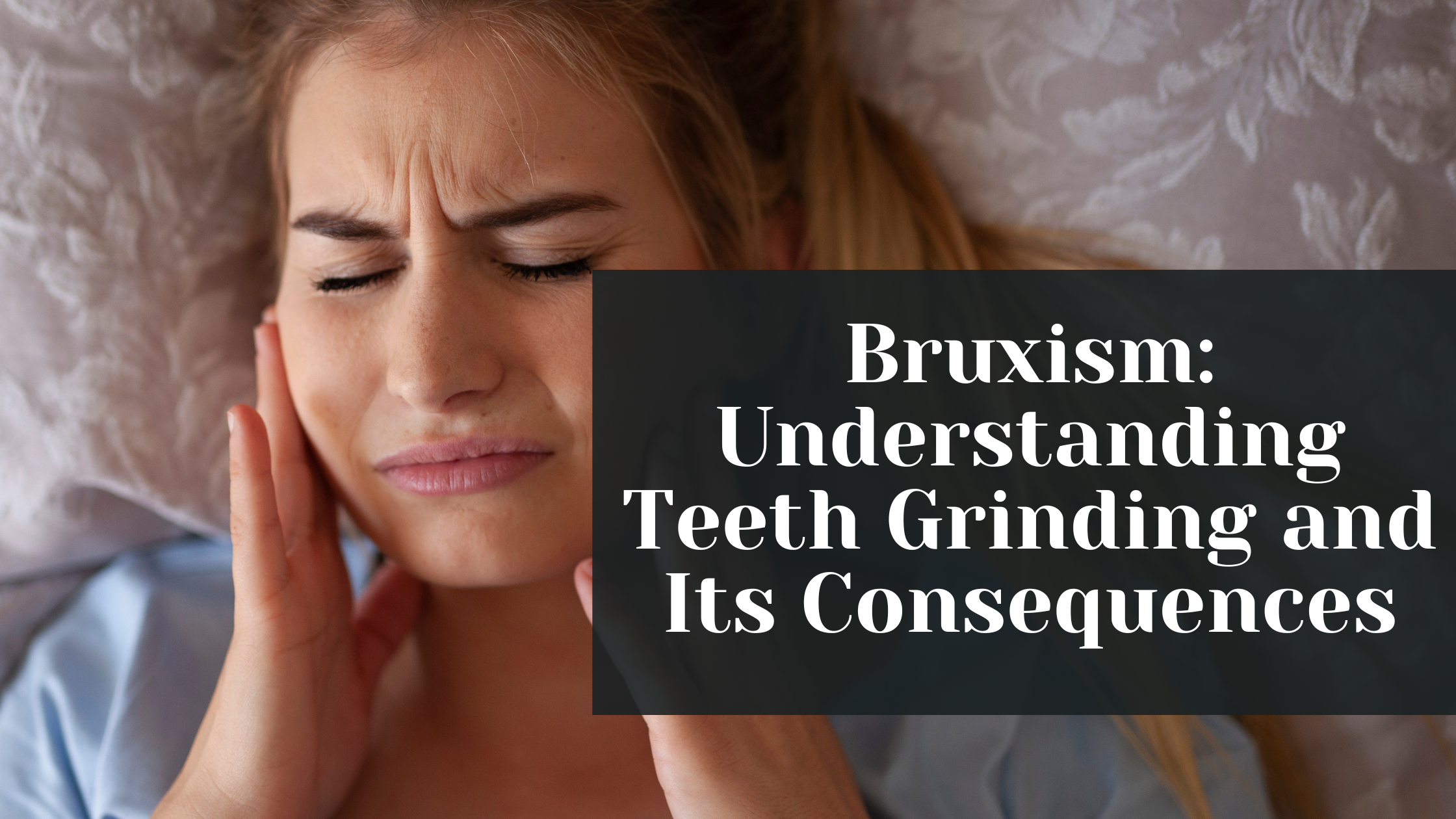

Bruxism: Understanding Teeth Grinding and Its Consequences

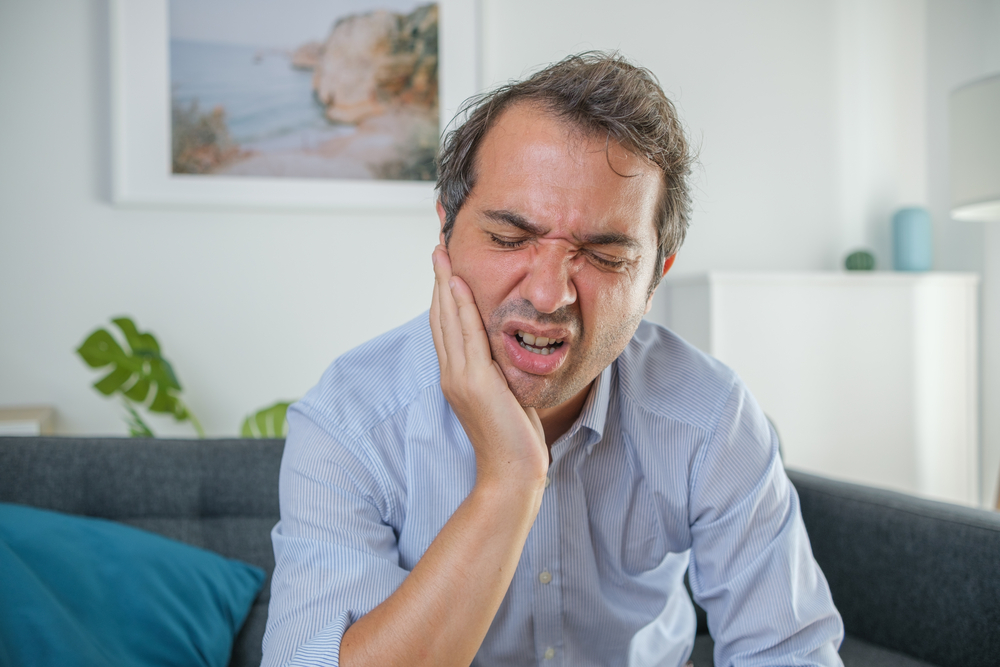
Bruxism, commonly known as teeth grinding, is a dental condition affecting millions worldwide. While it may seem harmless at first, the consequences of bruxism can be significant if left untreated. If you are suffering from teeth grinding, keep reading because we are going to delve into the causes, symptoms, and potential implications of bruxism, as well as ways to manage and prevent this condition.

What is Bruxism?

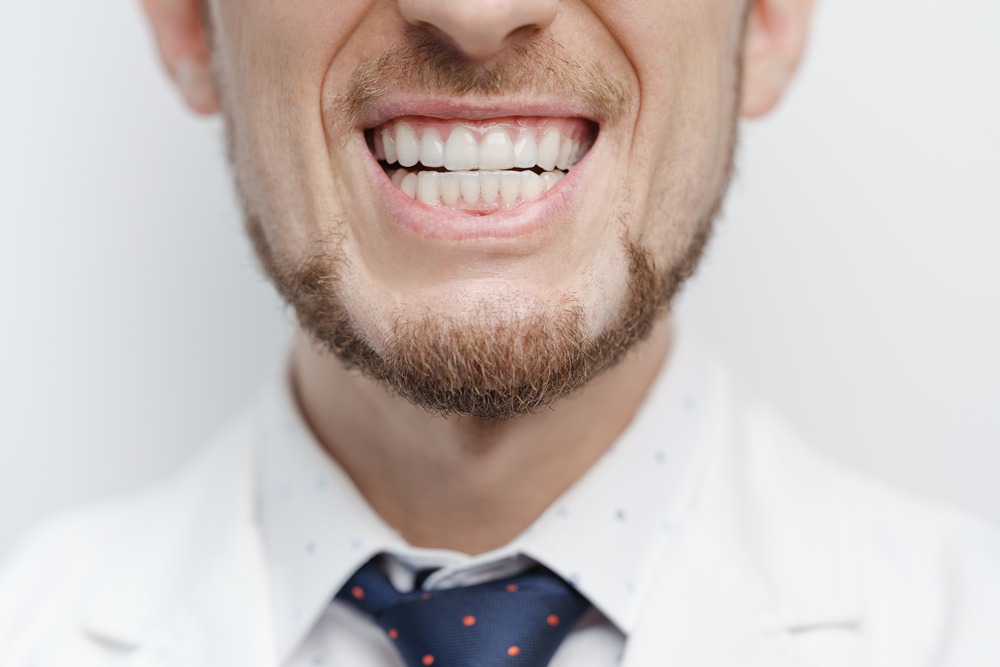
Bruxism is the involuntary clenching or grinding of teeth, typically occurring during sleep and sometimes during the day. This condition can affect individuals of all ages, from children to adults, and it often goes unnoticed until its effects become more pronounced. Bruxism can be categorized into two main types:

  1. Awake Bruxism: This occurs when individuals clench or grind their teeth during waking hours. It is often associated with stress, anxiety, or as a subconscious habit.

  2. Sleep Bruxism: As the name suggests, sleep bruxism occurs during sleep and is usually more forceful than awake bruxism. People who grind their teeth while asleep may not be aware of their condition until they experience its consequences.

Causes of Bruxism

The exact causes of bruxism can vary from person to person, but several common factors are associated with this condition:

  • Stress and Anxiety: One of the most common triggers for bruxism is stress. Individuals often grind their teeth as a way to release tension.

  • Abnormal Bite: A misaligned bite or an uneven distribution of teeth can lead to bruxism. The grinding may be an attempt to find a more comfortable bite position.

  • Sleep Disorders: Certain sleep disorders, such as sleep apnea, can contribute to sleep bruxism.

  • Medications and Substances: Some medications, like antidepressants and stimulants, can increase the likelihood of teeth grinding. Alcohol and recreational drugs may also exacerbate the condition.

  • Age: Bruxism is more prevalent in children but can persist into adulthood. It tends to decrease with age, but it can still affect older individuals.

Symptoms of Bruxism

Identifying bruxism can be challenging, as it often occurs during sleep. However, there are several signs and symptoms that may indicate teeth grinding:

  • Headaches: Frequent and unexplained headaches, especially in the morning, can be a sign of bruxism.

  • Jaw Pain: Bruxism often leads to jaw pain, as the excessive pressure placed on the jaw joint can result in discomfort or even temporomandibular joint disorder (TMD).

  • Tooth Sensitivity: Grinding can wear down tooth enamel, leading to increased tooth sensitivity to hot or cold temperatures.

  • Chipped or Worn Teeth: The constant grinding can cause teeth to become chipped, fractured, or noticeably worn down.

  • Earache: Some individuals with bruxism may experience earaches due to the close proximity of the ear and jaw.

  • Facial Pain: Facial pain or soreness, particularly around the jaw and cheek areas, can be a consequence of teeth grinding.

  • Sleep Disturbances: Sleep partners may notice the sounds of grinding during the night, which can lead to disrupted sleep patterns.

Consequences of Bruxism

Ignoring bruxism can have serious consequences for your dental health and overall well-being. Some of the potential complications include:

  1. Dental Damage: Prolonged teeth grinding can result in the erosion of tooth enamel, which can lead to cavities and tooth sensitivity. Additionally, the constant pressure on the teeth can cause them to become chipped, cracked, or even loose.

  2. Temporomandibular Joint Disorder (TMD): Bruxism can strain the jaw joint, leading to TMD. TMD can cause pain, difficulty in opening and closing the mouth, and clicking or popping sounds in the jaw.

  3. Gum Recession: Excessive grinding can also lead to gum recession, exposing the roots of the teeth and making them more vulnerable to decay.

  4. Sleep Disturbances: Teeth grinding can disrupt your own sleep as well as that of your sleep partner. The loud grinding noises can lead to interrupted sleep patterns and fatigue.

  5. Headaches and Facial Pain: Chronic bruxism can result in frequent headaches and facial pain, affecting your quality of life.

  6. Stress and Anxiety: The link between bruxism and stress or anxiety is well-established. Managing stress and anxiety becomes crucial in preventing and treating bruxism.

Diagnosis and Treatment

If you suspect you have bruxism or are experiencing any of the associated symptoms, it’s essential to consult a dentist for a proper diagnosis and treatment plan. Diagnosis typically involves a comprehensive examination of your teeth and an assessment of your dental history.

Treatment options may include:

  1. Mouthguards or Splints: Dentists often recommend custom-made mouthguards or splints to protect your teeth from the grinding forces. These devices can help reduce damage and alleviate symptoms.

  2. Stress Management: If stress or anxiety is a contributing factor, addressing these underlying issues through therapy or relaxation techniques may be recommended.

  3. Orthodontic Treatment: In cases where a misaligned bite contributes to bruxism, orthodontic treatment may be necessary to correct the alignment of the teeth.

  4. Lifestyle Changes: Lifestyle modifications, such as reducing caffeine and alcohol intake or avoiding stimulating substances before bedtime, may help alleviate bruxism.

Preventing Bruxism

While not all cases of bruxism can be prevented, there are steps you can take to reduce your risk or mitigate the severity of the condition:

  1. Stress Management: Practice stress-reduction techniques such as yoga, meditation, or deep breathing exercises to help relax your body and mind.

  2. Limit Caffeine and Alcohol: Reduce your consumption of caffeine and alcohol, especially in the hours leading up to bedtime.

  3. Stay Hydrated: Ensure you’re adequately hydrated throughout the day, as dehydration can sometimes exacerbate bruxism.

  4. Maintain Good Oral Hygiene: Brush and floss your teeth regularly to maintain good oral health. Healthy teeth are better equipped to withstand the forces of grinding.

  5. Wear a Mouthguard: If you’re prone to bruxism or have been diagnosed with it, wearing a custom-made mouthguard at night can protect your teeth from damage.

Suffering From Constant Teeth Grinding? Contact Sheehan Dental

If you feel as though you are suffering from bruxism, contact us as soon as possible. While it may not seem like a huge deal at first, constant teeth grinding during the night or day can not only seriously affect your teeth and oral health, but it can also impact your entire body. Schedule an appointment today with Sheehan Dental and get your teeth grinding under control.

Pediatric Dentistry in Palos Park, IL

At Sheehan Dental, we understand that your child’s dental health is paramount. As a trusted dental practice serving Palos Park, IL, and the surrounding Chicagoland area, we are dedicated to providing exceptional pediatric dentistry services that cater to the unique needs of young patients. Our team of experienced and compassionate pediatric dentists is committed to creating a positive and comfortable dental experience for children, ensuring they develop healthy oral habits that will last a lifetime.

Why Choose Pediatric Dentistry?

Pediatric dentistry focuses on the oral health and well-being of infants, children, adolescents, and individuals with special healthcare needs. This specialized field of dentistry recognizes the unique challenges and developmental stages that children go through as they grow. Here are some compelling reasons why you should consider pediatric dentistry for your child:

  1. Specialized Expertise: Pediatric dentists have completed additional training beyond dental school, equipping them with the knowledge and skills to address the specific dental needs of children. They are experts in child psychology and behavior management, making dental visits more comfortable for young patients.
  2. Preventive Care: Pediatric dentistry emphasizes preventive care to maintain optimal oral health. Early intervention and education can help prevent common dental issues in children, such as cavities and gum disease.
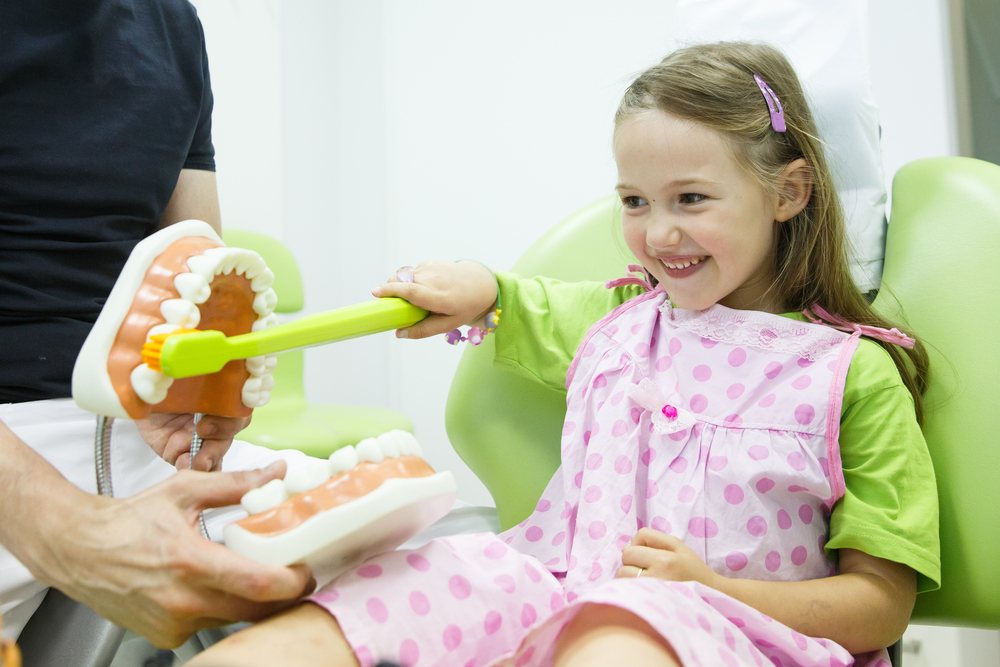
  3. Establishing Good Habits: Pediatric dentists educate both children and parents on the importance of oral hygiene and proper dental care practices. Teaching children to develop good habits early can set them up for a lifetime of excellent oral health.
  4. Child-Friendly Environment: Our dental office is designed with children in mind, featuring a welcoming and child-friendly atmosphere. We aim to create a positive experience that helps children feel comfortable and relaxed during their visits.

What Treatments Do Our Pediatric Dentists Provide?

At Sheehan Dental, we provide a variety of dental treatments, including:

At Sheehan Dental, we are dedicated to ensuring the health of your children’s teeth and gums. Our team understands that not every dental patient is the same, so we provide our patients with a wide array of tailored dental treatments over a wide area of dentistry. The first step is to always schedule a consultation with our team so that we can start your child on a happy and healthy dental journey.

What Sets Sheehan Dental Apart

Experienced and Caring Team

Our team of pediatric dentists, hygienists, and support staff is passionate about working with children and ensuring their dental experiences are positive. We prioritize patient comfort and are dedicated to building trust with our young patients.

Child-Centric Approach

We understand that children have unique dental needs and may require a different approach than adults. Our child-centric approach ensures that your child’s dental care is tailored to their age, developmental stage, and individual needs.

State-of-the-Art Facility

Our dental office is equipped with the latest technology and amenities to provide the highest quality care in a comfortable and safe environment.

Convenient Scheduling

We offer flexible appointment scheduling to accommodate busy families. We understand the importance of convenience when it comes to managing your child’s healthcare needs.

Common Questions About Pediatric Dentistry

1. When Should My Child First Visit the Dentist?

The American Academy of Pediatric Dentistry recommends that your child’s first dental visit should occur within six months of the eruption of their first tooth or no later than their first birthday. Early dental visits help establish a dental home for your child and allow the dentist to monitor their oral health as they grow.

2. Are Baby Teeth Really That Important?

Yes, baby teeth are crucial for several reasons. They help your child chew properly, maintain proper nutrition, and speak clearly. Additionally, baby teeth serve as placeholders for permanent teeth. If baby teeth are lost prematurely due to decay or other issues, it can lead to alignment problems with permanent teeth later on.

3. How Can I Prepare My Child for Their First Dental Visit?

It’s essential to create a positive and comfortable experience for your child’s first dental visit. You can prepare your child by talking to them about the dentist in a positive manner, reading books about dental visits, and even role-playing at home. Choosing a pediatric dentist experienced in working with children can also help ensure a smooth and friendly first visit.

4. What Should I Expect During My Child’s First Dental Appointment?

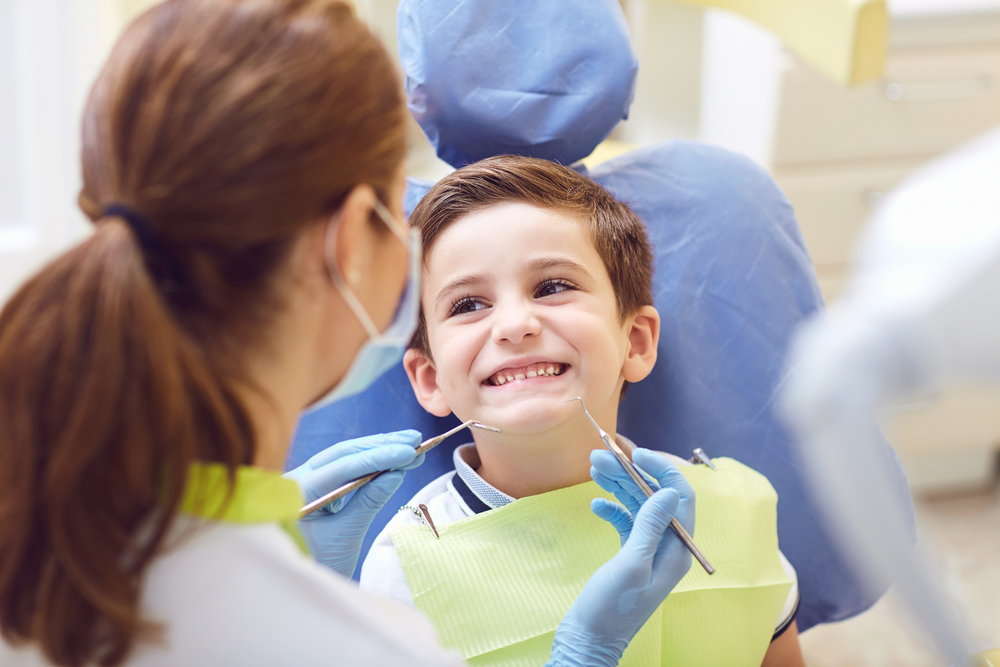
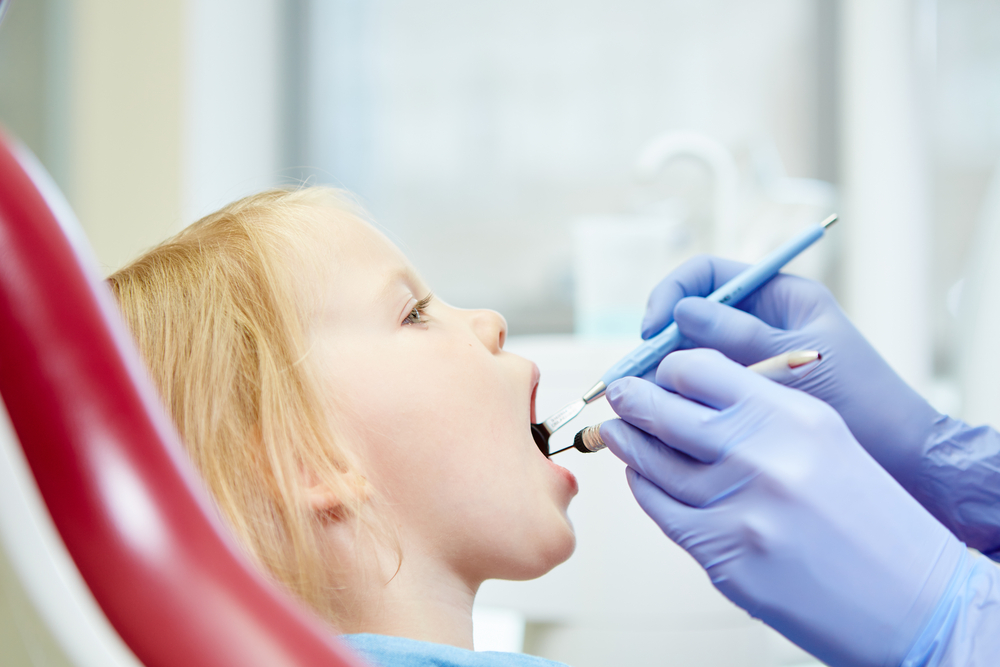
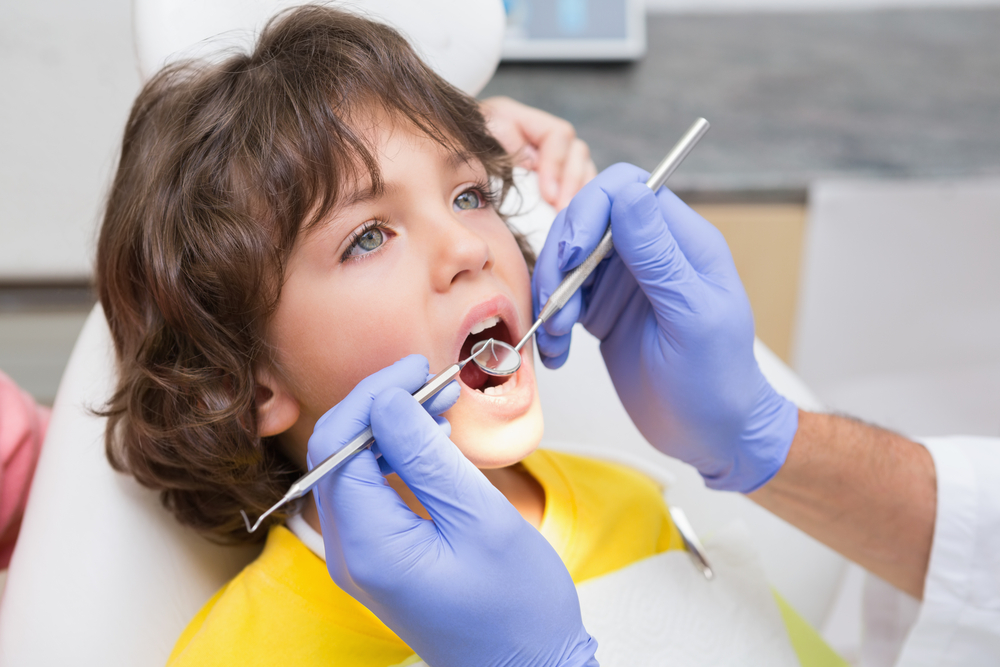
During your child’s first dental appointment, the dentist will perform a gentle examination of their teeth and gums. The goal is to check for any signs of dental issues and to establish a baseline for your child’s oral health. The visit will also include discussions about proper oral hygiene and nutrition for your child’s age.

5. What Can I Do to Help My Child Overcome Dental Anxiety?

Dental anxiety is common among children, but there are several strategies to help your child feel more at ease. Choosing a pediatric dentist, like Sheehan Dental, who is experienced in behavior management techniques, is crucial. Additionally, you can use positive reinforcement, offer distractions during the appointment, and reassure your child that the dentist is there to help them.

6. Are Dental Sealants Safe for My Child?

Dental sealants are a safe and effective way to protect your child’s teeth from cavities. They are typically applied to the molars, which are more susceptible to decay due to their deep grooves. Sealants create a protective barrier, reducing the risk of cavities and the need for fillings.

7. What Should I Do in a Dental Emergency Involving My Child?

Dental emergencies can happen, and it’s essential to be prepared. If your child experiences a dental injury or sudden severe pain, contact your pediatric dentist at Sheehan Dental immediately. They can provide guidance over the phone and schedule an emergency appointment if necessary.

Your Child’s Dental Home

At Sheehan Dental, we aim to be your child’s dental home, where they feel comfortable, valued, and cared for. We believe that building a positive relationship with a dentist from a young age can instill a lifelong commitment to oral health.

We welcome children of all ages and look forward to being a part of your child’s dental journey. Whether you have an infant, a toddler, or an adolescent, our pediatric dentists are here to provide the best possible care and guidance.

Schedule Your Child’s Appointment Today

Investing in your child’s oral health is an investment in their overall well-being. If you’re in Palos Park or the surrounding areas and are seeking a trusted pediatric dentist, look no further than Sheehan Dental. We are dedicated to helping your child achieve and maintain a healthy, beautiful smile.

Contact us today to schedule your child’s appointment or to learn more about our pediatric dentistry services. We look forward to welcoming your family to our practice and providing exceptional dental care for your child. Your child’s smile is our top priority!

New Year, New Smile: Dental Resolutions for a Healthier You

The New Year is the perfect time to make resolutions for a healthier you, and that includes taking better care of your oral health. Your smile is one of your most valuable assets, and maintaining good dental hygiene can lead to improved overall health and confidence. At Sheehan Dental, we believe that a new year should bring a new commitment to your dental well-being. Keep reading because we are going to discuss some dental resolutions to help you achieve a healthier, more beautiful smile in the coming year.

1. Schedule Regular Dental Checkups

One of the most important resolutions you can make for your dental health is to schedule regular dental checkups. Many dental issues can be prevented or detected early through routine visits to your dentist. By committing to seeing your dentist at least twice a year, you can stay on top of any potential problems and address them before they become more serious and costly to treat.

At Sheehan Dental, our experienced team is dedicated to providing you with top-notch dental care. We offer comprehensive dental exams and cleanings to ensure that your oral health is in excellent condition. Don’t wait until you have a dental emergency to seek professional care; make regular checkups a priority in the New Year.

2. Improve Your Oral Hygiene Routine

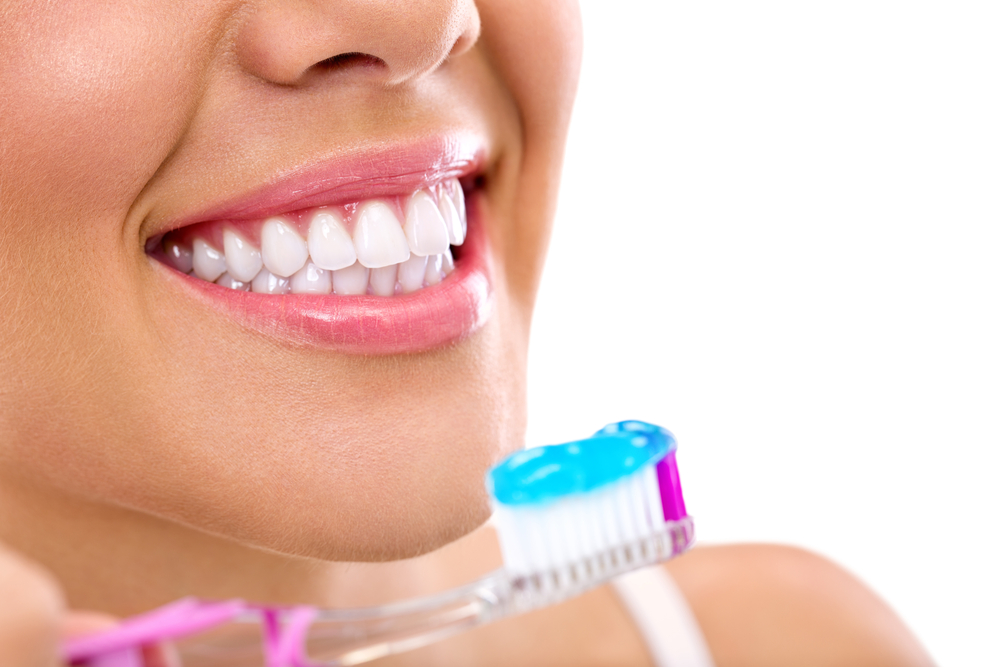
A healthy smile starts at home with good oral hygiene habits. Brushing your teeth at least twice a day and flossing daily are essential practices to keep your teeth and gums in excellent condition. However, it’s not just about how often you brush and floss; it’s also about doing it correctly.

Here are some tips for improving your oral hygiene routine:

  • Use a dentist-recommended fluoride toothpaste to strengthen your enamel and protect against cavities.
  • Replace your toothbrush every 3-4 months or when the bristles start to fray.
  • Don’t forget to brush your tongue to remove bacteria and keep your breath fresh.
  • Use dental floss or interdental brushes to clean between your teeth and along the gumline.

3. Make Healthier Food Choices

Your diet plays a significant role in your dental health. Sugary and acidic foods can contribute to tooth decay and gum disease. This year, resolve to make healthier food choices that benefit not only your overall health but also your teeth and gums.

Here are some dietary changes to consider:

  • Limit sugary snacks and beverages like candies, sodas, and fruit juices.
  • Incorporate more fruits and vegetables into your diet, as they are rich in essential vitamins and minerals for strong teeth and gums.
  • Choose water as your primary beverage, as it helps to rinse away food particles and bacteria.

4. Quit Smoking and Chewing Tobacco

If you smoke or chew tobacco, quitting should be at the top of your list of New Year’s resolutions. Tobacco use is not only harmful to your general health but also incredibly damaging to your oral health. It can lead to tooth discoloration, gum disease, and even oral cancer.

Quitting smoking or chewing tobacco is a challenging journey, but it’s one that can significantly improve your overall well-being and the health of your smile. Seek support from healthcare professionals and join smoking cessation programs to increase your chances of success.

5. Wear a Mouthguard

If you participate in sports or grind your teeth at night, consider wearing a mouthguard. Mouthguards are essential for protecting your teeth from injury and preventing the wear and tear caused by teeth grinding or clenching (bruxism).

Custom-made mouthguards from Sheehan Dental can provide you with a comfortable and secure fit, ensuring maximum protection. Whether you’re an athlete or dealing with bruxism, wearing a mouthguard can save you from dental emergencies and costly restorative procedures.

6. Explore Cosmetic Dentistry Options

Improving the appearance of your smile can boost your confidence and self-esteem. Cosmetic dentistry procedures offered at Sheehan Dental can help you achieve the smile of your dreams. Whether you’re interested in teeth whitening, veneers, or orthodontic treatments like

Invisalign, the New Year is the perfect time to explore your options.

Our skilled cosmetic dentists can create a personalized treatment plan to address your specific concerns and enhance the beauty of your smile. Start the year off with a brighter, more confident you by investing in cosmetic dentistry.

7. Practice Stress Reduction Techniques

Stress can take a toll on your oral health. It can lead to teeth grinding, jaw clenching, and neglect of your oral hygiene routine. In the New Year, commit to practicing stress reduction techniques to promote better dental health.

Here are some stress reduction techniques to consider:

  • Meditation and deep breathing exercises
  • Regular physical activity
  • Adequate sleep
  • Seeking professional counseling or therapy when needed

By managing stress effectively, you can protect your teeth and gums from the harmful effects of stress-related behaviors.

8. Educate Yourself and Your Family

Knowledge is power, and educating yourself and your family about the importance of dental health can make a significant difference. Teach your children about proper oral hygiene practices from a young age, and lead by example with your own dental care routine.

At Sheehan Dental, we offer educational resources to help you and your family learn more about maintaining healthy smiles. Feel free to ask us any questions about dental care during your visits.

9. Plan for Dental Emergencies

Accidents happen, and it’s essential to be prepared for dental emergencies. Whether you experience a knocked-out tooth, a cracked tooth, or severe dental pain, knowing what to do in these situations can make a big difference in the outcome.

As part of your New Year’s resolutions, put together a dental emergency kit with items like gauze, a small container with a lid, and the contact information for Sheehan Dental. This way, you’ll be ready to take immediate action in case of a dental emergency.

Prepare Your Smile for the New Year with Sheehan Dental

At Sheehan Dental, we’re here to help you achieve your dental resolutions for a healthier you. Our team is dedicated to providing you with the best dental care possible, and we look forward to helping you maintain a beautiful smile throughout the coming year.

Make your dental health a priority in 2024, and contact Sheehan Dental to schedule your next checkup or discuss any dental concerns you may have. Let’s start the New Year with a commitment to a healthier, happier smile!

The Impact of Seasonal Stress On Your Teeth

Stress is an inevitable part of life, and it can affect various aspects of our well-being, including our oral health. As the seasons change, so do the stressors we face, which can directly impact the health of our teeth and gums. In this blog post, we will explore how seasonal stress can affect your oral health and provide tips on how to mitigate these effects.

Understanding the Connection Between Stress and Oral Health

Before delving into the seasonal aspects of stress, it’s important to understand how stress, in general, can impact your teeth. Chronic stress has been linked to a variety of oral health issues, including:

  • Bruxism (Teeth Grinding): Stress can lead to teeth grinding, a condition known as bruxism. This involuntary clenching or grinding of teeth, especially during sleep, can result in tooth wear, fractures, and jaw pain.
  • Gum Disease: Chronic stress weakens the immune system, making the gums more susceptible to infections. This can contribute to the development and progression of gum disease.
  • Dry Mouth: Stress can reduce saliva production, leading to dry mouth. Saliva plays a crucial role in neutralizing acids and protecting teeth from decay. A lack of saliva can increase the risk of cavities.
  • Poor Oral Hygiene Habits: During stressful times, individuals may neglect their oral hygiene routines, leading to an accumulation of plaque and bacteria. This can escalate the risk of cavities and gum disease.

Now, let’s explore how the changing seasons can exacerbate these stress-related oral health issues.

Winter Blues and Oral Health

Holiday Stress

The holiday season, while joyful, can also be a stressful time. The pressure of gift shopping, family gatherings, and financial strain can contribute to heightened stress levels. This stress may manifest in increased teeth grinding, impacting the integrity of your teeth.

Cold Weather Sensitivity

For those with sensitive teeth, the winter season can exacerbate the problem. Cold temperatures can trigger discomfort, and individuals may inadvertently clench their teeth in response to the chill.

Seasonal Depression

Winter is notorious for bringing about seasonal affective disorder (SAD) or winter blues. Those affected by seasonal depression may experience changes in appetite, energy levels, and sleep patterns, which can indirectly influence oral health through changes in dietary habits and self-care.

To combat these winter-related stressors, it’s crucial to prioritize stress management techniques, such as meditation, exercise, and maintaining a healthy routine. Additionally, using a mouthguard at night can help protect against the effects of teeth grinding.

Spring Cleaning and Oral Care

As the weather warms up and nature comes to life, people often engage in spring cleaning and revitalizing their surroundings. However, this season can also bring its own set of stressors that affect oral health.

Allergies and Oral Breathing

Spring is notorious for allergies, and individuals may find themselves breathing through their mouths due to nasal congestion. Mouth breathing can lead to dry mouth, increasing the risk of cavities and gum issues.

Outdoor Activities and Oral Injuries

With the arrival of spring, people are more likely to engage in outdoor activities. While exercise is beneficial for overall health, it’s essential to be cautious and protect your teeth during sports or recreational activities to prevent injuries.

Exam Stress for Students

For students, spring often marks the season of exams and academic stress. Increased stress levels can contribute to poor oral hygiene habits and exacerbate existing dental issues.

To mitigate these spring-related stressors, staying hydrated is crucial to combat dry mouth, and using a mouthguard during physical activities can prevent dental injuries. Additionally, maintaining a consistent oral care routine, even during busy periods, is essential for preserving oral health.

Summer Fun and Dental Dangers

While summer is a time for relaxation and fun, it also presents specific challenges for oral health.

Travel-Related Stress

Many people embark on vacations during the summer, and travel-related stress can take a toll on oral health. Changes in diet, time zone adjustments, and irregular routines can contribute to oral hygiene neglect.

Acidic Summer Foods

Summertime often involves indulging in acidic foods and beverages, such as citrus fruits and sodas. These can erode tooth enamel, leading to increased sensitivity and a higher risk of cavities.

Dehydration

Hot summer temperatures can contribute to dehydration, reducing saliva production. Inadequate saliva can create an environment conducive to bacterial growth, increasing the likelihood of cavities and gum issues.

To protect your teeth during the summer months, it’s crucial to maintain good oral hygiene habits even when traveling. Stay hydrated, limit acidic food and drink consumption, and be mindful of your oral health while enjoying the summer festivities.

Fall Stress and Oral Health Challenges

As the leaves change and temperatures cool, fall brings its own set of stressors that can impact oral health.

Back-to-School Rush

The fall season is synonymous with back-to-school preparations, which can be stressful for both parents and students. The rush to get ready for a new academic year can result in neglected oral care.

Workplace Stress

For many, the fall season is a busy time at work. Increased work-related stress can contribute to teeth grinding and other oral health issues.

Sugar-Filled Fall Treats

Fall is a season of indulgence, with Halloween and Thanksgiving bringing an abundance of sweet treats. Increased consumption of sugary foods can contribute to tooth decay and gum problems.

To navigate fall-related oral health challenges, it’s important to prioritize stress management, maintain a consistent oral care routine, and be mindful of sugar intake. Regular dental check-ups can also help address any emerging issues before they escalate.

Managing Seasonal Stress for a Healthy Smile

The changing seasons can bring about unique stressors that directly impact your oral health. Whether it’s the winter blues, spring allergies, summer travel stress, or fall rush, being aware of these seasonal challenges is the first step in maintaining a healthy smile. Now that winter is upon us and the holiday season is quickly approaching schedule a consultation with Sheehan Dental to ensure that your smile is protected at all times.