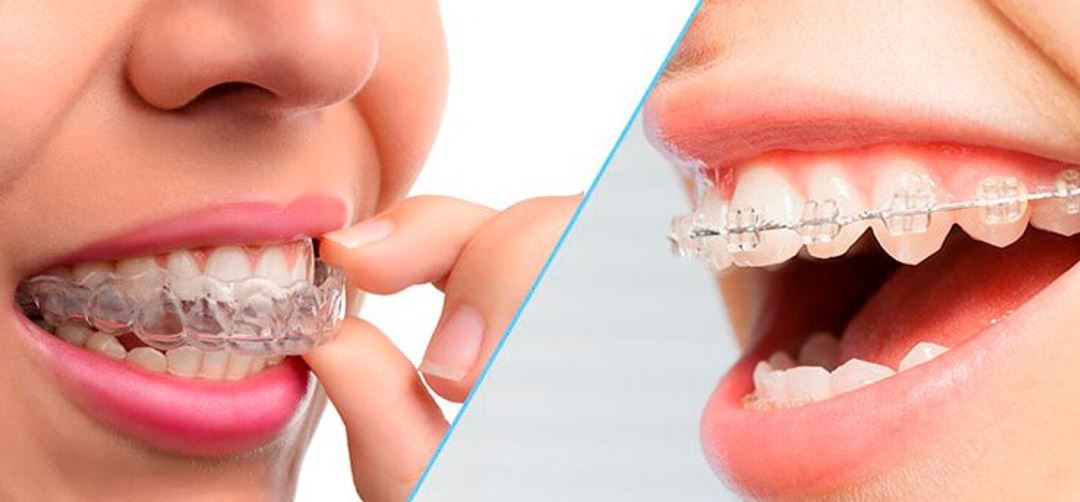
Invisalign Clear Aligners 101 – How Does the Invisalign System Work?

“You need braces.” Three words that no teen or adult ever wants to hear. Let’s face it, metal brackets are not the most charming or comfortable thing to add to your life. With an estimated 4.5 million Americans wearing braces to straighten their teeth, many Americans find themselves wondering why there isn’t an easier way to obtain better teeth. Well, what if we told you there is! At Sheehan Dental, our expert team of cosmetic dental specialists are always searching for new and innovative treatment options to ensure that our patient’s journey to healthy teeth is manageable and successful. 

That is why we provide the Invisalign clear aligners, a revolutionary straightening method highly effective for teens and adults. They are easy to use, removable, and boast the same results as would regular metal braces. Finally, what used to be the only option in dental care has a competitor. There is a reason they are taking the lead in dental centers across the United States and  across the globe. Welcome to Invisalign 101; get ready for us to change the way you look at teeth straightening systems: 

What are Invisalign Clear Aligners? 

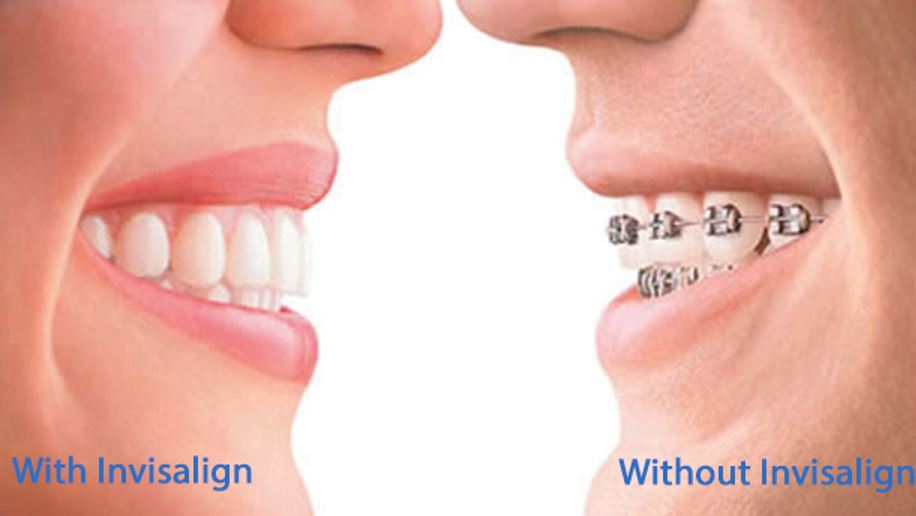
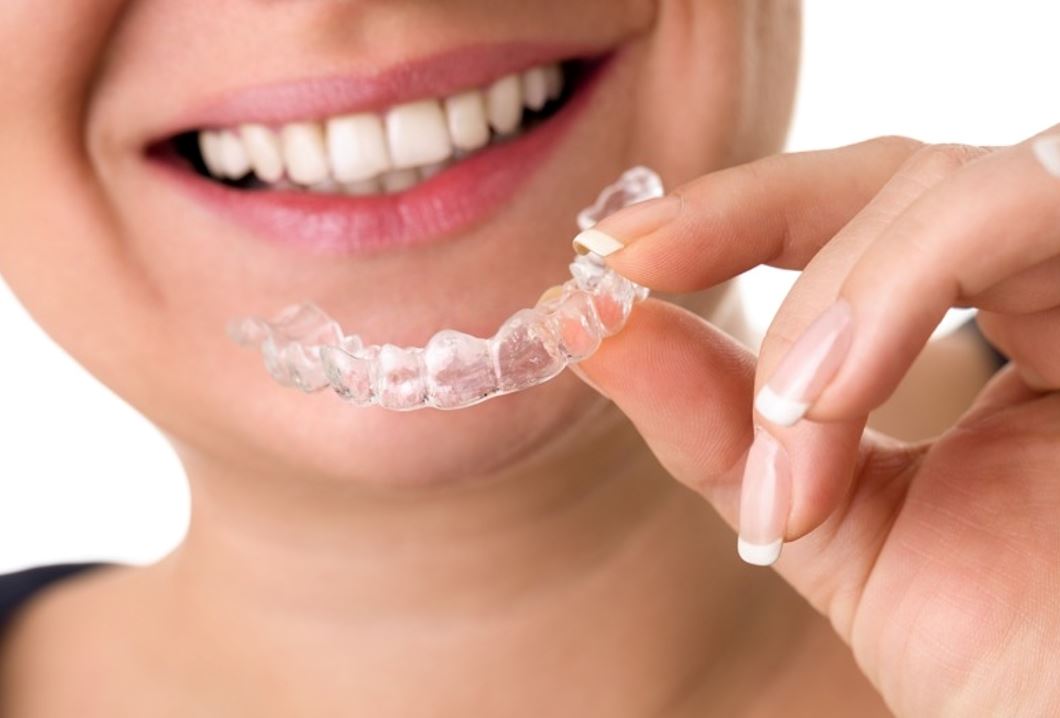
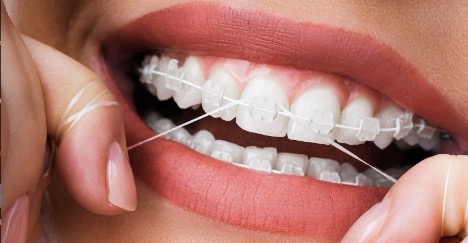
Invisalign clear aligners are the newest technological advancement in dentistry. They are an alternative to metal braces with the same effect, making the journey towards a healthier smiler more bearable with significantly fewer restrictions. This remarkable treatment option allows for patients to align their teeth properly without anyone else knowing they are. That’s right; these “braces” are essentially invisible. 

While the lack of visibility is one of the most attractive advantages of Invisalign, the ability to remove them is a close second. Metal brackets make patients follow strict activity, food, and drink restrictions and develop a rigorous dental health care plan, Not Invisalign, they can be removed at any moment throughout the day. Meaning no more giving up the food that you love, the activities you don’t want to live without, or constantly having to return to the dentist due to issues with the metal wiring. Have we convinced you yet? 

How Does the Invisalign Process Work? 

If avoiding metal braces at all costs is something that is on your mind, well, our specialists will help make that happen! But first, we have to be sure that you are a suitable candidate. During your consultation at Sheehan Dental, our team will assess your unique condition to determine whether or not Invisalign is right for you. When we have a green light, your dentist will make a digital scan of your teeth. No molds or messy impressions needed. After, the scan is uploaded into advanced software that begins to fabricate the aligners to the shape of your teeth. 

A Snug and Comfortable Teeth Straightening System Designed for Your Smile 

Anyone who needs a neater smile can get metal brackets; they are a general treatment that can be fitted to almost any tooth. That’s why they are so uncomfortable for patients and cause various problems. Invisalign’s modern technology designs the retainers to perfectly pair with the patient’s teeth. No one will be able to see the aligners while you are wearing them, and due to their comfort, you will often forget that they are there! 

How Does Invisalign Make Teeth Straight?
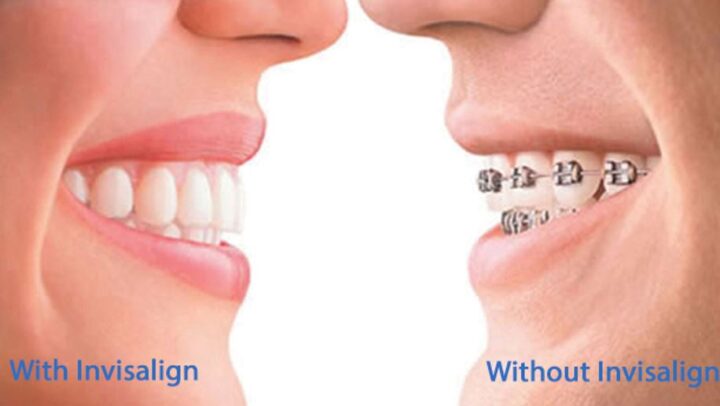
Just like metal braces, Invisalign clear aligners hold the teeth in place, allowing them to take their proper form. As the clear braces are designed to perfectly match your teeth, this system is often less painful when each tooth starts to take its place. While it is a new and innovative therapy, the results are outstanding, and the patients are so much happier during the entire process. 

Are You a Candidate for Invisalign Clear Aligners in Palos Park? 

Don’t think for a second if your teeth are “too crooked,” you will not be a candidate for Invisalign. When you want to avoid metal brackets, Dr. Sheehan thoroughly evaluates your teeth and dental concerns to determine whether Invisalign is a real option. The only way to find out is with a consultation at Sheehan Dental! In many cases, Invisalign will help those with: 

  • Overbites and underbites
  • Crowded teeth
  • Gapped teeth
  • Crooked teeth

Invisalign will make your teeth function better and look straighter. The results will mean being able to chew and clean your teeth easier. 

Eliminate the Need for Constant Check-ups with Invisalign Clear Braces at Sheehan Dental in Palos Park
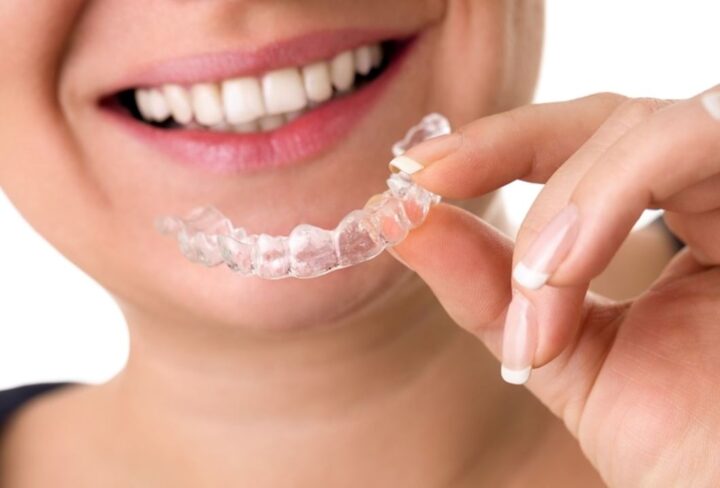
A trip to the dentist’s office is never anyone’s favorite thing to do, and once you have fitted with your Invisalign clear braces, you may only need to come in every 6 to 8 weeks. During your swift check-ups, your dentist will ensure that your teeth are progressing and answer any questions or concerns you may have. Whether you are a student or an adult, Invisalign check-ups fit into virtually anyone’s schedule. 

Investing in Invisalign is Investing Future of Your Teeth

Investing in Invisalign is not only talking about money; it is also looking at the endless benefits they boast. While the only thing similar to metal braces is the cost, considering this unique treatment is a must. Here is what you are investing in: 

  • Faster recovery times – In many cases, patients who follow their doctor’s guidelines can get their desired results almost two times quicker. 
  • Removable – One of the worst things about metal braces is that they can never be removed. Patients with Invisalign can take out their aligners when they are eating, during physical activity, and when brushing and flossing. 
  • Invisibility – Whether it is a teen in school or an adult in the workplace, the ability to straighten your teeth without others noticing is terrific. 

Are You Thinking About Invisalign in Palos Park? Contact Sheehan Dental 

We will continue to provide our patients with the best, most innovative procedures to make their path to healthier, straighter, and more beautiful teeth easier and pain-free. Invisalign is being used by thousands across the globe; it’s time you joined this exclusive community. Contact Sheehan Dental to learn more about the advantages of Invisalign and how they will change your life for the better! 
Most Common Dental Emergencies and Treatment Options

What to Do in Case of a Dental Emergency in Palos Park, IL

Healthy teeth play an essential role in the overall health of the human body, and when they suffer damages, it is a race against the clock to come up with a solution for potential emergencies. While prevention of dental emergencies via good dental care is the best way to preserve oral earth, a dental emergency can happen at any moment without warning, and if you are not sure what to do, and can lead to long-term damage. 

What are some of the most common dental emergencies? Do you know how to handle them? With a fast, immediate response, you will be able to salvage your teeth and ensure that your smile stays happy and healthy. Keep reading to learn more about the most common dental emergencies and what to do should you encounter one! 

Common Dental Emergencies

Toothache 

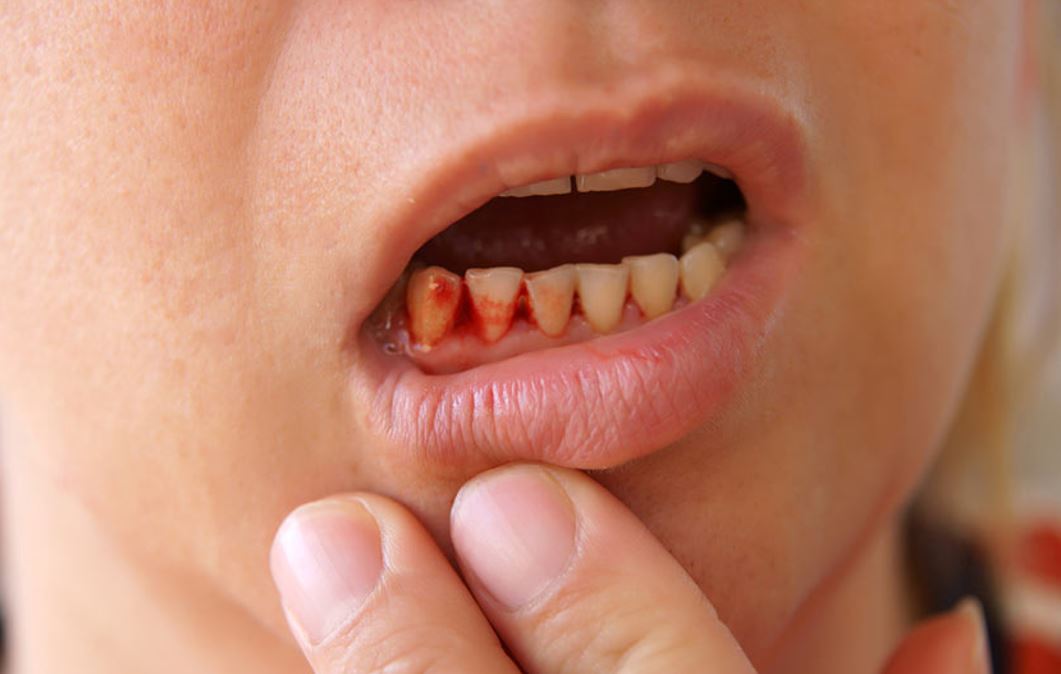
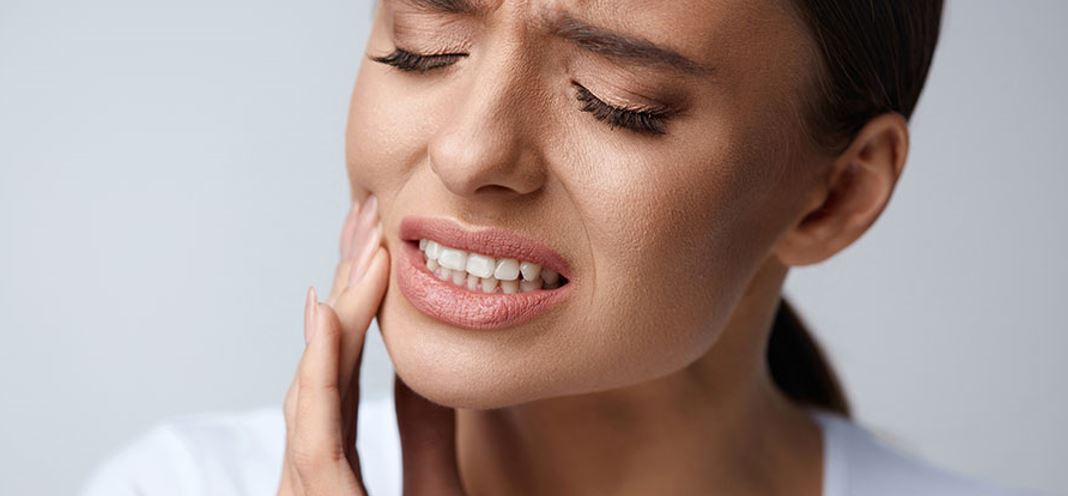
Pain in the teeth is never a good sign; it is one of the leading indicators of several conditions, one of those being tooth decay. While some toothaches are manageable and may not be considered for emergency treatment, specific symptoms like swelling, blood, and inflammation require urgent attention. We understand that when suffering from pain, it may be easy to radiate towards pain killers or aspirin, but avoid them at all costs. If they come into contact with the gums, it is possible that they can burn the tissue. Instead, take a cold compress, put it on the outside of your cheek, and immediately call Sheehan Dental for Emergency Care. 

Your treatment will depend on what is causing the pain in the tooth. Some of the most common causes of toothache include: 

  • Cavities. If a cavity is causing the toothache, your dentist will fill the cavity or take the tooth out, if necessary.
  • The need for a root canal. This is a procedure to remove and replace the infected pulp with sealing material. It may be needed if the cause of the toothache is an infection of the tooth’s nerve.

Depending on your treatment, your dentist will recommend the next steps to take following your visit. We can not stress enough how important basic oral hygiene is to prevent cavities, tooth decay, and infections that can lead to oral pain. 

Chipped or Broken Teeth

Were you recently eating, bit down on something hard, and heard a crack? Or were you playing your favorite sport and took a nasty fall to the ground? You may have a chipped or broken tooth, and if you don’t see a dentist right away, the chip or break could be permanent. First, apply a cold compress to the area close to your chipped or broken tooth to ensure minimum swelling. Depending on the severity of your chip or break, your dentist may fill the tooth or complete a procedure called bonding.

Knocked-out Tooth

Similar to how you would handle a chipped or broken tooth but only with one extra step. If you knock out your tooth, you will need to pick it up and bring it with you to the dentist. You may want to wash the tooth off, especially if it fell on the ground, but only do so if there is dirt on it. Carefully rinse it off with water and do not scrub it. Depending on the injury, there is a possibility that you can carefully put the tooth back into place as you go to the dentist, but be careful to push it deep within the pocket. If you cannot reinsert the tooth, put it in a small cup (with milk is best). This will help preserve the tooth so that your Sheehan Dentist in Palos Park, IL has time to safely put the tooth back.

Lost Filling or Crown

The main job of crowns and fillings is to restore previously damaged teeth back to optimal function and appearance. If they break or fall out, your tooth is at risk of further damage and or reinfection. Generally, the best course of action is to immediately seek a dentist’s help and not touch or try to fix the affected tooth. Once you arrive at the dentist, the dental team will carefully clean the area and ensure there is not an infection. After, they will fit your tooth for a new filling or crown. 

Broken Braces 

If there is one thing that many patients of all ages hate when it comes to their oral health is the need for braces. Though these metal brackets are designed to withstand everyday wear and tear with chewing, talking, and eating, they can experience complications. They can break or stick out, becoming extremely uncomfortable and dangerous, jabbing your cheeks and gums. Not only can this be extremely painful, but it can also actually reverse the progress in aligning and straightening the teeth if not attended to right away. To ease the discomfort before you arrive at the dentist, you can try pushing the wire into a more comfortable position or covering the end with a small cotton ball or a piece of gauze. No matter how annoying it is, do not attempt to cut the wires. 

Abscess

An abscess is a painful collection of pus that is usually caused by a bacterial infection. When left untreated, abscesses will spread to surrounding teeth and gum tissue. If you are unsure whether or not you have an abscess, you can check your gums for a pimple-like swollen spot that is painful to the touch. An abscess can directly affect the overall health of your entire body and needs to be treated right away. Immediately contact Sheehan Dental, and we will drain and clean the abscess. 

The Basics of Preventing a Dental Emergency in Palos Park, IL

  1. Always use a mouthguard! Do you like to show your love for the game but want to avoid putting your beautiful smile at risk? Then to remember to always wear a mouthguard. It will help you reduce your chances of chipping, breaking, or knocking out a tooth. Whether it is on the ice, court, or field, always make sure to wear a mouthguard and protect yourself from dental emergencies. 
  2. Watch how and what you eat at all costs. Yes, the human teeth are generally strong, but you would be surprised by just how easy they can crack or chip. Tough meat, hard candy, and unexpected surprises in food are just some of the reasons why strong, healthy teeth can break or chip. Avoid tough and sugary foods to ensure that you do not run the risk of having a negative impact on your teeth. 
  3. Avoid excessively chewing. Are you someone who finds themselves constantly biting their nails or chewing on items that are not food? Don’t worry; many people do it, but you need to try and stop it immediately. Eventually, your teeth will become worn down, leading to easy breaks, exposed gums, lack of saliva production, and so on. 

Be Prepared for When you Have a Dental Emergency in Palos Park, IL

The worst thing to happen is being faced with a dental emergency and not knowing what to do or where to go. Luckily, the experts at Sheehan Dental are always here to assist you. When you encounter a dental emergency in Palos Park, IL, contact us immediately, and we will do whatever possible to save and restore your beautiful smile. 

Types Of Dental Crowns – Everything You Need to Know

Dental crowns, also known as dental caps, play a vital role in restoring damaged, decayed, or missing teeth. When a tooth is beyond the point of being repaired with fillings or bonding, a dental crown offers a reliable solution. These restorations not only strengthen and protect compromised teeth but also enhance the overall appearance of your smile.

At Sheehan Dental, we provide personalized care to help you regain your confidence and maintain optimal dental health. Whether you need a crown for functionality, protection, or aesthetics, our expertise ensures exceptional results tailored to your specific needs.

Why Dental Crowns Are Essential

Dental crowns are a versatile treatment designed to address a variety of dental concerns. They protect teeth, restore functionality, and improve the look of your smile, making them one of the most effective solutions in dentistry.

Circumstances That Require Dental Crowns

  • Protecting Weakened Teeth: Crowns shield teeth that are cracked, decayed, or worn down from further damage.
  • Replacing Old Fillings: Teeth with large or compromised fillings benefit from the added strength of a crown.
  • Restoring Worn-Down Teeth: Years of grinding or erosion can shorten teeth, but crowns rebuild their shape and function.
  • Holding Dental Bridges: Crowns anchor dental bridges securely in place, ensuring proper alignment and stability.
  • Capping Implants: Crowns are the finishing touch for dental implants, creating a natural-looking replacement tooth.
  • Enhancing Appearance: Cosmetic imperfections such as discoloration, gaps, or uneven teeth can be corrected with crowns.
  • Post-Root Canal Support: After root canal therapy, crowns protect the treated tooth from fractures.

Missing or damaged teeth, if left untreated, can lead to complications such as shifting teeth, bite misalignment, and jawbone deterioration. Crowns not only resolve immediate concerns but also prevent long-term oral health issues.

How Are Dental Crowns Placed?

When you visit Sheehan Dental for a dental crown, you can expect a comfortable and efficient process. The procedure is designed to restore the health and appearance of your tooth while ensuring a secure fit.

The Steps to Receiving a Crown

  1. Preparation: Your dentist will numb the affected tooth to ensure your comfort. The natural tooth is shaped and filed down to create space for the crown.
  2. Impressions: After shaping the tooth, your dentist will take impressions to create a custom-fitted crown that blends seamlessly with your surrounding teeth.
  3. Temporary Crown: If your crown requires fabrication at a lab, a temporary crown will be placed to protect your tooth in the meantime.
  4. Placement: Once your permanent crown is ready, your dentist will bond it securely to your tooth, ensuring a precise fit and natural appearance.

The process prioritizes both functionality and aesthetics, leaving you with a durable, beautiful result that enhances your smile.

Different Types of Dental Crowns

Dental crowns are crafted from various materials, each offering unique benefits depending on your needs and preferences. At Sheehan Dental, we offer a variety of options to suit your dental requirements.

Metal Crowns

Metal crowns are known for their incredible durability and strength, making them ideal for restoring molars that endure heavy chewing forces. These crowns can be made from gold, platinum, or base metal alloys, and they are particularly resistant to wear and tear.

  • Advantages: Longevity, strength, and minimal wear on surrounding teeth.
  • Drawbacks: Metallic appearance, making them less desirable for visible teeth.

Metal crowns are an excellent choice for patients who prioritize functionality over aesthetics.

Stainless Steel Crowns

Stainless steel crowns are often used as temporary solutions while waiting for a permanent crown to be fabricated. They are also commonly used for children’s primary teeth as a cost-effective and durable option.

  • Advantages: Easy placement, affordability, and excellent protection for primary teeth.
  • Drawbacks: Limited to temporary use in adults due to their less natural appearance.

All-Porcelain Crowns

All-porcelain crowns are a top choice for patients seeking a natural, aesthetic restoration. These crowns mimic the color and translucency of natural teeth, making them perfect for front teeth or highly visible areas.

  • Advantages: Superior aesthetics, metal-free, and a good option for patients with metal allergies.
  • Drawbacks: Slightly less durable than metal crowns and may chip under extreme pressure.

Porcelain crowns are ideal for achieving a flawless smile while maintaining a natural look.

Porcelain Fused to Metal (PFM) Crowns

PFM crowns combine the strength of a metal base with the aesthetics of a porcelain coating. This dual-material design ensures durability while maintaining a natural appearance.

  • Advantages: Strength, natural look, and suitability for both front and back teeth.
  • Drawbacks: Over time, the metal base may become visible if gums recede.

PFM crowns offer a balanced solution for those who want strength without sacrificing aesthetics.

All-Resin Crowns

Resin crowns are an affordable, metal-free option made entirely of composite resin. While they provide a natural appearance, they are less durable than other materials.

  • Advantages: Cost-effective, aesthetic, and easy to repair.
  • Drawbacks: Prone to chipping, cracking, and wear over time.

Resin crowns are best suited for temporary use or for patients seeking a budget-friendly solution.

Choosing the Right Crown for You

Each type of dental crown offers unique benefits and is suited to different needs. Your dentist at Sheehan Dental will evaluate your specific situation, preferences, and budget to recommend the best option for you. Factors such as the location of the crown, your bite strength, and your aesthetic goals all play a role in determining the right choice.

The Long-Term Benefits of Dental Crowns

Dental crowns do more than restore individual teeth—they also contribute to overall oral health and quality of life.

  • Improved Confidence: A beautiful, natural-looking crown can enhance your smile and boost self-esteem.
  • Preservation of Oral Health: Crowns protect teeth from further damage, preventing the need for extractions or more extensive treatments.
  • Enhanced Functionality: With a crown, you can chew, bite, and speak comfortably without worrying about tooth sensitivity or instability.
  • Durability: When cared for properly, crowns can last for many years, making them a worthwhile investment in your oral health.

Trust Sheehan Dental for Your Dental Crown Needs

At Sheehan Dental, we understand the importance of restoring your smile with precision and care. Whether you need a crown for health, functionality, or cosmetic reasons, our experienced team is dedicated to providing personalized solutions that meet your needs.

Contact us today to schedule a consultation and learn more about how dental crowns can improve your smile and quality of life. Let Sheehan Dental help you start the new year with a smile you’ll love to show off!

Brushing & Flossing best practices

Brushing & Flossing best practices

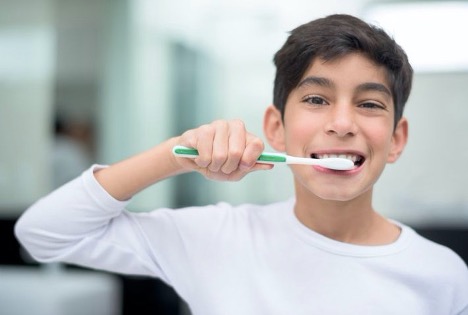
Do you remember a time when you weren’t brushing and flossing your teeth? This should be a lifelong habit that you developed as a little kid so most of us do it almost automatically: wash your face, brush & floss your teeth, go to bed. Get up, brush your teeth, and comb your hair. They are common rituals for most of us. But you’d be surprised how many questions we get about brushing and flossing – it turns out it’s more complicated than we all give it credit for! Take a look at some of our favorite questions (and answers) about the all-important brushing and flossing.

How Many Times Should I Brush My Teeth Each Day?

We would love to hear that everyone brushes their teeth after every meal and snack (and sugary drink!) but we know that’s not always possible for everyone. At minimum, we want you to brush twice a day – once in the morning and once at night. If you have braces, dentures, or are cavity-prone, we highly suggest that you make an effort to brush every time you eat or drink (other than water).

If I Brush My Teeth at Night, Why Do I Have to Brush Them in the Morning Again?

Even if you haven’t eaten between brushing your teeth at night and brushing in the morning, it’s still really important to brush in the morning. Overnight, bacteria have been able to grow in your mouth – that’s what morning breath is! So get scrubbing and get those bacteria out and get a nice, fresh mouth, first thing in the AM.

When Should I Floss?

If you only floss once a day, it should be at night, when you brush your teeth before bed. This assures that little food particles that have gathered up during the day won’t get a chance to spawn extra bacteria between your teeth while you sleep. That being said, we are all for more frequent flossing! Many people like keeping a stash of the one-time-use mini flossers at work, in the car, or in their gym bag. Then you can do a quick floss every time you eat and make sure there’s nothing embarrassing hanging around in your teeth.

Are Electric Toothbrushes Better Than Regular Ones?

Studies have shown that electric toothbrushes give a slight advantage when it comes to reducing plaque and gingivitis. That being said, we’d rather you brush carefully for a full 2 minutes with a regular toothbrush than brush in a rush with an electric toothbrush. Also, be careful not to brush too hard with an electric toothbrush – you don’t want to damage your enamel. This is important with a regular brush as well, but it’s easier to unknowingly abuse yourself with an electric toothbrush than it is with a regular one.

One caveat to this: if you have arthritis or dexterity issues, an electric toothbrush may make it much easier for you to brush your teeth.

What’s the Best Regular Toothbrush?

Toothbrushes are pretty personal items – literally and figuratively! While we generally encourage everyone to use a soft-bristled toothbrush, the shape and size is up to you. What shape and size fit your mouth and allow you to adequately brush all of your teeth? That’s the right one for you. If you need help selecting the right toothbrush for you or your child, let us know – we’ll be happy to assist.

What’s the Best Toothpaste?

Paste or gel? Spearmint or cinnamon? Whitening or regular? There are a lot of choices out there! How do you choose? First of all, look for the American Dental Association (ADA) seal of approval. This assures you that the toothpaste has been tested and proved to be effective. From there, you might want to consider your tooth-brushing goals. If you have sensitive teeth, choose something that helps with sensitivity. Fluoride is also important, especially if fighting cavities is high on your priority list. Natural toothpastes are also fine, but it’s just as important to look for the ADA seal on these toothpastes as it is on others. For instance, Tom’s of Maine has a great line of all-natural, herbal toothpastes that are approved by the ADA.

Do I Need to Use Mouthwash?

You’ve brushed. You’ve flossed. You’re done. Or are you? Many people ask us if mouthwash is really necessary if you’ve done a good job brushing and flossing. Mouthwash can be effective for people who brush and floss regularly but still have problems controlling plaque. For some people, an antibacterial mouthwash may help stave off periodontal disease. There are few cases in which using mouthwash is harmful, but whatever you do – do NOT substitute brushing and flossing with only using mouthwash!

Don’t Go To Bed Without Brushing Your Teeth

It is no secret that general recommendations from dentists around the world are that you brush at least twice a day, but how important is brushing before you go to sleep? Dentists recommend that you brush twice a day, over brushing and not brushing enough are both serious problems. If you do not brush before you go to bed, everything you ate and drank during the day can lead to plaque buildup that will attack your teeth as you sleep.

Use a Fluoride Toothpaste

Going to the supermarket and searching for toothpaste can be overwhelming; there are so many products to choose from. When it comes to toothpaste, there are so many different elements that come into play than looking for the one that has the best flavors and whitening power. When you go looking for toothpaste, make sure that it includes fluoride. Fluoride is a leading defense against tooth decay. It works by fighting germs that lead to decay while providing a protective barrier for your teeth. 

Why Brushing Your Teeth is So Important

Taking care of your teeth starts at home! Brush and floss your teeth at least twice a day. There are so many reasons why regular and consistent brushing is essential, and they include: 

Preventing Gum Disease: Failing to brush your teeth will lead to the build-up of plaque filled with bacteria. This plaque will lead to Gingivitis and eventually gum disease. Brushing will help prevent this from happening. 

Maintaining Fresh Breath: No one ever wants to have to deal with bad breath, and the best way to keep smelly breath away is to brush! 

Prevention of Cavities and Tooth Decay: The acidity in plaque ruins the enamel surface of your teeth, and this will cause decay and cavities that will lead to intense pain and sensitivity. 

Brushing your teeth is undeniably one of the most important habits that need to be part of your daily routine. Ask your dentist at Sheehan Dental about more steps you can take to keeping your teeth clean and healthy.

Should you Choose a Hard or Soft Toothbrush?

A common myth is that hard toothbrushes are better at scrubbing plaque away than soft brushes. But, in reality, hard brushes can actually work against helping your teeth and gums. Avoid scrubbing your teeth as hard as possible and instead, aim to remove the plaque gently. Use a soft toothbrush to get the job done. It will protect your enamel, gums, and teeth while keeping your mouth sparkling clean. 

Non-Surgical Periodontal Therapy

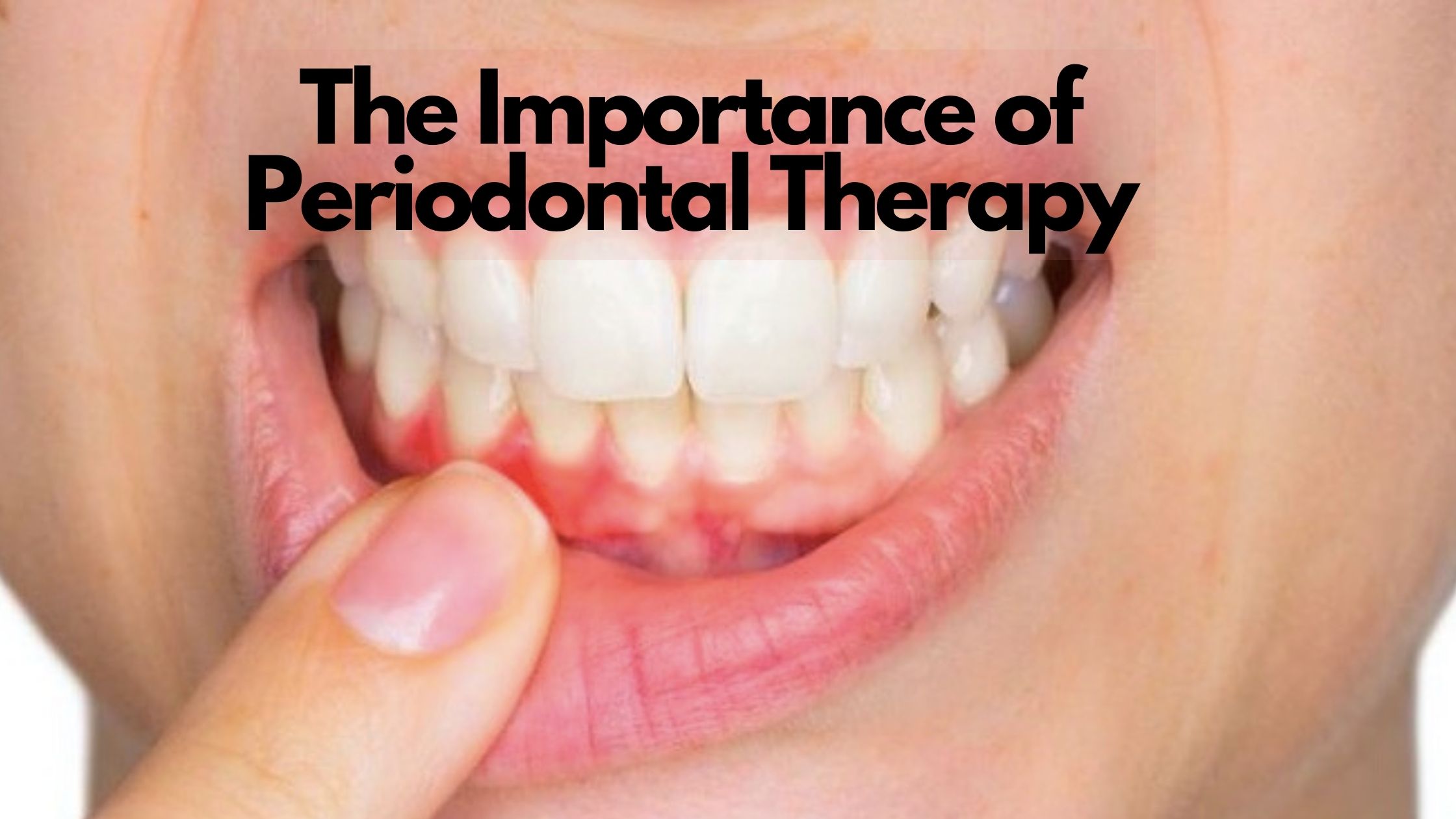
Recent studies show that 47.2% of adults aged 30 years and older have some form of periodontal disease. Unfortunately, although many people are aware of the importance of healthy teeth, not many are aware of the health of their gums and the greater impact it has on the overall health of the body. The truth is that the gums are no less important than your smile. Periodontal disease, commonly known as gum disease, is one of the leading causes of tooth loss. Luckily, there are several effective periodontal therapies in Chicago that can prevent tooth loss, keeping your smile healthy. 

Why Are Healthy Gums So Important? 

Your oral health depends on your gums. The tissue in the gums and jawbone support your teeth, keep them in place, and give them stability. Even if you have been keeping up with your daily dental routine and have never had something as little as a cavity, teeth can still fall out when the gums are not healthy enough to sustain the weight of your teeth.  Continue reading “Non-Surgical Periodontal Therapy”