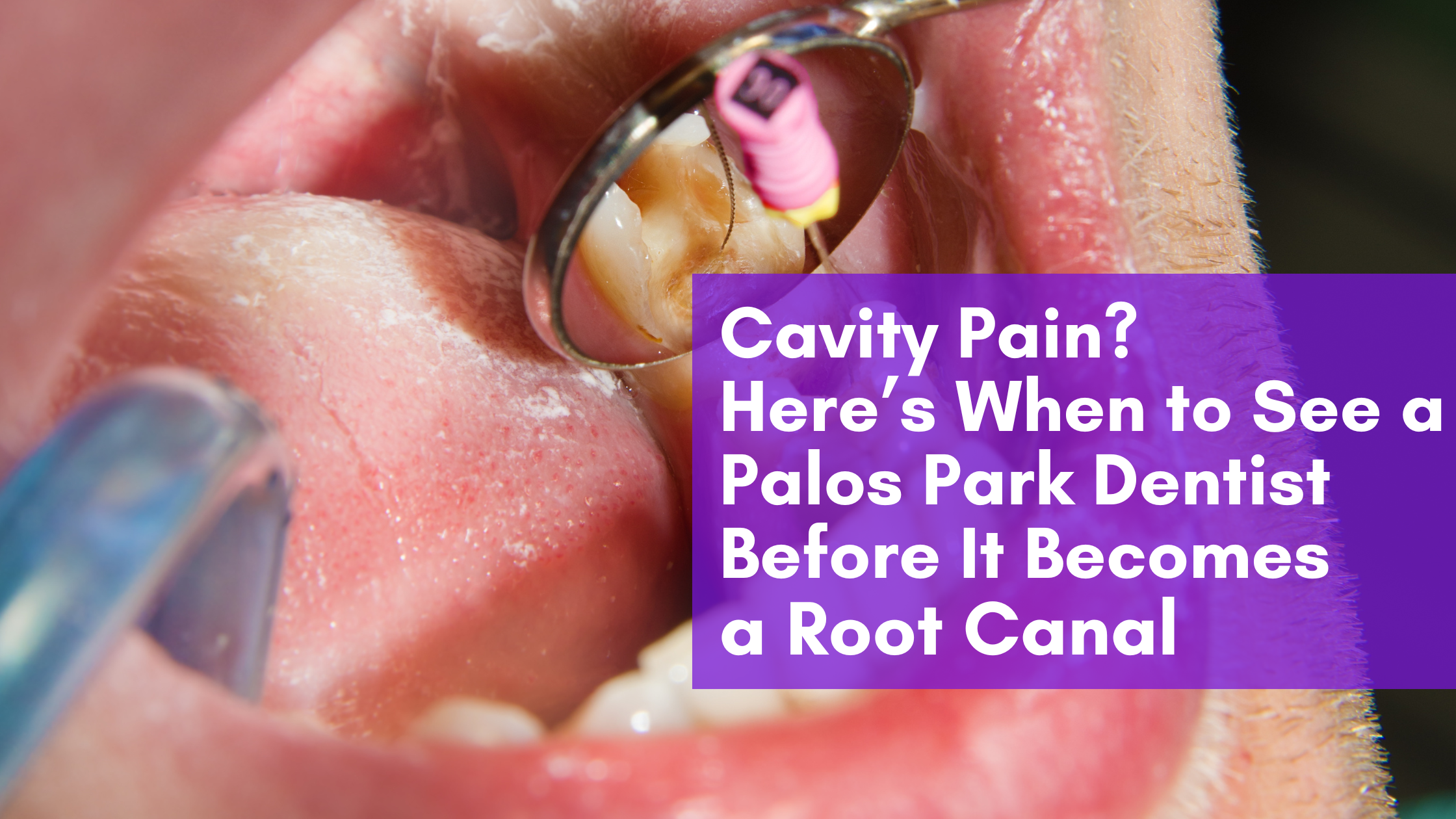
Dental Cavity Pain or Tooth Decay? When to Visit a Palos Park Dentist Before It Becomes a Root Canal

Cavity Pain Vs. Tooth Decay: Understanding the Difference

Cavity pain turns into a root canal when the tooth decay has spread deep enough to reach your tooth’s nerve, causing sharp, throbbing pain. 

How do you know it’s cavity pain vs when it’s not? 

Cavity pain is quick and goes away immediately, while tooth decay lingers. Not only is it noticeably more painful, but it can even wake you up in the middle of the night. 

If this sounds like where you’re at right now, this dental health guide is for you. 

At Sheehan Dental, our Palos Park family dental clinic, we see this all the time: someone ignores “little” cavity pain, hoping it will fade, and then one day the pain is so bad that a root canal is the only way to save the tooth. 

The good news? If you come in early for a dental checkup, a root canal may be avoided.

Worried Your Cavity Pain Might Turn Into a Root Canal?
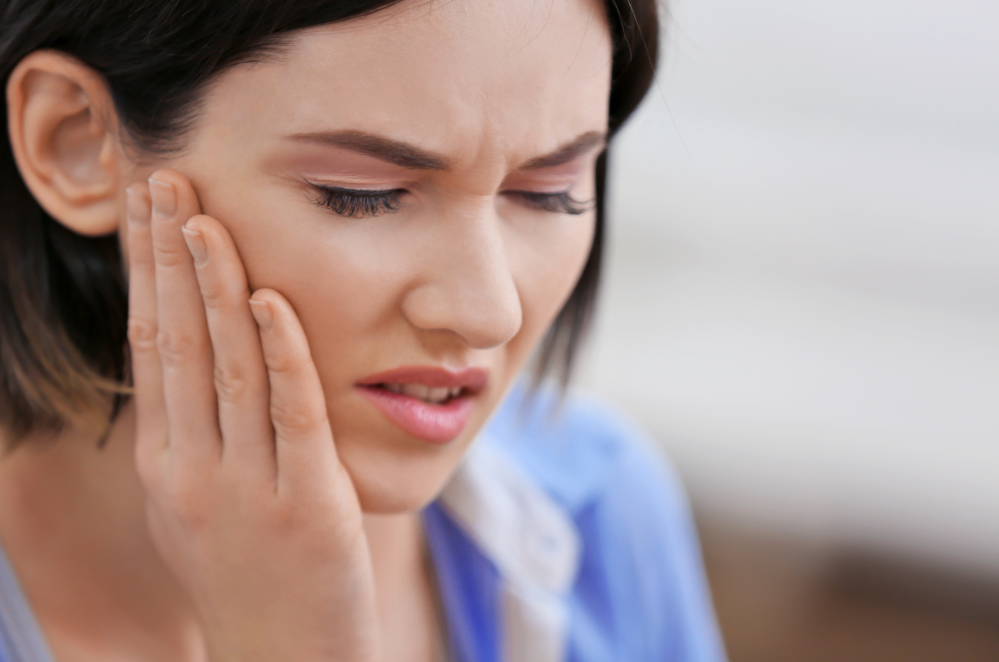
Cavity Pain Root Canal Dentist Near Palos Park, Palos Hills, & Palos Heights

“It hurts sometimes, but not that bad. Do I really need to see a dentist right now?”

That’s probably what you’re thinking, right? 

Here’s the reality, backed by research:

>Before the decay spreads is when you want to see your local dentist. 

What Cavity Pain Really Means 

A cavity is a tiny hole caused by tooth decay.

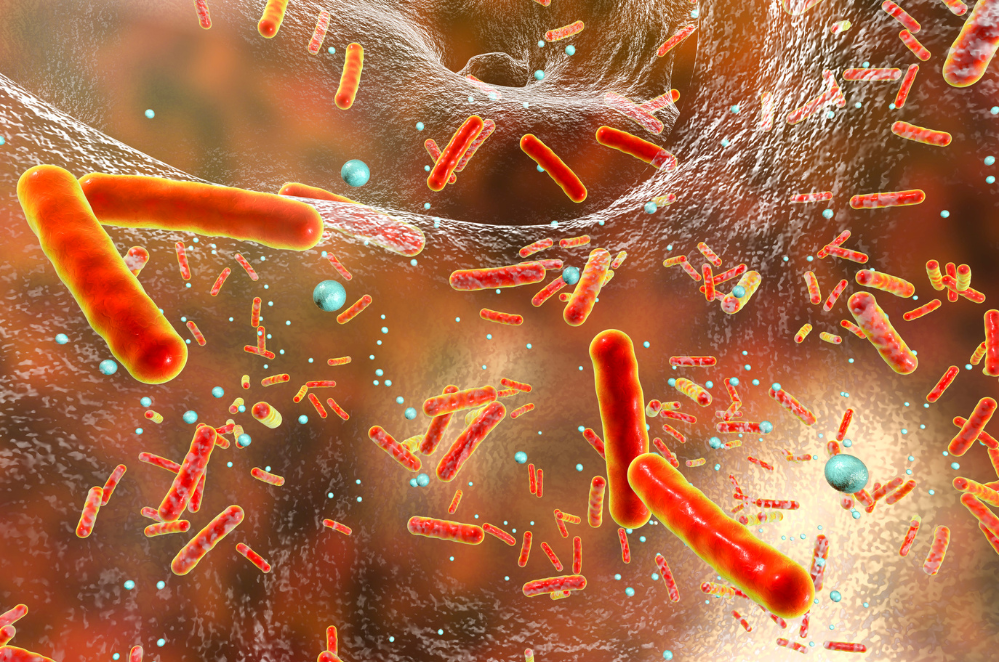
Bacteria in your mouth feed on sugar, make acid, and slowly eat through the hard outer enamel of your tooth. 

At first, you may feel nothing. Then, as the cavity gets deeper, you start to notice cavity pain.

Early cavity signs you might shrug off

According to sources like Mayo Clinic and Cleveland Clinic, early and moderate cavities often show up as: 

  • A dull ache that comes and goes
  • Mild sensitivity to cold water or ice cream
  • A small visible dark spot or pit on the tooth
  • A quick, sharp twinge when you eat sweets

These symptoms are annoying, but they’re also a warning sign. At this stage, the treatment we use here at Sheehan Dental Palos Park is usually simpler: a dental filling sometimes with fluoride support, and no root canal.

Pain signals that mean “Call a Palos Park dentist now

If you notice any of these, you should schedule a dental checkup at Sheehan Dental as soon as possible:

  • Pain when you bite or chew
  • Pain that lingers after hot or cold
  • Swelling in the gums near the tooth
  • Throbbing pain that wakes you at night
  • A pimple-like bump on the gums (can signal an abscess)

These are classic signs that decay may have reached or irritated the nerve (pulp) of the tooth, a condition called pulpitis.

That’s when root canal treatment often becomes necessary to save the tooth.

Why Waiting on Cavity Pain Can Lead to a Root Canal

One of our patients at Sheehan Dental tried “waiting out” cavity pain. 

The result? The cavity spread to his upper left back tooth and a root canal treatment was needed to prevent further damage. 

Tooth decay doesn’t happen immediately, though. Cavity pain is just the start. But when you wait it out and neglect proper dental habits, this is what happens: 

  1. Decay reaches deeper in your teeth.
    The cavity moves from the outer enamel into the softer dentin and toward the nerve
  2. The nerve becomes inflamed (pulpitis).

This inflammation causes sharp or throbbing pain. If it becomes irreversible, a simple dental filling can’t stop the inflamed area. 

  1. Infection spreads beyond the root.

If left untreated, infection can move into the bone around the tooth and form an abscess, which is painful and can cause swelling.

  1. Enter root canal territory.

A root canal is needed when the inside of the tooth (pulp) is inflamed or infected due to deep decay, cracks, or repeated procedures.

Dental Health Check-Ups: “Wait and See” vs “Treat Now”

If you… What often happens Risk
Ignore mild cavity pain Decay keeps spreading silently Higher chance of needing a root canal or extraction
Use only sensitive-tooth toothpaste May mask symptoms but doesn’t remove decay You feel better for a bit while damage continues underneath
Get a dental checkup early A dentist treats the cavity while it’s small Often fixed with a simple filling and less cost/time

There’s also evidence that people often come in very late—after trying home fixes—once the nerve is already badly damaged and a root canal is the only option.

What Happens During Dental Cavity Checkups at Sheehan Dental in Palos Park
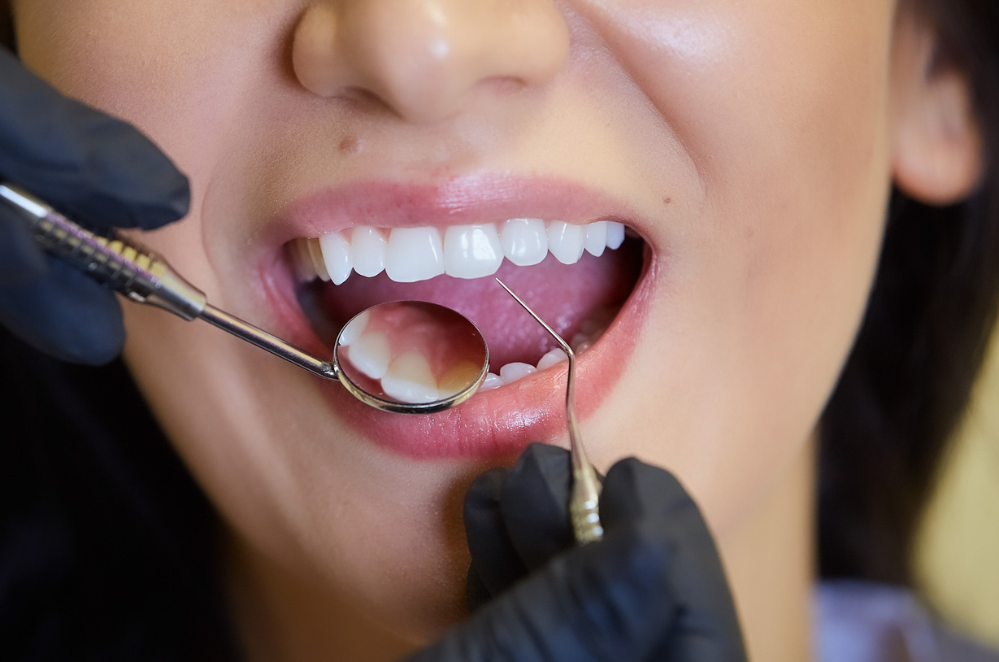
Cavity Dental Checkup at Sheehan Dental in Palos Park

If you’re considering a dental checkup, here’s what to expect from our Palos Park clinic: 

Step-by-step: Your visit to our family dental clinic

  1. Friendly welcome and quick forms
    We confirm your health history, medications, and any pain you’re having.
  2. Conversation about your cavity pain
    You can describe when it hurts, what triggers it, and how long it’s been going on.
  3. Gentle exam of your teeth and gums
    Dr. Michael Sheean checks for soft spots, visible cavities, and areas that hurt when gently probed, as recommended by diagnostic guidelines.
  4. X-rays if needed
    X-rays show how deep the cavity is and whether it’s close to the nerve
  5. Treatment options and timing

You’ll leave knowing:

  • What your cavity looks like
  • How urgent it is
  • What it will take to fix it (filling, crown, or root canal)

If you’re nervous or haven’t been to the dentist in years, that’s perfectly okay. Sheehan Dental has built its reputation on gentle, family dentistry in Palos Park, Palos Heights, and Orland Park since 2001.

Cavity Treatment Options at Sheehan Dental (From Small Fix to Root Canal)

Since cavity pain can range from mild to severe, the dental treatment for each case varies. 

Here’s how cavity treatment usually works, based on established guidance from groups like the American Dental Association.

1. Early decay

If the cavity is just starting and has not broken through the enamel:

2. Small to medium cavities: fillings

Most people with cavity pain usually sit here.

  • The decayed part of the tooth is removed.
  • A dental filling (often tooth-colored) is placed to restore shape and function.
  • You leave our family dental clinic the same day with the tooth sealed.
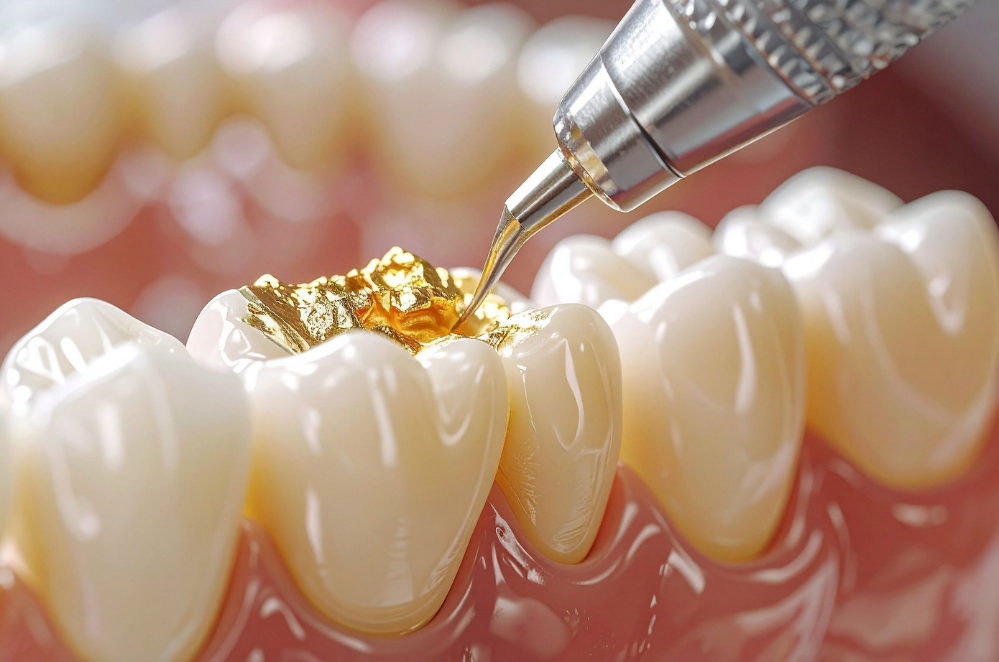
Cavity Treatment Options at Sheehan Dental (From Small Fix to Root Canal)

3. Large cavities: fillings or crowns

If a big chunk of tooth is missing or weak:

  • A larger filling, inlay, or crown may be needed to protect it from cracking.

4. Deep decay or nerve damage: root canal

When the decay reaches the pulp and causes infection or severe inflammation, root canal treatment may be the only way to save the tooth.

  • The infected or inflamed pulp is removed.
  • The inside of the root is cleaned, disinfected, and sealed.
  • A crown is often placed to protect the tooth.

If infection is severe or the tooth is badly broken, tooth extraction may be an alternative option, but the goal is always to save your natural tooth when possible.

Not Sure If You Should Call? Use Our Sheehan Dental Cavity Pain Checklist

If you answer “yes” to any of these, it’s time to book a dental appointment: 

  • Do you see a dark spot, chip, or hole in your tooth?
  • Do you feel a sharp, throbbing pain when you bite or chew?
  • Does one tooth hurt more than the others with hot, cold, or sweets?
  • Does the pain last more than a few seconds after the trigger is gone?
  • Have you tried sensitivity toothpaste or home fixes for more than a couple of weeks with no real relief?

If you’re on the fence, lean toward early. Dental research shows that catching decay early leads to simpler, less invasive treatment and better long-term outcomes.

Why Palos Park Families Choose Sheehan Dental for Cavity Pain
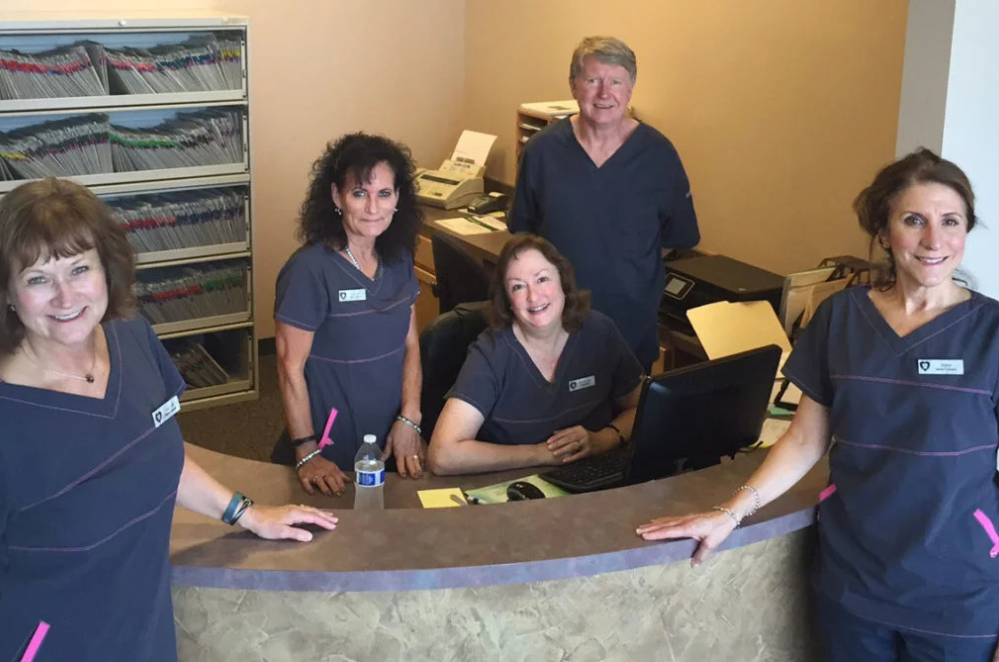
Why Palos Park Families Choose Sheehan Dental for Cavity Pain

There are plenty of dentists between Palos Park, Palos Heights, and Orland Park. But here’s why Sheehan Dental has been a trusted family dental clinic for decades: 

1. Family and Pediatric Dental Clinic Since 2001

Dr. F. Michael Sheehan has been serving the community since 2001, treating everyone from young kids to seniors in one place.

That means:

  • One family dental clinic for checkups, fillings, and root canals
  • A team used to helping nervous patients and kids
  • Evening and Saturday hours for busy families

2. Patient-Centered Approach With Customized Dental Treatment Plans

The core service at Sheehan Dental’s is our patient-centered approach. We take the time to get to know each of our patients personally, understanding their dental goals and needs because that’s how cavities get caught early, before they cause big problems. 

3. Convenient Palos Park location

Our office sits on the border of Palos Park and Palos Heights, near the southeast corner of College Drive and Route 7, at 11901 S 80th Ave, Suite D, Palos Park, IL 60464.

So if you’re coming from Lake Katherine, Swallow Cliff, or nearby neighborhoods, you’re just a short drive away.

FAQs About Cavity Pain, Dental Checkups, and Root Canals

1. Can cavity pain go away on its own?

Sometimes the pain may go away for a while, especially if you avoid chewing on that side or switch toothpaste.

But that doesn’t mean the cavity is gone. Ignoring cavity (even with the right dental habits) doesn’t eliminate cavity. Decay does not heal itself. The evidence is clear: untreated cavities keep progressing and can lead to serious infection.

2. Does cavity pain always mean I’ll need a root canal?

No, cavity pain doesn’t always lead to a root canal. 

If you come in while the cavity is still in the outer layers of the tooth, a filling is usually enough. Root canals are typically needed when the decay reaches the pulp and causes deep infection or irreversible nerve damage.

3. What if my tooth is just “sensitive,” not painful?

Sensitivity to hot, cold, or sweet foods can mean either a worn enamel, gum recession, or a cavity.

Experts recommend getting sensitive teeth checked by a dentist, especially if the sensitivity lingers after the trigger is gone, because it can signal deeper nerve problems if ignored.

4. Is it safe to treat a cavity or have a dental checkup during pregnancy?

Yes, for most people, preventive, diagnostic, and restorative dental treatment is considered safe throughout pregnancy, according to the American Dental Association and organizations like ACOG and the World Dental Federation.

Cleanings and needed fillings are recommended so small problems don’t turn into painful infections later in pregnancy.

If you’re pregnant or planning to be, let the Sheehan Dental team know so they can tailor X-rays and medications to what’s safest for you and your baby.

Always talk with both your dentist and your physician if you have a high-risk pregnancy or complex medical conditions.

Ready to Stop the Cavity Pain Before It Becomes a Root Canal?

If you’re reading this and thinking, “This is exactly what I’m dealing with,”

  • Call Sheehan Dental at 708-671-1510
  • Or schedule a dental appointment online at Sheehan Dental 
When you come into our Palos Park family dental clinic, our first goal is not to lecture you.

Our goal is to:

  • Find out what your cavity pain really means
  • Treat it as simply as possible
  • Help you avoid a future root canal whenever we still can

If you suspect you have cavity, let’s treat the pain early!
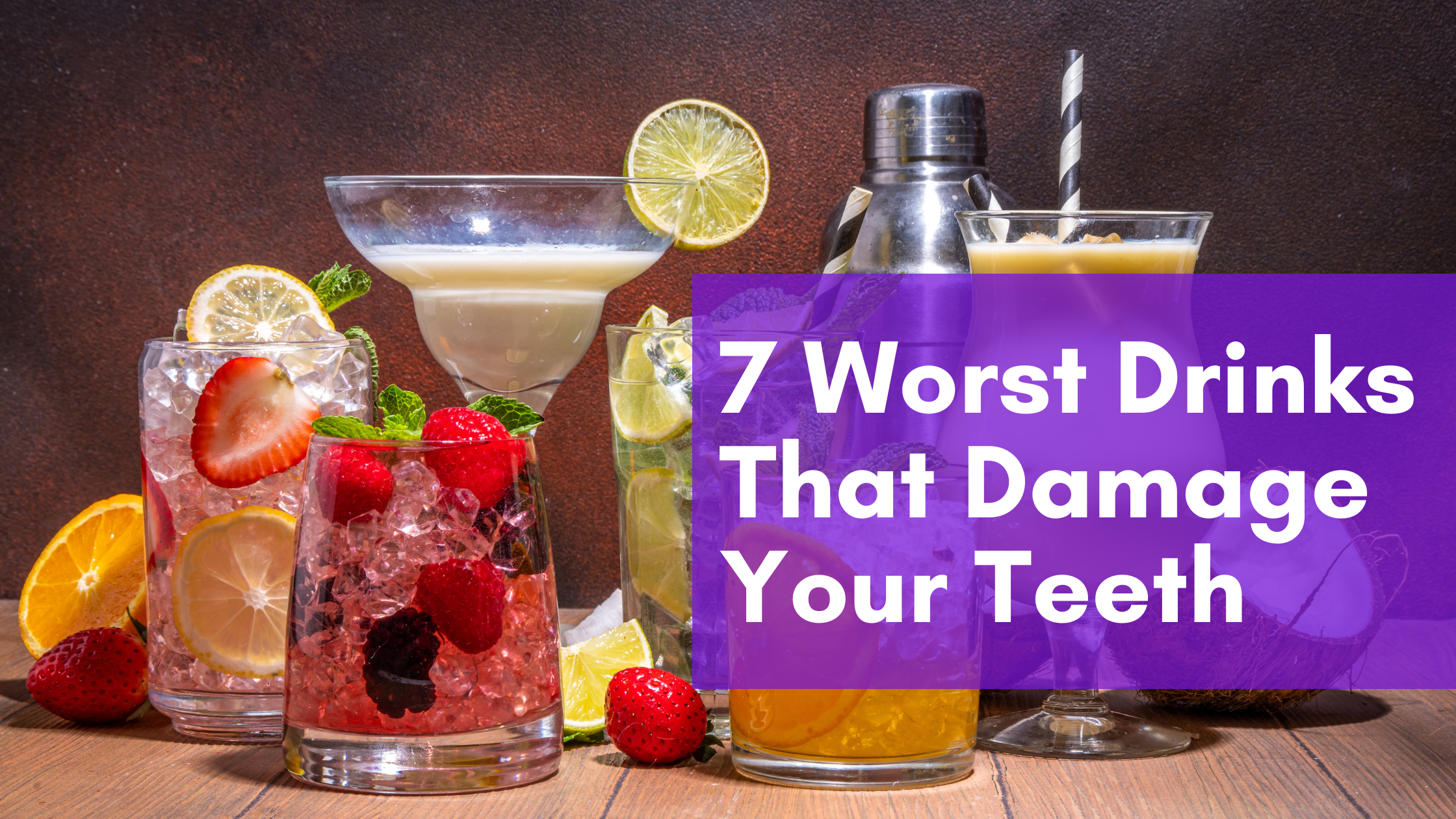
Tooth Discoloration Damage: Causes & Treatments Near Palos Park

Drinks That Damage Your Teeth & Gums

Achieving a brighter, more confident smile often begins with understanding the everyday habits that can impact the color and health of your teeth. One of the most significant factors contributing to discoloration and stains is the consumption of certain beverages.

Most Harmful Beverages for Oral Health

After countless teeth whitening procedures we’ve performed here at Sheehan Dental Palos Park, we’ve discovered 7 of the worst drinks that damage your teeth and gums.

Sodas, coffee, sports drinks…you’ve probably heard about these already, but there’s one drink most wouldn’t think to be damaging. By becoming aware of these culprits, you can make informed choices that protect your pearly whites and enhance the longevity of your whitening treatment.

“Worst Drinks for Your Teeth” Summary

This summary will give you all the key insights you need in less than a minute. We’ll explore which drinks are the primary offenders and how they contribute to staining and enamel erosion, setting the stage for a healthier, brighter smile.

Worst Drinks to Avoid (Highlights)

  • Biggest enamel risks: Acid + frequency (not just sugar). Sodas, energy drinks, citrus juices, and wine are notably acidic; frequent sipping amplifies erosion.
  • Cavity risk: Sugary beverages (regular soda, sweet teas, juice, sports drinks) feed bacteria that make acid, leading to cavities.
  • Stain risk: Coffee, tea, and red wine stain; teeth whitening helps, but proper dental habits are still the golden rule. (Evidence varies; acidity plus chromogens drive staining.)
  • Sparkling water: Generally okay if plain and not lemon/lime flavored; much safer than soda
  • Best defense: Rinse with water, limit sip time, drink with meals, use a straw for sugary/acidic drinks, and the most important, wait ~20–30 min before brushing, and use fluoride.

In our experience, teeth damage tends to come from how often and how long teeth are bathed in acids/sugars.

All-day sipping” is worse than a short, occasional treat.

How to Keep Your Teeth White & Healthy?

Maintaining white and healthy teeth begins with identifying beverages that lead to discoloration and stains. This should be followed by regular dental cleanings to promote optimal oral hygiene.

  • Avoid Staining Foods and Drinks: Coffee, tea, red wine, and cola are notorious for staining teeth. Try drinking through a straw or rinsing your mouth with water immediately after consumption.
  • Good Oral Hygiene: Brush twice daily using whitening toothpaste and floss regularly to minimize plaque build-up and prevent stained teeth.
  • Regular Dental Checkups: Schedule dental cleaning sessions every six months with your Palos Park dentist to keep your teeth healthy and white.

What Are Your Best Teeth Whitening Solutions Near Palos Park?

Choosing teeth whitening means investing in yourself. You’ve come to the right place for maintaining a white and healthy smile near Palos Park, IL. You’ve got two options:

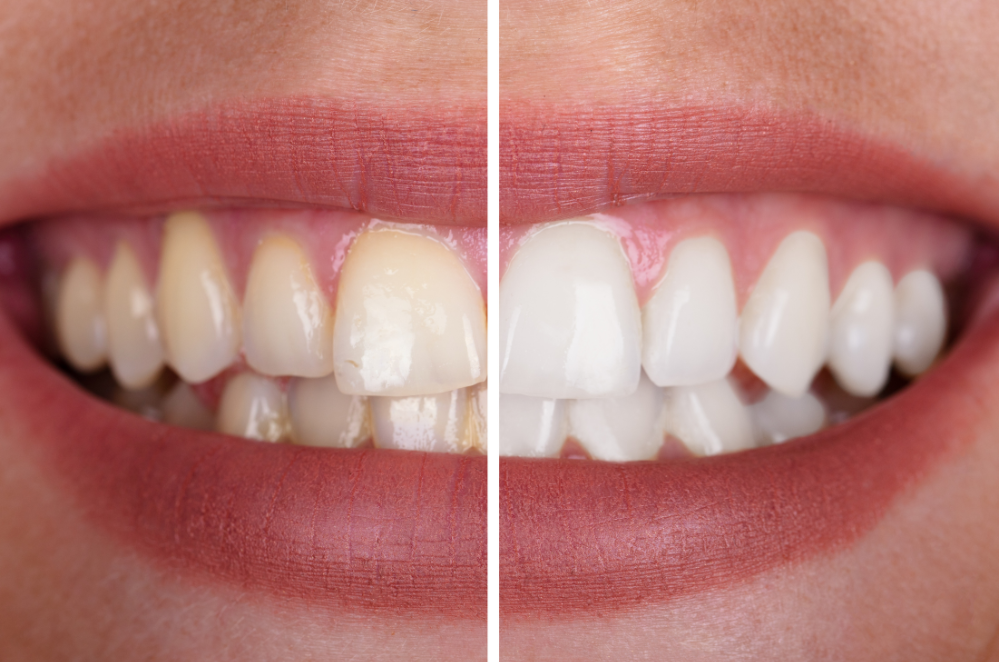
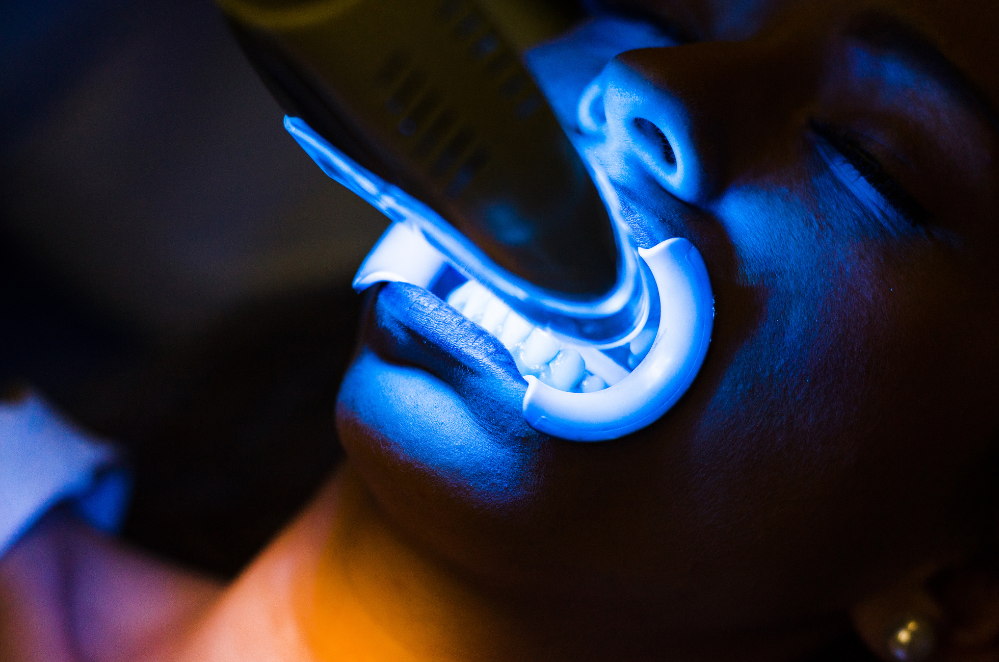
  • Professional Teeth Whitening Treatments: At Sheehan Dental in Palos Park, we use treatments with high-concentration bleaching agents that can significantly whiten teeth in just one session. Depending on the severity of the discoloration or stain, you might need one or two additional teeth whitening sessions.
  • At-Home Kits: At-home kits are convenient, cost-effective, and available at most pharmacies in Palos Park. Look for kits that contain carbamide peroxide for effective results. However, these won’t work on deeper teeth stains.

Both teeth whitening options are effective, but if you haven’t had a dental checkup in a while or have a deep stain/a lot of plaque and tartar, a professional teeth whitening treatment is more effective.

Now, let’s dive deeper into each option and take the first step toward making healthier, whiter, and lasting impressions.

7 Drinks That Damage Teeth

1) Regular & Diet Soda Such as Cola or Citrus Sodas Create the Worst Cavities

  • Why harmful: Highly acidic (carbonation + acids). Regular soda adds sugar, feeding cavity-causing bacteria; diet soda keeps the acid. Frequent intake = erosion and cavities. The worst part? Teeth whitening treatments aren’t always enough to treat intrinsic tooth stains. These are caused by darker colored beverages like soda or coffee.
  • Safer swaps: Plain sparkling water (unflavored), still water, milk.

2) Energy drinks and pre-workout shakes that are high in sugar 

  • Why harmful: Often low pH and sometimes high in sugar. They’re also linked in studies to enamel surface softening and hardness loss (in vitro).
  • Safer swaps: Water + electrolytes without acids/citrus flavoring; check labels for citric/phosphoric acid.

3) Lemon water, despite its wide benefits makes your teeth look more yellow

  • Why harmful: Naturally acidic (even without added sugar). Routine exposure increases erosion risk. It also has a pH of around 2.0–2.6, which is roughly the same acidity as cola.
  • Safer swaps: Dilute with water; limit to mealtimes; rinse with water after.

4) Kombucha and coconut water are slightly acidic

  • Why harmful: They’re healthy and taste great but their pH levels sit between 2.5 to 4.0, making them slightly acidic.  While these are safer alternatives than soda, the biggest risk is they accelerate the staining process, making it harder for teeth whitening treatments to work.
  • Safer swaps: Water; if needed, choose low-acid, low-sugar options and keep them to workouts.

5) Wine (especially white) has high teeth staining qualities

  • Why harmful: Acidic and stain-promoting (red has chromogens (one of the biggest causes for teeth stain, along with tannins). White wine is also more erosive because it’s more acidic.
  • Safer swaps: Alternate sips with water; avoid brushing immediately after tastings.

6) Unsweetened iced tea and sweet coffee 

  • Why harmful: Don’t let the label “unsweetened” fool you. Most of these unsweetened iced teas still contain citric acid. Coffee also has dark pigments, just as we mentioned earlier, that create intrinsic teeth stains and tougher teeth whitening treatments.
  • Safer swaps: Drink promptly, add dairy, and rinse with water.

7) Flavored sparkling waters and viral “healthy sodas” (e.g., balsamic + seltzer)

  • Why harmful: Flavorings often add acid; vinegar-based trends are also very acidic, sitting between a pH level of 2.9 to 3.5. The ADA has cautioned about acidic, sugar-free “alt sodas.” Plain sparkling water, by contrast, is typically fine.
  • Safer swaps: Unflavored seltzer or still water; skip the vinegar hacks.

Is Teeth Whitening Enough to Treat Damaged Teeth? 

(pH and Sugar Levels at a Glance)

Teeth whitening is effective for surface stains.

Teeth bleaching treatments and cosmetic dental options like veneers are more effective if you have deep stains, or a lot of tartar and plaque. Take note though, that harder teeth stains require professional dental cleaning. The reason being, that plaque needs to be removed first to prevent the spread of bacteria and tooth decay.

Teeth whitening or veneers typically come after all the plaque/cavities has been removed.

For reference, below are tables showing the pH levels and sugar levels for different beverages. This should give you an idea of how damaging they can be when we aren’t careful.

Drinks That Can Damage Teeth & Gums (pH levels)

Drink Approximate pH Primary Enamel Threat
Dark Sodas 2.5–3.5 Phosphoric acid erosion
Orange and Citrus Juices 3.0–4.0 Citric acid demineralization
Kombucha and Vinegar Tonics 2.9–3.5 Acetic acid softening
Sports and Energy Drinks 3.0–4.0 Organic acid plus sugar

Sugar Content:

Drink Sugar per 12 oz Bacterial Acid Production
Regular Soda 35–45 g High
Fruit Juice (e.g., Orange) 20–25 g Moderate to High
Sweet Tea 20–30 g High
Sports Drink 15–25 g Moderate
Kombucha (Flavored) 8–15 g Moderate

Top Indicators: When to Consult Your Local Dentist

For professional teeth whitening services in Palos Park or if you are considering dental treatment or cleaning in the area, please note the following indicators that suggest a dental appointment is advisable:

  • Deep Stains: Think any dark beverage. The tannins and chromogens in these drinks create deeper intrinsic teeth stains. The same goes for smoking, or certain medications.
  • Sensitivity to Cold/Visible Notches: Sensitivity to cold, visible notches near the gumline, chalky spots, or recurrent cavities.
  • Uneven Coloring: Professional teeth whitening in Palos park provides a more uniform result if your teeth have developed uneven discoloration.
  • Upcoming Special Events: Planning for a wedding, graduation, or an important presentation? A dentist-administered whitening session can definitely help

Book a quick dental consultation with Sheehan Dental. We’ll review your beverage habits and customize a plan (and whitening schedule) that fits your life.

Top Benefits of Early Consultation at Sheehan Dental in Palos Park

Seeing a dentist at the first signs of discoloration can prevent more extensive issues later.

  • Customized Solutions: Not all stains are created equal. At Sheehan Dental, we recommend the most effective treatment based on the cause and severity of your discoloration.
  • Protecting Oral Health: Our teeth whitening treatment in Palos Park not only enhances your smile aesthetically but also focuses on oral health, identifying any underlying issues before they worsen.
  • Long-lasting Results: Professional treatments typically offer longer-lasting whitening effects compared to over-the-counter options.

Sheehan Dental: Most Frequently Asked Questions 

Teeth Whitening FAQs & Things to Know

What is the average price to get your teeth whitened in Palos Park?

Teeth whitening costs in Palos Park can range from $200 to $1,000. Factors influencing price include the method you opt for. Professional treatments, for example, typically cost more because they’re more extensive.

How much do teeth whitening at-home kits normally cost in Palos Park?

Teeth whitening kits vary by type. Most DIY kits sit between $20-$100. Make sure to look for carbamide peroxide since it’s effective for treating light teeth stains.

How long do teeth whitening treatments in Palos Park take? 

A teeth whitening treatment in Palos Park lasts around 30 minutes to 1 hour. Some might take 1 ½ hours, depending on how much whitening needs to be done.

Do whitening treatments fix teeth stains from coffee/wine?

Whitening treatments can lighten stains but proper dental habits still matter. Use a straw for iced versions, rinse after, and plan maintenance.

Professional Teeth Whitening Treatment Near Palos Park

We’ve dealt with several cases of teeth stains over the years. Getting a dental checkup ensures you’re not accidentally treating a stain without removing the plaque first.

Call Sheehan Dental today at 708-671-1510 or schedule your appointment online and skip the wait.

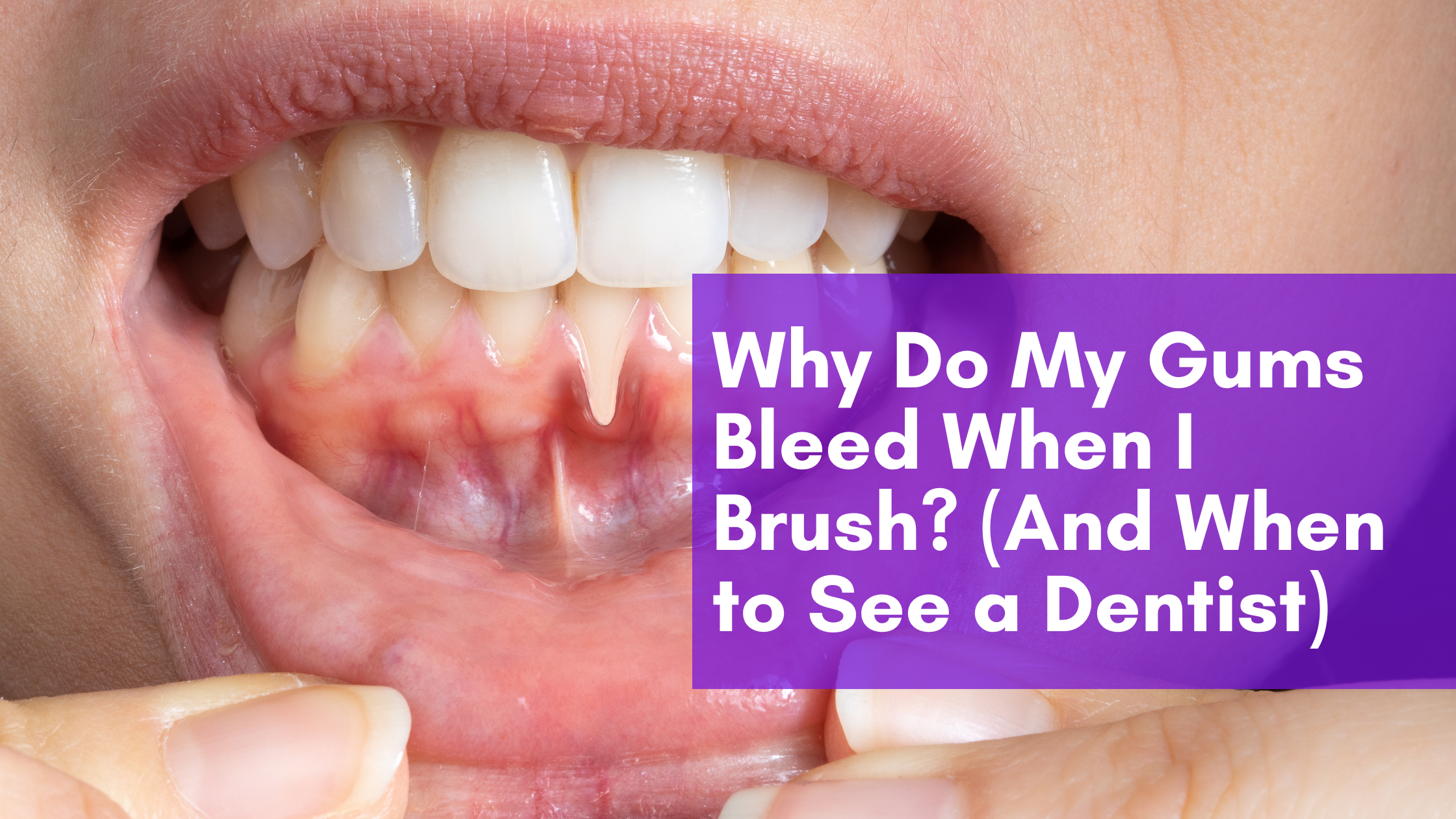
Why Do My Gums Bleed When I Brush? (And When to See a Dentist)

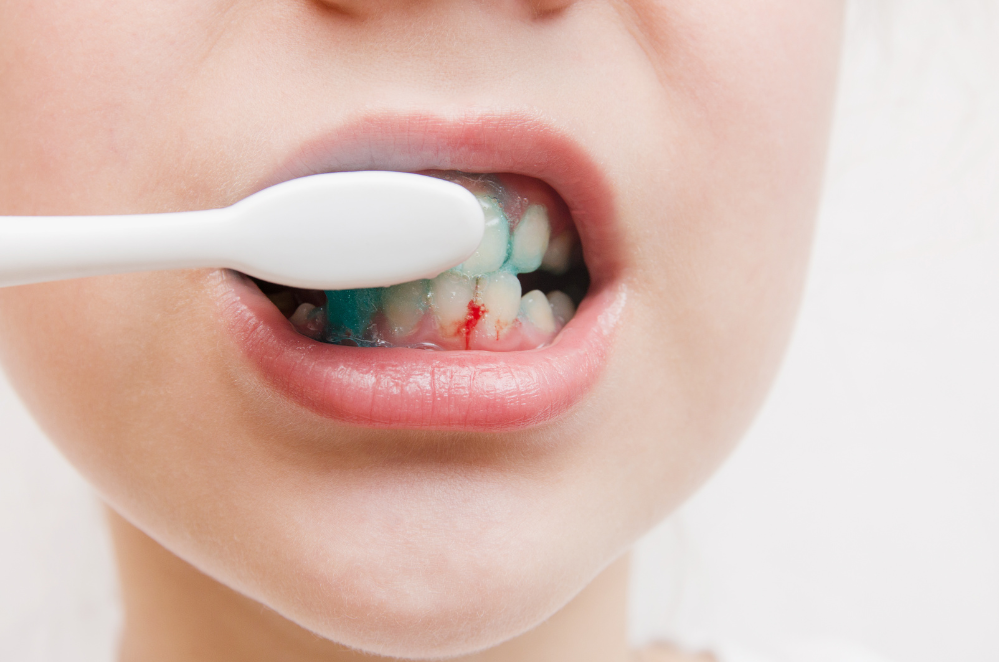
Sometimes, brushing too hard can cause your gums to bleed, but we’ve seen many cases related to gum disease, vitamin deficiencies, or other oral health issues.

At Sheehan Dental in Palos Park, we’ve had patients come in with all sorts of factors, so it’s never just down to one cause. We provide our dental patients with comprehensive oral health care evaluations & expert treatment to the Palos Park Community and Surrounding areas. 

The good news: Bleeding gums can often be treated and prevented before they become something serious.

Why Your Gums Bleed (Common Causes)

If this is the first time you’re seeing your gums bleed, don’t panic. And if it’s happened several times, don’t be quick to assume you have gum disease either. 

Bleeding gums cause varies, and it’s better to understand what the possibilities could be: 

Gingivitis (Early Gum Disease)

Plaque hardens into tartar at your gumline, causing irritation. 

Left untreated, it progresses into periodontal disease, which can result in tooth loss.

Aggressive Brushing

periodontal disease treatment services near palos park IL

Ever wonder why your dentist recommends soft bristles over hard bristles? 

This is it. Scrubbing with a hard-bristled brush doesn’t equal “cleaner teeth.” 

Instead, it scratches enamel and makes gums more vulnerable, which can lead to bleeding. 

Flossing Habits

If you’ve just started flossing again, your gums may bleed for a few days. This much is normal. 

But if it continues, it’s not just about technique,  it could be early inflammation.

Medications

Blood thinners and even certain heart medications can increase gum bleeding. This is why dental professionals always ask about your health history.

Vitamin Deficiencies

Low vitamin C weakens gum tissue, and vitamin K affects clotting. 

The same can be said for Vitamin A, Calcium, and Phosphorus. In fact, there’s been a lot of interest lately in Vitamin D, which can lead to tooth mineralization and periodontal diseases.

While it’s not the strongest factor for bleeding gums, vitamin deficiencies can impact your oral health.

Bleeding gums are not just a “cleaning issue.” They’re an opportunity to catch small problems early, before they turn into painful (and costly) ones.

When Are Bleeding Gums Not Normal? (Don’t Ignore These Signs)

A little blood once in a while? Maybe not urgent. 

But consistent bleeding is your bad news. Other signs you might notice that don’t involve “bleeding” but are linked to the condition include: 

  • Swollen or Tender Gums: Inflammation is your immune system fighting plaque bacteria, and it doesn’t back down without help.
  • Chronic Bad Breath: Persistent halitosis means bacteria thriving below your gumline.
  • Receding Gums: If your teeth look “longer” than they normally do, it’s because your gums are “pulling” away or receding.
  • Loose or Shifting Teeth: This is a late-stage gum disease. Imagine neglecting months of bleeding gums.

What’s scary isn’t so much that your gums are bleeding, but rather the underlying condition. 

For those that have serious or major gingivitis, the complications can impact your overall health.

How Bleeding Gums Can Complicate Your Life

If the cause is gum disease, picture this: 

Bacteria live in your plaque, which is also mixed in with your saliva. If you haven’t had a dental cleaning in a while, all the plaque builds up and bacteria thrive. 

That’s not the worst part.

Gum disease is a chronic inflammation in your mouth. 

Inflammation chemicals like cytokines and C-reactive protein travel in your bloodstream, causing your blood vessels to easily clog. 

The same is true for bacteria thriving in your plaque or underneath your gumline. 

Now, how much time do you think it would take for bacteria and inflammation chemicals to reach your arteries and blood vessels around your heart? 

Seconds? Minutes? But at the same time, if it’s happening on a daily basis, then…

Heart disease becomes more likely. 

Periodontal (gum) disease sounds harmless because a lot of people think it only affects their gums. 

But really, untreated gum disease is linked to systemic diseases, such as heart disease, diabetes, respiratory diseases, Rheumatoid arthritis (RA), and even pregnancy complications. 

What starts in your mouth doesn’t always stay there.

So, if your gums bleed for more than a week despite gentle brushing and flossing, it’s not “normal.” 

When to See a Dentist (From Hesitation to Action)

You should schedule a dental checkup immediately if you notice:

  • Any looseness in your teeth
  • Puffy, tender gums or consistent bad breath
  • Receding gumlines or sensitivity when chewing
  • Bleeding that lasts more than a week despite gentle brushing and flossing

I always tell my patients: 

Plaque hardens into tartar in as little as 48 hours. Once that happens, brushing and flossing alone won’t fix the problem.

In several cases, we’ve had a few emergency calls. During a dental emergency, it’s strongly encouraged to call your dentist. 

There are also steps you can take during a dental emergency, depending on your case. 

How to Prevent Bleeding Gums

Palos Park Dentists: Prevent Bleeding Gums
How to Prevent Bleeding Gums – Dentist in Palos Park Illinois

I know this may sound redundant, but one of the best ways to prevent your gums from bleeding is simple. 

And it boils down to three parts: 

  • Personal Care
  • Lifestyle and Nutrition
  • Professional Dental Care

Personal care is what you’ve been told your whole life: brush daily.

But, no hard scrubbing – move in circular motions. 

Next, it’s pretty much all your greatest hits: Alcohol-free mouthwash and flossing.

For lifestyle and nutrition, make it a point to eat high Vitamin C and Vitamin K foods such as bell peppers and leafy greens like spinach or broccoli. 

Lastly, professional care (where most seem to fail at). 

This includes routine dental cleanings along with: 

  • Scaling & Root Planing: Deep cleaning beneath the gumline to fight early gum disease before it spreads.
  • Periodontal Maintenance: Regular checkups to keep gum disease from returning.

If you want more tips for maintaining healthy gums, we have a full list here.

Why Choose Sheehan Dental in Palos Park

We understand that everyone has their own fears and objections around dental care. 

And we’re not here to force our patients, but if you’re open and ready to getting dental treatment whether it’s more general or cosmetic reasons, we offer a variety of dental services and: 

  • Pediatric Dentistry: Perfect for kids or patients with dental anxiety. We take time to explain every step.
  • Family-Focused: We’ve been serving the Palos Park community for decades and offer flexible scheduling for busy parents and professionals on the go.
  • Trusted Local Experts in General and Cosmetic Treatments: Whether you’re coming in for a routine cleaning, root canal, tooth extraction, dental implant, dental crown, or veneer, we can handle it all. 

FAQ: Bleeding Gums Explained

Is it normal for gums to bleed when brushing?
If you brush too hard or you’re using an old toothbrush, the bristles can hurt your gums. Persistent bleeding, on the other hand, is a sign that something needs attention.

Can bleeding gums heal on their own?
Bleeding gums can heal on their own, provided it’s a normal case of aggressive brushing. However, serious conditions like gum disease won’t resolve without treatment.

What vitamin deficiency causes gums to bleed?
Vitamin C and K deficiencies can contribute to your gums bleeding, but gum disease is the most common cause.

Do bleeding gums mean I have gingivitis?
Bleeding gums don’t always mean you have gingivitis. A dental checkup is the only way to know for sure.

When should I see a dentist for bleeding gums?
If the bleeding lasts for 3 days straight, or if you notice other signs like swelling, pain, or bad breath, contact your dentist immediately. 

In Need of Bleeding Gums Treatment?

Book your dental checkup at Sheehan Dental in Palos Park today or call 708-671-1510 to have your gums checked and get treatment ASAP. 

Why Invisalign is the Go-To Choice for Straighter Teeth in Palos Park

Think about the last time you smiled in a photo.

Did you catch yourself hiding your teeth… or wishing for a straighter smile?

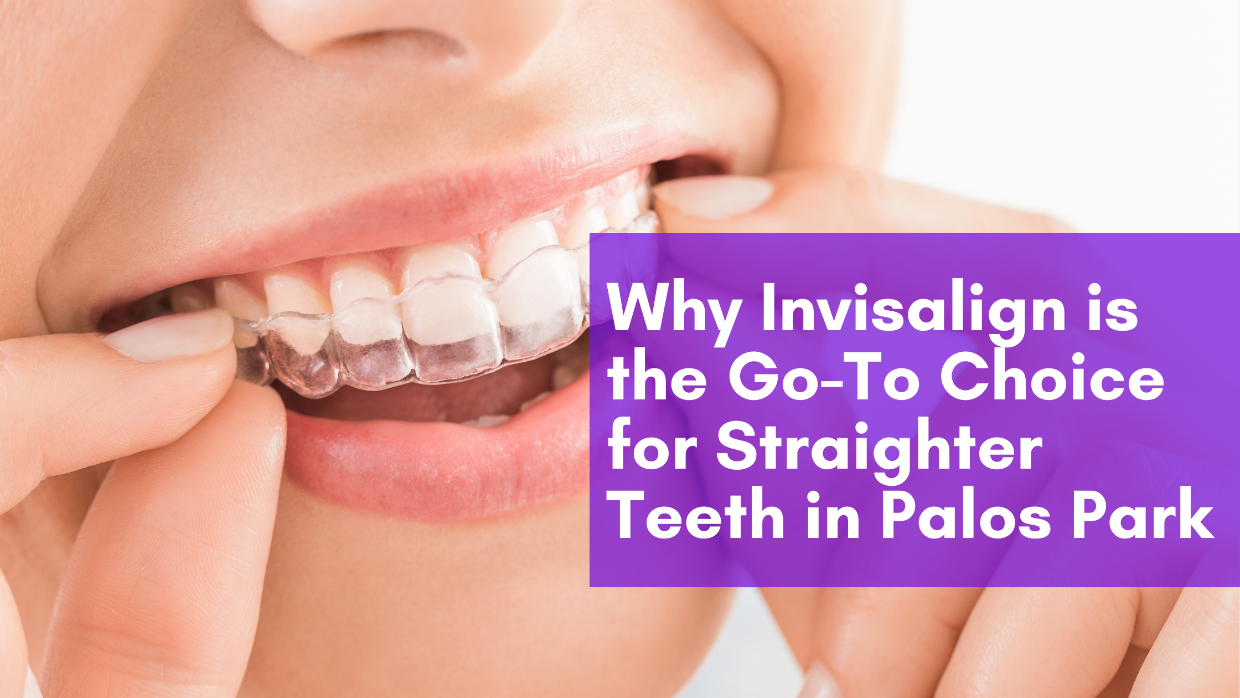
For many, the idea of metal braces feels uncomfortable, inconvenient, and even embarrassing. That’s why more and more teens, professionals, and parents are choosing Invisalign clear aligners—a discreet, comfortable way to transform smiles without brackets or wires.

At Sheehan Dental, we’ve seen firsthand how Invisalign changes not just smiles, but confidence.

The Rise of Invisalign in Palos Park

Invisalign has become the go-to choice for our Palos Park patients who want results without compromise.

  • Teens love that aligners don’t interfere with sports, music, or school photos.
  • Adults appreciate the discreet look that fits their careers and social lives.

With over 14 million Invisalign patients worldwide, Sheehan Dental is proud to be the trusted local provider bringing these results to Palos Park, Orland Park, Palos Heights, and beyond.

How Invisalign Works: A Step-by-Step Guide

No wires. No brackets. Just results.

A typical Invisalign consultation at Sheehan Dental looks like this:

  1. Digital Scans & Impressions: We map your teeth with precision first and check your teeth for any issues/irregularities. 
  2. Customized Clear Aligners: Your trays are designed just for you, each one moving your teeth slightly closer to perfection.
  3. Wear & Progress: You’ll wear your aligners 20–22 hours per day, switching trays every 1–2 weeks.
  4. Check-Ins Without Hassle: Quick visits to track progress (fewer than traditional braces).

Think of Invisalign like GPS for your smile—every aligner tray is one turn closer to your destination.

Find out if Invisalign is the right choice for you.

Invisalign vs. Braces: The Side-by-Side Breakdown

Some of our patients have considered getting braces given their effectiveness for decades. 

However, it depends on the case. If you have…

  • Severe overcrowding
  • Complex rotations or large gaps
  • Significant bite problems (deep bite, underbite, crossbite)

Braces are a better fit especially if you want to correct your teeth properly. 

Invisalign is better suited for mild to moderate crowding, spacing, or bite corrections. 

To give you a better idea between the two, here’s a table detailing their differences: 

Feature Invisalign Traditional Braces
Cost (Palos Park) $3,500–$6,500 $3,000–$7,500
Comfort Smooth plastic trays, no wires Brackets, wires may irritate gums
Visibility Nearly invisible Highly noticeable
Oral Hygiene Easy (remove to brush/floss) Food often gets stuck
Diet No restrictions Avoid sticky, crunchy foods
Lifestyle Great for sports, presentations, weddings May interfere with activities
Office Visits Fewer, shorter check-ins More frequent adjustments

For most adults and teens in Palos Park, Invisalign is the clear winner in terms of comfort, convenience, and lifestyle fit.

What Does Invisalign Cost in Palos Park?

Cost matters.

In Palos Park, Invisalign typically ranges from $3,500–$6,500, depending on:

  • Case complexity
  • Treatment length
  • Insurance coverage

Many plans cover a portion of Invisalign. You can also use HSA/FSA accounts to save money.

Invisalign Benefits That Go Beyond Straight Teeth

Invisalign isn’t just about alignment—it’s for anyone who prefers feeling comfortable above all and doesn’t want to sacrifice diet adjustments like pizza. 

For others, they prefer a more discreet look.

One of our Palos Park patients, a young professional, shared: “I had a big presentation at work—I didn’t want braces to distract me. Invisalign gave me confidence, and no one even noticed.”

Then again, and as a reminder, this all depends on what needs to be corrected. If your teeth have severe overcrowding issues, we’ll recommend braces first then Invisalign midway. 

Other reasons patients choose Invisalign over braces: 

  • Discreet: Most people won’t even notice you’re wearing them.
  • Removable: Eat pizza, brush, and floss without restrictions.
  • Healthier Teeth: Easier cleaning prevents cavities and gum disease.
  • Flexible Lifestyle: Perfect for weddings, job interviews, or sports.

Who’s a Good Candidate for Invisalign in Palos Park?

Wondering if Invisalign is right for you?

You’re likely a great candidate if:

  • You want cosmetic correction without braces.
  • You’re a teen with mild to moderate alignment needs.
  • You’re committed to wearing your trays 20–22 hours per day.

Not sure? We offer personalized consultations.

Invisalign FAQs for Palos Park Patients

How long does Invisalign take?

Most of our patients (specifically those with mild cases) usually wear Invisalign for 12–18 months, but some finish in 6 months.

Does Invisalign hurt?

Invisalign doesn’t hurt at all. You may feel pressure when switching trays, but it’s usually mild and temporary.

What happens if I don’t wear my aligners enough?

Just like braces and retainers, not wearing your aligners enough or as suggested leads to slower treatment and a longer timeline. Consistency is key.

Is Invisalign covered by insurance?

There are insurance plans that cover part of the cost for Invisalign. You can check with us on-site. 

Can Invisalign fix bite problems like overbite or crossbite?

Yes, Invisalign can correct many bite issues—though severe cases may need other orthodontic options such as braces. 

Does Invisalign change your face shape?

Invisalign doesn’t create major changes to your facial shape. They can however subtly enhance facial aesthetics by aligning your bite and smile.

Ready for Straighter Teeth Without Braces?

For Invisalign dentistry near you in Palos Park Area, Sheehan Dental is the top choice.

Call Sheehan Dental today at 708-671-1510 or schedule your Invisalign consultation online.

Don’t wait another year—your confident smile starts now.

Dental Tips to Discover How to Enjoy Drinking Coffee Without Tarnishing Your Smile

Should Coffee Stains on Teeth Be Your Only Worry? What Coffee Lovers Should Know!

As your dedicated local dental experts in Palos Park, we’re here to share proven strategies to keep your smile bright while savoring your daily brew. More importantly, we’ll dive into the real concern: how coffee can erode enamel, increasing your risk of cavities and tooth decay.

Curious about whether a year-old coffee stain or the enamel erosion caused by regular coffee consumption is a greater risk to your dental wellness?

or perhaps…

You’re concerned about a coffee stain that has lingered on your teeth for a year, or is it the enamel erosion from your daily coffee habit that you should be concerned about?

You’re about to discover the truth.

>Let’s explore the science and solutions to keep your smile sparkling and strong…

How to Enjoy Drinking Coffee Without Staining Your Smile

Coffee: the beloved morning ritual that fuels Palos Park residents with its rich aroma and bold flavor. But those pesky coffee stains on your teeth? They’re the unwelcome guest that lingers after your last sip.

Why Coffee Isn’t Just a Morning Habit & How It Can Be a Serious Dental Concern

There are various reasons why dentists always say acidity is bad for your teeth…

The #1 reason acidity is bad for your teeth and dental health?

It weakens the protective layer that allows you to tolerate hot and cold food. Meaning, you won’t so much as flinch when you take a big scoop of bubblegum ice cream, but as your protective layer weakens, eating ice cream won’t be as pleasant.

This protective layer is known as enamel, and when acidity hurts it long enough, it becomes enamel erosion.

>Tooth discoloration and enamel wear (especially for regular coffee drinkers) are at a higher risk of seeing these effects!

What Makes Coffee So Damaging to Teeth?

Family Dentist Near Palos Park, Illinois: What Makes Coffee So Damaging to Teeth?

Understanding Dental Erosion: Teeth Discoloration, Tooth Enamel & Decay

You already know about dental acidity. The other culprit here is tannins. Combine them both, and you get discolored, sensitive teeth.

Here’s a more technical explanation for each of these scientific factors:

  • Acidity: Coffee’s low pH weakens enamel, making it easier for stains to stick.
  • Tannins: These compounds cling to enamel and cause yellowing or brown stains.
  • Pigmented Residue: Coffee leaves a film that builds up over time, especially without proper brushing or rinsing.

>Remember: The darker and more frequent the coffee consumed, the deeper the teeth stain.

What About Lattes, Cold Brews, or Iced Coffees?

Milk may buffer acidity, but it won’t stop staining.

Cold brew has lower acidity, but still contains tannins that discolor teeth. Even your fancy vanilla oat milk latte isn’t off the hook.

That said, a latte is still less harmful than your average cup of joe.

Why? Because milk proteins (casein) when bonded to the tannins in coffee lessen the staining effect, and also reduce the acidity of coffee.

But I said “isn’t off the hook” for a reason.

Milk with coffee is still coffee, and that can have a negative effect on your teeth over time.

The worst though among all coffee drinks is a frappuccino or any coffee drink with sugar syrup/sweeteners.

Because not only do your teeth have to deal with acidity, but also added sugar. So while lattes are the least negative, a sweetened latte is worse.

>In case you’re wondering what other drinks and beverages are harmful to your teeth, this list serves as a brief guide.

Dental Erosion: Signs to Watch Out For:

You might not notice enamel erosion until it’s too late, but there are a few signs you’ll easily be able to notice so you can catch it early on.

  • Dull or rough enamel texture
  • Sudden heightened sensitivity to hot or cold drinks
  • Frequent dry mouth or bad breath, especially after coffee
  • Yellow or brown discoloration that doesn’t improve with brushing

>If any of these sound familiar, or if you’re not sure, it’s better to get professional advice than wait it out or second-guess.

The Science of Enamel and Your Teeth: What’s Really at Risk?

As noted, enamel is your teeth’s protective layer. Think of it like your teeth’s own personal bodyguard.

Quick pop quiz!

How do you ensure your bodyguard can keep protecting you?

In the case of enamel, regular brushing, flossing, and limiting sugary or acidic foods and drinks are some of the easiest or simplest ways.

Once enamel wears out, it doesn’t regenerate. That means stains, sensitivity, and damage can become permanent without intervention.

How Coffee Impacts Enamel:

The science or process of how coffee negatively affects your enamel can be summarized in three steps:

  1. First, the acidity erodes the surface through constant acid exposure
  2. Over time, this weakens enamel layers, making them prone to tiny cracks (dull or rough texture)
  3. As the pigment seeps deeper, signs like a yellow discoloration become more prominent. Tooth sensitivity should also be more noticeable.

Without any intervention (dental cleaning or checkup), the stains become harder to remove.

Your enamel can handle one cup a day—but sipping coffee all morning? That’s when trouble brews.

When it comes to overall oral health, it all boils down to your lifestyle choices.

However, there is some good news.

The negative effects of coffee on your teeth can be significantly minimized as long as you’re aware of habits that create further damage vs the ones that actually help.

Coffee Habits That Hurt vs. Help Your Teeth

Let’s not pretend anyone’s giving up coffee (and we’re not asking you to). But small adjustments can make a big difference.

Coffee Habits That Stain Your Teeth:

  • Not rinsing after coffee
  • Skipping dental cleanings
  • Sipping throughout the day (constant exposure = more damage)
  • Brushing immediately after drinking (enamel is soft post-acid exposure)

Better Oral Health Tips & Dental Habits for Coffee Lovers:

Palos Park Dentist for Teeth Cleaning: Better Oral Health Tips & Dental Habits for Coffee Lovers:

  • Wait 30 minutes before brushing
  • Use a straw to limit contact with teeth
  • Drink in one sitting, not slowly all day
  • Add milk — it may reduce staining a bit!
  • Rinse with water or mouthwash after coffee
  • Switch to whitening toothpaste with gentle abrasives

What We Assist Our Chicagoland & Palos Park Residents with Teeth Whitening & Stain Prevention 

There’s a strong link between your diet and dental health. Because we eat 3x a day, the biggest impact and changes we can create with regard to our dental health lies in our dietary choices. Needless to say, there are a few practical tips to keep in mind which serve as preventive measures against tooth decay, cavities, and enamel erosion.

(4) Teeth Whitening & Stain Prevention Tips

Here are four dental health care tips to help you get started:

  • Go with lighter roasts than darker roast coffee beans
  • Pre-rinse with a neutral pH or pH balanced mouthwash
  • Have a small amount of calcium-rich food like cheese to neutralize the acids
  • Instead of rinsing with water, follow it up with fruits or vegetables (these strip surface stains and stimulate saliva flow needed to remineralize your teeth)

Safe Whitening Options for Coffee Drinkers

Palos Park Safe Dental Whitening Options for Coffee Drinkers - Near: Palos Hills and Palos Heights

If stains have already set in, don’t panic. The right whitening treatment can help in aesthetically restoring your teeth.

Choose the Proper Teeth Whitening Method:

  • Whitening toothpaste: Great for daily stain control
  • Whitening strips: Moderate results for surface stains
  • In-office whitening: Fast, professional, and powerful
  • Custom trays: Perfect for those who want flexibility at home

Important: Whitening won’t fix erosion or thin enamel, so make sure your dentist assesses enamel health first.

Best Ways to Maintain Oral Health Near Palos Park

>Here’s more advanced dental tips, located: (HERE).

FAQ — Coffee & Teeth

Dental Questions, Frequently Asked at Sheehan Dental Clinic in Palos Park:

Does cold brew stain teeth less than black coffee?

A cold brew will still stain your teeth, although not as much as black coffee. This is due to its lower acidity—but tannins are still present, so stains still occur.

Is it bad to brush your teeth right after drinking coffee?

Brushing your teeth immediately after drinking coffee or anything acidic is not recommended. Wait 30 minutes so your enamel can remineralize after the acid exposure.

Can coffee stains be removed with regular brushing?

Surface coffee stains may fade with regular brushing, but deep stains usually require professional polishing or whitening.

What’s the best toothpaste for coffee stains?

Look for a whitening toothpaste with gentle abrasives and fluoride. Avoid harsh whitening agents unless approved by your dentist.

Can I still drink coffee every day and have white teeth?

Absolutely! With the right habits and dental care, coffee doesn’t have to ruin your smile.

Can I drink coffee without staining my teeth?

The answer is a resounding yes—and it’s easier than you think! Coffee is a near-perfect human creation, if not for those stubborn coffee stains on our teeth.

We also get this question a lot from our Palos Park residents:

Is it possible to drink coffee so it won’t stain your teeth?

Yes, absolutely. It’s also not as terrible as you think when it comes to removing coffee stains from your teeth. However, it’s worth mentioning how coffee can damage your enamel, leading to a higher risk of tooth decay and cavities.

How Often Should I Visit My Dentist to Remove Coffee Stains?

Teeth Whitening & Color Discoloration: What We Recommend at Sheehan Dental

At Sheehan Dental in Palos Park, we specialize in helping coffee lovers keep their smiles radiant.

Our Top Services Include:

  • Gentle, effective professional dental cleanings
  • A personalized care plan that works with your lifestyle
  • Enamel-strengthening options like fluoride varnishes
  • Treatments tailored to coffee stains or similar conditions

>We’ll never ask you to give up your coffee. But that doesn’t mean we’re okay with neglecting your dental and oral health.

It’s hard to imagine a world without coffee, let alone mornings without it.

If you’re a regular coffee drinker (2 to 3 cups per day), you can get around those stains by getting through deep cleaning dental sessions 2x per year.

That said, it depends on your professional dental assessment of your teeth, as well.

The most accurate and clear answer here is to get a dental checkup first, then take the next steps based on your evaluation.

Tap to Call: 708-671-1510  to schedule an immediate appointment, or visit Sheean Palos Park Dental Clinic to get a better idea of what to expect.