
Tooth Discoloration Damage: Causes & Treatments Near Palos Park

Drinks That Damage Your Teeth & Gums

Achieving a brighter, more confident smile often begins with understanding the everyday habits that can impact the color and health of your teeth. One of the most significant factors contributing to discoloration and stains is the consumption of certain beverages.

Most Harmful Beverages for Oral Health

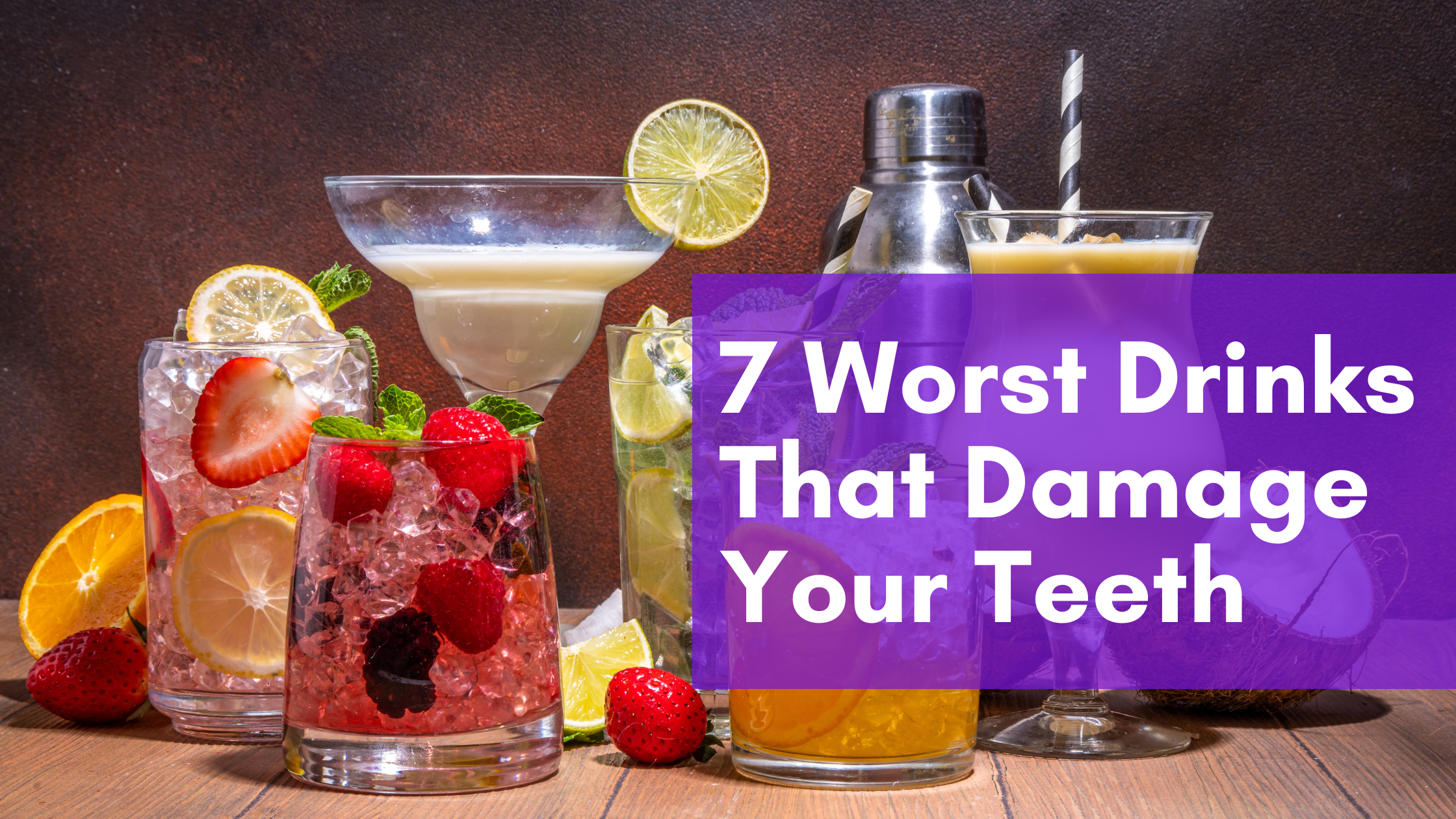
After countless teeth whitening procedures we’ve performed here at Sheehan Dental Palos Park, we’ve discovered 7 of the worst drinks that damage your teeth and gums.

Sodas, coffee, sports drinks…you’ve probably heard about these already, but there’s one drink most wouldn’t think to be damaging. By becoming aware of these culprits, you can make informed choices that protect your pearly whites and enhance the longevity of your whitening treatment.

“Worst Drinks for Your Teeth” Summary

This summary will give you all the key insights you need in less than a minute. We’ll explore which drinks are the primary offenders and how they contribute to staining and enamel erosion, setting the stage for a healthier, brighter smile.

Worst Drinks to Avoid (Highlights)

  • Biggest enamel risks: Acid + frequency (not just sugar). Sodas, energy drinks, citrus juices, and wine are notably acidic; frequent sipping amplifies erosion.
  • Cavity risk: Sugary beverages (regular soda, sweet teas, juice, sports drinks) feed bacteria that make acid, leading to cavities.
  • Stain risk: Coffee, tea, and red wine stain; teeth whitening helps, but proper dental habits are still the golden rule. (Evidence varies; acidity plus chromogens drive staining.)
  • Sparkling water: Generally okay if plain and not lemon/lime flavored; much safer than soda
  • Best defense: Rinse with water, limit sip time, drink with meals, use a straw for sugary/acidic drinks, and the most important, wait ~20–30 min before brushing, and use fluoride.

In our experience, teeth damage tends to come from how often and how long teeth are bathed in acids/sugars.

All-day sipping” is worse than a short, occasional treat.

How to Keep Your Teeth White & Healthy?

Maintaining white and healthy teeth begins with identifying beverages that lead to discoloration and stains. This should be followed by regular dental cleanings to promote optimal oral hygiene.

  • Avoid Staining Foods and Drinks: Coffee, tea, red wine, and cola are notorious for staining teeth. Try drinking through a straw or rinsing your mouth with water immediately after consumption.
  • Good Oral Hygiene: Brush twice daily using whitening toothpaste and floss regularly to minimize plaque build-up and prevent stained teeth.
  • Regular Dental Checkups: Schedule dental cleaning sessions every six months with your Palos Park dentist to keep your teeth healthy and white.

What Are Your Best Teeth Whitening Solutions Near Palos Park?

Choosing teeth whitening means investing in yourself. You’ve come to the right place for maintaining a white and healthy smile near Palos Park, IL. You’ve got two options:

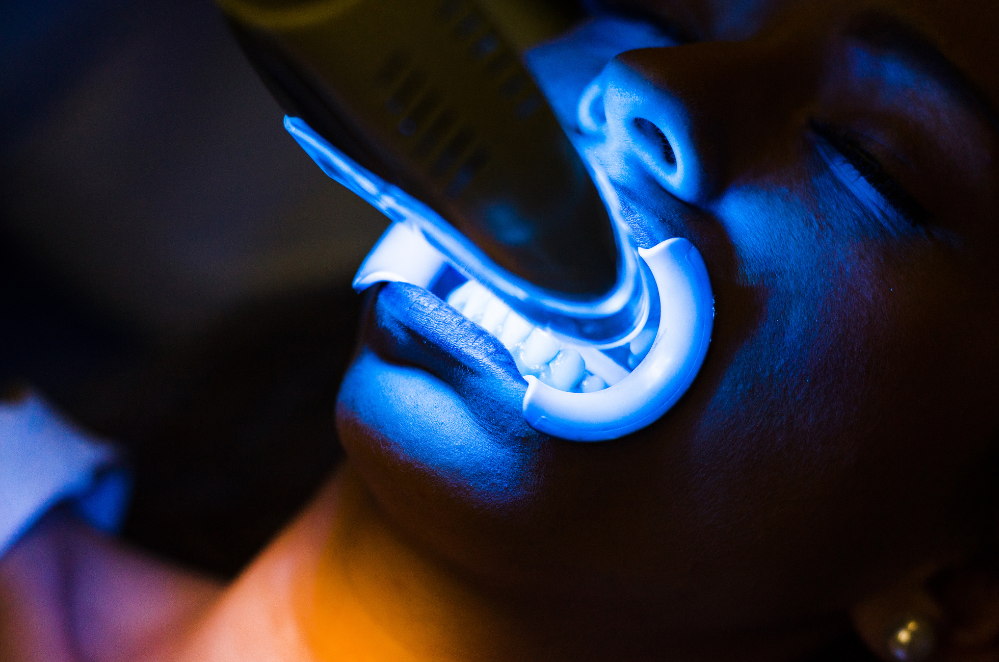
  • Professional Teeth Whitening Treatments: At Sheehan Dental in Palos Park, we use treatments with high-concentration bleaching agents that can significantly whiten teeth in just one session. Depending on the severity of the discoloration or stain, you might need one or two additional teeth whitening sessions.
  • At-Home Kits: At-home kits are convenient, cost-effective, and available at most pharmacies in Palos Park. Look for kits that contain carbamide peroxide for effective results. However, these won’t work on deeper teeth stains.

Both teeth whitening options are effective, but if you haven’t had a dental checkup in a while or have a deep stain/a lot of plaque and tartar, a professional teeth whitening treatment is more effective.

Now, let’s dive deeper into each option and take the first step toward making healthier, whiter, and lasting impressions.

7 Drinks That Damage Teeth

1) Regular & Diet Soda Such as Cola or Citrus Sodas Create the Worst Cavities

  • Why harmful: Highly acidic (carbonation + acids). Regular soda adds sugar, feeding cavity-causing bacteria; diet soda keeps the acid. Frequent intake = erosion and cavities. The worst part? Teeth whitening treatments aren’t always enough to treat intrinsic tooth stains. These are caused by darker colored beverages like soda or coffee.
  • Safer swaps: Plain sparkling water (unflavored), still water, milk.

2) Energy drinks and pre-workout shakes that are high in sugar 

  • Why harmful: Often low pH and sometimes high in sugar. They’re also linked in studies to enamel surface softening and hardness loss (in vitro).
  • Safer swaps: Water + electrolytes without acids/citrus flavoring; check labels for citric/phosphoric acid.

3) Lemon water, despite its wide benefits makes your teeth look more yellow

  • Why harmful: Naturally acidic (even without added sugar). Routine exposure increases erosion risk. It also has a pH of around 2.0–2.6, which is roughly the same acidity as cola.
  • Safer swaps: Dilute with water; limit to mealtimes; rinse with water after.

4) Kombucha and coconut water are slightly acidic

  • Why harmful: They’re healthy and taste great but their pH levels sit between 2.5 to 4.0, making them slightly acidic.  While these are safer alternatives than soda, the biggest risk is they accelerate the staining process, making it harder for teeth whitening treatments to work.
  • Safer swaps: Water; if needed, choose low-acid, low-sugar options and keep them to workouts.

5) Wine (especially white) has high teeth staining qualities

  • Why harmful: Acidic and stain-promoting (red has chromogens (one of the biggest causes for teeth stain, along with tannins). White wine is also more erosive because it’s more acidic.
  • Safer swaps: Alternate sips with water; avoid brushing immediately after tastings.

6) Unsweetened iced tea and sweet coffee 

  • Why harmful: Don’t let the label “unsweetened” fool you. Most of these unsweetened iced teas still contain citric acid. Coffee also has dark pigments, just as we mentioned earlier, that create intrinsic teeth stains and tougher teeth whitening treatments.
  • Safer swaps: Drink promptly, add dairy, and rinse with water.

7) Flavored sparkling waters and viral “healthy sodas” (e.g., balsamic + seltzer)

  • Why harmful: Flavorings often add acid; vinegar-based trends are also very acidic, sitting between a pH level of 2.9 to 3.5. The ADA has cautioned about acidic, sugar-free “alt sodas.” Plain sparkling water, by contrast, is typically fine.
  • Safer swaps: Unflavored seltzer or still water; skip the vinegar hacks.

Is Teeth Whitening Enough to Treat Damaged Teeth? 
(pH and Sugar Levels at a Glance)

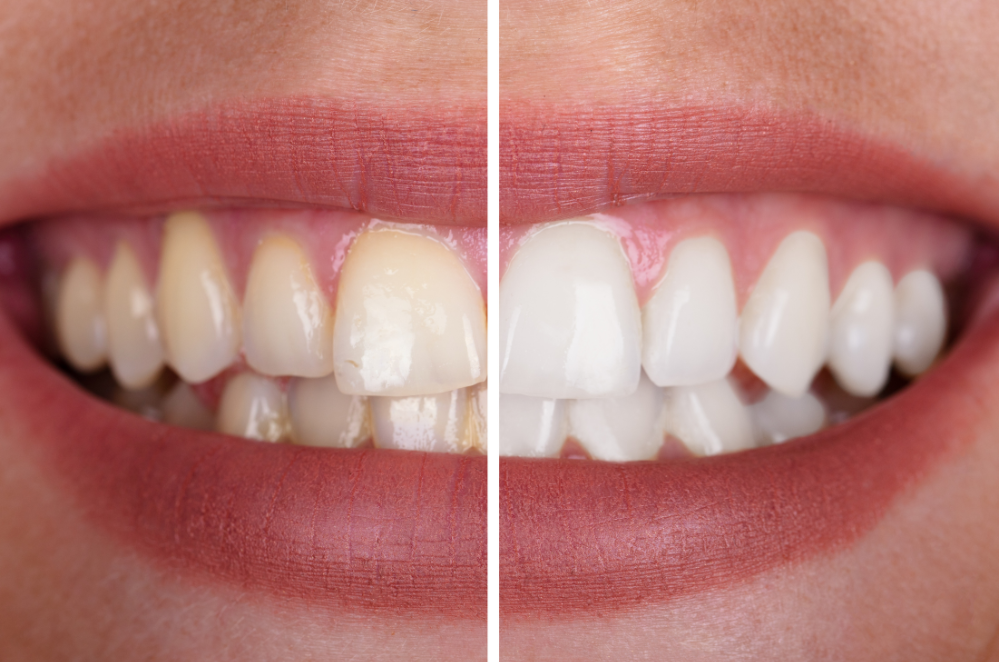
Teeth whitening is effective for surface stains.

Teeth bleaching treatments and cosmetic dental options like veneers are more effective if you have deep stains, or a lot of tartar and plaque. Take note though, that harder teeth stains require professional dental cleaning. The reason being, that plaque needs to be removed first to prevent the spread of bacteria and tooth decay.

Teeth whitening or veneers typically come after all the plaque/cavities has been removed.

For reference, below are tables showing the pH levels and sugar levels for different beverages. This should give you an idea of how damaging they can be when we aren’t careful.

Drinks That Can Damage Teeth & Gums (pH levels)

Drink Approximate pH Primary Enamel Threat
Dark Sodas 2.5–3.5 Phosphoric acid erosion
Orange and Citrus Juices 3.0–4.0 Citric acid demineralization
Kombucha and Vinegar Tonics 2.9–3.5 Acetic acid softening
Sports and Energy Drinks 3.0–4.0 Organic acid plus sugar

Sugar Content:

Drink Sugar per 12 oz Bacterial Acid Production
Regular Soda 35–45 g High
Fruit Juice (e.g., Orange) 20–25 g Moderate to High
Sweet Tea 20–30 g High
Sports Drink 15–25 g Moderate
Kombucha (Flavored) 8–15 g Moderate

Top Indicators: When to Consult Your Local Dentist
For professional teeth whitening services in Palos Park or if you are considering dental treatment or cleaning in the area, please note the following indicators that suggest a dental appointment is advisable:

  • Deep Stains: Think any dark beverage. The tannins and chromogens in these drinks create deeper intrinsic teeth stains. The same goes for smoking, or certain medications.
  • Sensitivity to Cold/Visible Notches: Sensitivity to cold, visible notches near the gumline, chalky spots, or recurrent cavities.
  • Uneven Coloring: Professional teeth whitening in Palos park provides a more uniform result if your teeth have developed uneven discoloration.
  • Upcoming Special Events: Planning for a wedding, graduation, or an important presentation? A dentist-administered whitening session can definitely help

Book a quick dental consultation with Sheehan Dental. We’ll review your beverage habits and customize a plan (and whitening schedule) that fits your life.

Top Benefits of Early Consultation at Sheehan Dental in Palos Park

Seeing a dentist at the first signs of discoloration can prevent more extensive issues later.

  • Customized Solutions: Not all stains are created equal. At Sheehan Dental, we recommend the most effective treatment based on the cause and severity of your discoloration.
  • Protecting Oral Health: Our teeth whitening treatment in Palos Park not only enhances your smile aesthetically but also focuses on oral health, identifying any underlying issues before they worsen.
  • Long-lasting Results: Professional treatments typically offer longer-lasting whitening effects compared to over-the-counter options.

Sheehan Dental: Most Frequently Asked Questions 

Teeth Whitening FAQs & Things to Know

What is the average price to get your teeth whitened in Palos Park?

Teeth whitening costs in Palos Park can range from $200 to $1,000. Factors influencing price include the method you opt for. Professional treatments, for example, typically cost more because they’re more extensive.

How much do teeth whitening at-home kits normally cost in Palos Park?

Teeth whitening kits vary by type. Most DIY kits sit between $20-$100. Make sure to look for carbamide peroxide since it’s effective for treating light teeth stains.

How long do teeth whitening treatments in Palos Park take? 

A teeth whitening treatment in Palos Park lasts around 30 minutes to 1 hour. Some might take 1 ½ hours, depending on how much whitening needs to be done.

Do whitening treatments fix teeth stains from coffee/wine?

Whitening treatments can lighten stains but proper dental habits still matter. Use a straw for iced versions, rinse after, and plan maintenance.

Professional Teeth Whitening Treatment Near Palos Park

We’ve dealt with several cases of teeth stains over the years. Getting a dental checkup ensures you’re not accidentally treating a stain without removing the plaque first.

Call Sheehan Dental today at 708-671-1510 or schedule your appointment online and skip the wait.

Dental Tips to Discover How to Enjoy Drinking Coffee Without Tarnishing Your Smile

Should Coffee Stains on Teeth Be Your Only Worry? What Coffee Lovers Should Know!

As your dedicated local dental experts in Palos Park, we’re here to share proven strategies to keep your smile bright while savoring your daily brew. More importantly, we’ll dive into the real concern: how coffee can erode enamel, increasing your risk of cavities and tooth decay.

Curious about whether a year-old coffee stain or the enamel erosion caused by regular coffee consumption is a greater risk to your dental wellness?

or perhaps…

You’re concerned about a coffee stain that has lingered on your teeth for a year, or is it the enamel erosion from your daily coffee habit that you should be concerned about?

You’re about to discover the truth.

>Let’s explore the science and solutions to keep your smile sparkling and strong…

How to Enjoy Drinking Coffee Without Staining Your Smile

Coffee: the beloved morning ritual that fuels Palos Park residents with its rich aroma and bold flavor. But those pesky coffee stains on your teeth? They’re the unwelcome guest that lingers after your last sip.

Why Coffee Isn’t Just a Morning Habit & How It Can Be a Serious Dental Concern

There are various reasons why dentists always say acidity is bad for your teeth…

The #1 reason acidity is bad for your teeth and dental health?

It weakens the protective layer that allows you to tolerate hot and cold food. Meaning, you won’t so much as flinch when you take a big scoop of bubblegum ice cream, but as your protective layer weakens, eating ice cream won’t be as pleasant.

This protective layer is known as enamel, and when acidity hurts it long enough, it becomes enamel erosion.

>Tooth discoloration and enamel wear (especially for regular coffee drinkers) are at a higher risk of seeing these effects!

What Makes Coffee So Damaging to Teeth?

Family Dentist Near Palos Park, Illinois: What Makes Coffee So Damaging to Teeth?

Understanding Dental Erosion: Teeth Discoloration, Tooth Enamel & Decay

You already know about dental acidity. The other culprit here is tannins. Combine them both, and you get discolored, sensitive teeth.

Here’s a more technical explanation for each of these scientific factors:

  • Acidity: Coffee’s low pH weakens enamel, making it easier for stains to stick.
  • Tannins: These compounds cling to enamel and cause yellowing or brown stains.
  • Pigmented Residue: Coffee leaves a film that builds up over time, especially without proper brushing or rinsing.

>Remember: The darker and more frequent the coffee consumed, the deeper the teeth stain.

What About Lattes, Cold Brews, or Iced Coffees?

Milk may buffer acidity, but it won’t stop staining.

Cold brew has lower acidity, but still contains tannins that discolor teeth. Even your fancy vanilla oat milk latte isn’t off the hook.

That said, a latte is still less harmful than your average cup of joe.

Why? Because milk proteins (casein) when bonded to the tannins in coffee lessen the staining effect, and also reduce the acidity of coffee.

But I said “isn’t off the hook” for a reason.

Milk with coffee is still coffee, and that can have a negative effect on your teeth over time.

The worst though among all coffee drinks is a frappuccino or any coffee drink with sugar syrup/sweeteners.

Because not only do your teeth have to deal with acidity, but also added sugar. So while lattes are the least negative, a sweetened latte is worse.

>In case you’re wondering what other drinks and beverages are harmful to your teeth, this list serves as a brief guide.

Dental Erosion: Signs to Watch Out For:

You might not notice enamel erosion until it’s too late, but there are a few signs you’ll easily be able to notice so you can catch it early on.

  • Dull or rough enamel texture
  • Sudden heightened sensitivity to hot or cold drinks
  • Frequent dry mouth or bad breath, especially after coffee
  • Yellow or brown discoloration that doesn’t improve with brushing

>If any of these sound familiar, or if you’re not sure, it’s better to get professional advice than wait it out or second-guess.

The Science of Enamel and Your Teeth: What’s Really at Risk?

As noted, enamel is your teeth’s protective layer. Think of it like your teeth’s own personal bodyguard.

Quick pop quiz!

How do you ensure your bodyguard can keep protecting you?

In the case of enamel, regular brushing, flossing, and limiting sugary or acidic foods and drinks are some of the easiest or simplest ways.

Once enamel wears out, it doesn’t regenerate. That means stains, sensitivity, and damage can become permanent without intervention.

How Coffee Impacts Enamel:

The science or process of how coffee negatively affects your enamel can be summarized in three steps:

  1. First, the acidity erodes the surface through constant acid exposure
  2. Over time, this weakens enamel layers, making them prone to tiny cracks (dull or rough texture)
  3. As the pigment seeps deeper, signs like a yellow discoloration become more prominent. Tooth sensitivity should also be more noticeable.

Without any intervention (dental cleaning or checkup), the stains become harder to remove.

Your enamel can handle one cup a day—but sipping coffee all morning? That’s when trouble brews.

When it comes to overall oral health, it all boils down to your lifestyle choices.

However, there is some good news.

The negative effects of coffee on your teeth can be significantly minimized as long as you’re aware of habits that create further damage vs the ones that actually help.

Coffee Habits That Hurt vs. Help Your Teeth

Let’s not pretend anyone’s giving up coffee (and we’re not asking you to). But small adjustments can make a big difference.

Coffee Habits That Stain Your Teeth:

  • Not rinsing after coffee
  • Skipping dental cleanings
  • Sipping throughout the day (constant exposure = more damage)
  • Brushing immediately after drinking (enamel is soft post-acid exposure)

Better Oral Health Tips & Dental Habits for Coffee Lovers:

Palos Park Dentist for Teeth Cleaning: Better Oral Health Tips & Dental Habits for Coffee Lovers:

  • Wait 30 minutes before brushing
  • Use a straw to limit contact with teeth
  • Drink in one sitting, not slowly all day
  • Add milk — it may reduce staining a bit!
  • Rinse with water or mouthwash after coffee
  • Switch to whitening toothpaste with gentle abrasives

What We Assist Our Chicagoland & Palos Park Residents with Teeth Whitening & Stain Prevention 

There’s a strong link between your diet and dental health. Because we eat 3x a day, the biggest impact and changes we can create with regard to our dental health lies in our dietary choices. Needless to say, there are a few practical tips to keep in mind which serve as preventive measures against tooth decay, cavities, and enamel erosion.

(4) Teeth Whitening & Stain Prevention Tips

Here are four dental health care tips to help you get started:

  • Go with lighter roasts than darker roast coffee beans
  • Pre-rinse with a neutral pH or pH balanced mouthwash
  • Have a small amount of calcium-rich food like cheese to neutralize the acids
  • Instead of rinsing with water, follow it up with fruits or vegetables (these strip surface stains and stimulate saliva flow needed to remineralize your teeth)

Safe Whitening Options for Coffee Drinkers

Palos Park Safe Dental Whitening Options for Coffee Drinkers - Near: Palos Hills and Palos Heights

If stains have already set in, don’t panic. The right whitening treatment can help in aesthetically restoring your teeth.

Choose the Proper Teeth Whitening Method:

  • Whitening toothpaste: Great for daily stain control
  • Whitening strips: Moderate results for surface stains
  • In-office whitening: Fast, professional, and powerful
  • Custom trays: Perfect for those who want flexibility at home

Important: Whitening won’t fix erosion or thin enamel, so make sure your dentist assesses enamel health first.

Best Ways to Maintain Oral Health Near Palos Park

>Here’s more advanced dental tips, located: (HERE).

FAQ — Coffee & Teeth

Dental Questions, Frequently Asked at Sheehan Dental Clinic in Palos Park:

Does cold brew stain teeth less than black coffee?

A cold brew will still stain your teeth, although not as much as black coffee. This is due to its lower acidity—but tannins are still present, so stains still occur.

Is it bad to brush your teeth right after drinking coffee?

Brushing your teeth immediately after drinking coffee or anything acidic is not recommended. Wait 30 minutes so your enamel can remineralize after the acid exposure.

Can coffee stains be removed with regular brushing?

Surface coffee stains may fade with regular brushing, but deep stains usually require professional polishing or whitening.

What’s the best toothpaste for coffee stains?

Look for a whitening toothpaste with gentle abrasives and fluoride. Avoid harsh whitening agents unless approved by your dentist.

Can I still drink coffee every day and have white teeth?

Absolutely! With the right habits and dental care, coffee doesn’t have to ruin your smile.

Can I drink coffee without staining my teeth?

The answer is a resounding yes—and it’s easier than you think! Coffee is a near-perfect human creation, if not for those stubborn coffee stains on our teeth.

We also get this question a lot from our Palos Park residents:

Is it possible to drink coffee so it won’t stain your teeth?

Yes, absolutely. It’s also not as terrible as you think when it comes to removing coffee stains from your teeth. However, it’s worth mentioning how coffee can damage your enamel, leading to a higher risk of tooth decay and cavities.

How Often Should I Visit My Dentist to Remove Coffee Stains?

Teeth Whitening & Color Discoloration: What We Recommend at Sheehan Dental

At Sheehan Dental in Palos Park, we specialize in helping coffee lovers keep their smiles radiant.

Our Top Services Include:

  • Gentle, effective professional dental cleanings
  • A personalized care plan that works with your lifestyle
  • Enamel-strengthening options like fluoride varnishes
  • Treatments tailored to coffee stains or similar conditions

>We’ll never ask you to give up your coffee. But that doesn’t mean we’re okay with neglecting your dental and oral health.

It’s hard to imagine a world without coffee, let alone mornings without it.

If you’re a regular coffee drinker (2 to 3 cups per day), you can get around those stains by getting through deep cleaning dental sessions 2x per year.

That said, it depends on your professional dental assessment of your teeth, as well.

The most accurate and clear answer here is to get a dental checkup first, then take the next steps based on your evaluation.

Tap to Call: 708-671-1510  to schedule an immediate appointment, or visit Sheean Palos Park Dental Clinic to get a better idea of what to expect.