Dental Care Near Palos Park: Tips to Maintain a Healthier Smile


Dental Care Tips for a Healthier Smile Near Palos Park, IL

Maintaining a healthy smile takes more than brushing twice a day—it takes dedication, smart habits, and the support of a skilled dental team like Sheehan Dental in Palos Park, IL.

Whether you’re scheduling your next dental checkup, dealing with a toothache, or looking to boost your smile aesthetics, these dental care tips will keep your teeth and gums in top shape.

8 Dental Care Tips for a Healthier Smile

1. Never Skip Your Biannual Dental Checkups

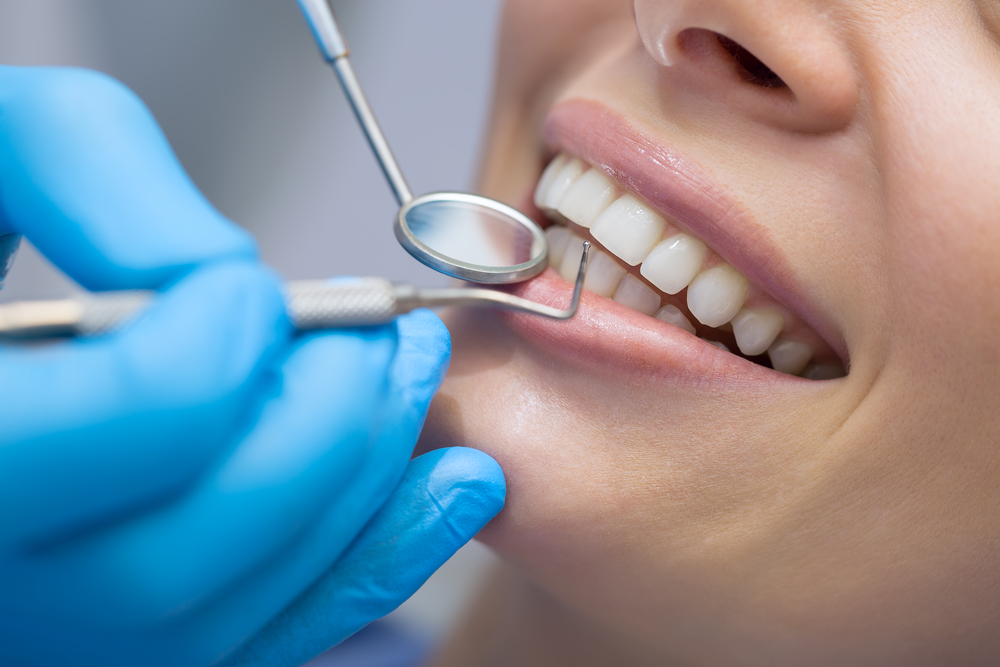
The foundation of any healthy smile starts with regular dental checkups near Palos Park. Visiting Dr. F. Michael Sheehan, DDS twice a year helps catch issues like gum disease and cavities early.

During your dental checkup visit at Sheehan Dental
  • Check for early signs of tooth decay, gum disease, and oral cancer
  • Perform deep cleanings to remove plaque and tartar
  • Take digital X-rays if necessary to detect hidden issues
  • Offer customized oral hygiene education

Routine dental visits are the cornerstone of preventive oral health. At Sheehan Dental in Palos Park, IL, we recommend biannual dental checkups for both children and adults. These checkups help prevent minor issues from becoming major dental problems. Plus, regular visits help build a positive relationship with your dentist—especially important for kids and anxious patients.

Local Insight: Many of our patients come from nearby areas like Palos Hills, Palos Heights, and Orland Park—all within 10 minutes of our Palos Park dental office.

Did You Know?
According to the American Dental Association, nearly 100% of adults have had cavities, and early detection can reduce treatment costs by up to 50%. Source: ADA.org


2. Brush Your Teeth Smarter, Not Harder

Brushing your teeth correctly is about technique, not force. Using excessive pressure or a hard-bristled brush can damage your enamel and irritate your gums, leading to sensitivity or receding gums.

Proper brushing tips from Sheehan Dental:

  • Use a soft-bristled toothbrush
  • Brush for two full minutes, twice daily
  • Use fluoride toothpaste to strengthen enamel
  • Replace your toothbrush every 3 months or after illness
  • Use gentle, circular motions instead of aggressive back-and-forth scrubbing
  • For children and seniors, electric toothbrushes offer efficient plaque removal and are easier to use for those with limited dexterity.
Use a soft-bristled toothbrush and fluoride toothpaste to protect your enamel without wearing it down. Gently brush for two minutes, twice a day.
  • Use circular motions.

  • Replace your toothbrush every 3 months.

  • Consider using an electric toothbrush for a deeper clean.

Fun Fact:
Electric toothbrushes can remove 21% more plaque than manual brushes. Source: Cochrane Library


3. Don’t Skip the Dental Floss—Daily!

Daily flossing clears debris where brushes can’t reach—between teeth and under the gumline. This step is critical in preventing gingivitis and periodontal disease.

Flossing is the unsung hero of oral hygiene. It reaches the 40% of your tooth surfaces that brushing alone can’t. Skipping flossing allows plaque buildup to harden into tartar, leading to gingivitis and eventually periodontitis—a severe gum infection that can lead to tooth loss.

Tips for Effective Dental Flossing:

  • Floss once a day, ideally before bed
  • Use 18 inches of floss wrapped around your fingers
  • Gently slide between teeth, hugging each tooth in a C-shape
  • Don’t forget to floss behind your last molars

>If traditional floss is challenging, consider floss picks or water flossers, especially for children or those with braces.

Did You Know?
Only 30% of Americans floss daily, yet flossing reduces gum disease risk by over 40%. Source: CDC.gov


4. Be Mindful of What You Consume: (Eat, Drink, and Sip)

Your diet directly affects your dental health. Acidic and sugary foods weaken tooth enamel and feed harmful bacteria that cause cavities and gum infections. Make smart swaps to protect your smile.

Best Foods for Healthy Teeth:

  • Cheese: Neutralizes acids and provides calcium

  • Leafy greens: High in calcium and folic acid

  • Carrots & celery: Natural tooth scrubbers

  • Green tea: Contains polyphenols that fight bacteria

  • Water: Strengthens enamel and washes away food particles

Avoid or Limit:

  • Soda and sports drinks

  • Sticky candies (like taffy and gummies)

  • Citrus juices (drink with a straw!)

  • Alcohol (can dry out the mouth)


Smart Swap Tip:
Choose xylitol gum instead of sugar gum—it helps reduce cavity-causing bacteria.


5. Know When It’s Time for Cosmetic or Restorative Dental Work

Sometimes, even with the best care, teeth may need a boost. Cosmetic dental services in Palos Park—like teeth whitening or dental crowns—can restore both function and confidence.

Even if you’re diligent about brushing and flossing, you may still need cosmetic or restorative dental care to protect or improve your smile.

At Sheehan Dental, we offer customized treatments, including:

  • Teeth whitening for stained or discolored teeth

  • Tooth-colored fillings that blend seamlessly

  • Dental crowns to protect damaged teeth

  • Bridges or implants for missing teeth

  • Porcelain veneers to reshape and restore teeth

>If you’re embarrassed about your smile or struggling with chewing, it’s time to book a consultation with your cosmetic dentist in Palos Park, IL.

Fact:
Over 33% of adults are unhappy with their smile, but cosmetic dentistry can dramatically improve self-confidence and dental health.
Source: AACD.org


6. Choose a Local Dental Practice That Knows Your Chicagoland Area, Local Community

Why does it matter that your dentist is local?

>When you choose Sheehan Dental in Palos Park, IL, you’re choosing a dentist who:

  • Lives and works in your community

  • Understands the unique needs of Palos Park, Palos Hills, Palos Heights, and Orland Park families

  • Is accessible in case of emergencies

  • Has built long-standing trust with local patients since 2001

Choosing a local dentist means easier access, faster response times, and a higher level of personal care. We take pride in being a part of your family’s healthcare team—not just a dental provider.

Local Highlight:
Our dental practice is located at 11901 S 80th Ave Ste D, next to nature preserves and schools, making visits convenient for busy families in the 60464 area.


7. Chicagoland Emergency Dental Care: Know Where to Go Near Palos Park

Dental emergencies can be scary, painful, and unpredictable. Whether it’s a chipped tooth, a knocked-out tooth, or severe tooth pain, immediate care can mean the difference between saving and losing a tooth.

Sheehan Dental offers same-day emergency appointments for:

  • Toothaches or abscesses

  • Broken or chipped teeth

  • Lost crowns or fillings

  • Swollen gums or infections

  • Dental trauma from accidents or sports

If you’re in Palos Park or nearby in Palos Hills, Palos Heights, or Orland Park, we’re your trusted emergency dental resource.

Tooth knocked out? Severe pain? Infection?

What to do in a Dental Emergency Near Palos Park?

Don’t wait. Sheehan Dental offers emergency dental care near Palos Park, IL with compassionate, prompt service.

Stat You Should Know:
Over 2 million emergency room visits in the U.S. each year are dental-related—and most could be avoided with access to local emergency dental care. Source: CDC.gov

Stat:
Over 2 million ER visits per year in the U.S. are for dental emergencies—most of which could be treated better and more affordably in a dental office.
Source: NCBI


8. Dental Care Tips for Kids & Seniors in Palos Park

At Sheehan Dental, we’re proud to serve every generation of your family with gentle, age-appropriate care.

Children’s Dental Tips:

  • Begin dental visits by age 1

  • Fluoride treatments protect growing teeth

  • Dental sealants prevent cavities in molars

  • Teach proper brushing with fun tools like musical timers or apps

Senior Dental Tips:

  • Watch for dry mouth (often caused by medications)

  • Replace worn dentures regularly

  • Get screened for oral cancers

  • Maintain strong bone health to support teeth and jaws

>Sheehan Dental is proud to offer gentle family dentistry for all ages:

  • Pediatric care: Fluoride treatments, sealants, and early orthodontic evaluations.

  • Senior dental care: Denture fittings, dry mouth solutions, and gum health monitoring.

Fun Fact:
Tooth decay is the most common chronic disease among children aged 6–19. Source: NIH.gov

Stat:
Nearly 70% of seniors have gum disease, and untreated dental issues can affect heart health, digestion, and overall wellbeing.
Source: NIH.gov

When searching for family dentistry near Palos Park, IL, location matters. At 11901 S 80th Ave Ste D, Sheehan Dental has been serving families in Palos Park, Palos Hills, Palos Heights, and Orland Park for over 20 years.

Did You Know?
Palos Park ranks as one of the healthiest suburbs in the Chicago area, and access to quality dental care is a key contributor.


Final Thoughts: Build Good Dental Habits That Last a Lifetime & Visit Your Local Area Dentists

Good dental care habits combined with regular visits to Sheehan Dental in Palos Park, IL create a powerful foundation for a lifetime of smiles. Whether you’re new to the area or a lifelong resident of Palos Hills, Palos Heights, or Orland Park, trust your smile to a local expert.

6 No-Hassle Tips to Maintain Oral Health for Palos Park Professionals on the Go

6 Dental Tips You Can Apply Right Now for Palos Park Professionals

(Only Takes Less than 5 Minutes!)

1. Create a Morning Routine System That Works With Your Schedule

We have patients who start as early as 5 am, and some at 8 am. Time doesn’t matter though.

What you need is a system that primes the act of brushing your teeth feel effortless.

Here’s what I mean:

Attach brushing your teeth to something you never forget.

    • You could do it after you make coffee, while you’re in the shower, or while waiting for your skincare to absorb.
    • This is called habit stacking. You’re more likely to follow through on a task/action if it’s attached to an automatic routine you already do

Use a timer-based electric toothbrush or an electric toothbrush + water flosser

    • For those who want efficiency, this cuts your oral care time in half

Pack a second toothbrush, floss, and small mouthwash in your bag

    • Accessibility eliminates 90% of the friction/resistance

2. Build a ‘Dental Go Kit’ for Your Commute or Office

A dental go kit is a lifesaver. And the best part? You only have to think about it once, and that’s it.

On days you forget, you know you already have your kit ready, either at work, in your glove compartment, or desk drawer.

Include floss picks, travel-size toothpaste, toothbrush, and sugar-free gum/mouth spray.

3. Hydrate Intentionally (Without Trying)

It’s always been a golden rule to drink water often instead of juice or any sugary drink.

But, it’s hard to follow when we don’t have a system in place.

So, here are some ideas to make it an effortless habit:

  • Pre-fill two water bottles the night before. One for the morning and one for the afternoon. If you regularly take packed lunch with you every day, store the water bottle beside your packed lunch so you don’t forget.
  • Keep one water bottle in your car ahead of time.
  • Use a motivational water bottle (those with time stamps) to keep you in check
  • Set a reminder between 9 AM to 3 pm for “Water break” 

4. Snack Smarter

Snacking smarter doesn’t necessarily mean getting rid of all the junk food and sugary snacks in your pantry.

But maybe toss out a few and replace those with some healthy snacks.

No – they don’t have to be bland.

You can do something like: cheese cubes, apples, almonds, or crunchy veggies.

To make sure you don’t forget, pre-portion 5 smart snack packs (e.g., almonds, apples, string cheese, hummus + carrots).

Avoid sticky or starchy snacks like granola bars and pretzels that cling to enamel. Why? It’s not just cavities, but these can all lead to costly problems (gum-related).

5. Chew Sugar-Free Gum—But Not Just Any Kind

Why sugar-free? Chewing gum with sugar creates the perfect conditions for bacteria to thrive and create acid which eats away enamel.

Look for ADA-approved gums containing xylitol, which reduces cavity-causing bacteria.

Keep a pack in your bag for post-lunch meetings or long drives.

6. Master the 30-Second Mouthwash Trick

Use alcohol-free mouthwash during work breaks. It freshens breath and fights bacteria in under a minute.

Keep a mini bottle in your ‘Dental Go Kit’ as a backup.

Take note: using gum to freshen your breath doesn’t work. Chewing gum only masks your breath. It’s a band-aid solution, and doesn’t solve any decay or a dirty tongue.

Worst Oral Health Habits of High-Stress Professionals (And How to Break Them)

Palos Park IL Oral Health Habits of High-Stress Professionals

Skipping Breakfast (Then Loading Up on Coffee)

Acidic, dehydrating, and bad for enamel.

Pair it with dry brushing? Even worse.

How to fix: Always rinse with water before brushing. Eat something first to balance pH, like oatmeal or Greek yogurt.

Nail Biting or Chewing Pens During Stress

These habits wear down enamel and increase risk of tooth fractures.

How to fix: Keep a stress ball or chewable jewelry (yes, it exists) on hand during tense work moments.

Night Grinding from Stress (Bruxism)

Unchecked bruxism can lead to cracked molars, jaw pain, and costly restorative work.

How to fix: Ask about a custom nightguard—At Sheehan Dental, we offer fittings designed for high-stress professionals.

How Stress Impacts Your Smile: The Oral-Systemic Link

Chronic stress doesn’t just drain your energy—it affects your gums and immune system too.

Studies show a direct link between stress and inflammation, which fuels conditions like:

  • Gingivitis
  • Periodontitis
  • TMJ dysfunction
  • Delayed healing after dental work

That means managing stress isn’t just good for your mind—it’s good for your mouth. Meditation, exercise, and regular dental checkups are part of the solution.

Apart from stress, poor oral hygiene impacts your overall health too. Diabetes, stroke, and heart disease are some of the diseases poor oral health can cause.

Sheehan Dental: Advice for Improved Dental Health in Palos Park & Nearby Suburbs

Sheehan Dental: Advice for Improved Dental Health in Palos Park & Nearby Suburbs

Palos Park professionals face specific challenges:

  • Lengthy commutes into Chicago = fewer windows for dental care.
  • Heavier reliance on coffee, energy drinks, and takeout.
  • Aging water infrastructure in older offices may increase sensitivity or staining.

We recommend:

  • Filtered water at home or in the office to reduce exposure to hard minerals.
  • Biannual in-office whitening consultations for professionals who speak publicly or are client-facing.

You can book an appointment as early as today to save time and effort on your end.

Why Prioritizing Oral Health Pays Off

  • Prevention Saves Time & Money: A simple cleaning can stop a cavity before it becomes a root canal.
  • Confidence = Performance: Fresh breath and a clean smile boost your confidence in client meetings or job interviews.
  • Holistic Wellness: Oral inflammation has been linked to heart disease, diabetes, and more. A healthy mouth contributes to a healthier body.

How Sheehan Dental in Palos Park, IL  Can Help

We understand the rhythm of a working professional’s life. That’s why we prioritize:

  • Flexible scheduling to accommodate your availability
  • Streamlined visits that respect your time
  • Comprehensive services from routine cleanings to cosmetic upgrades like whitening or veneers

Feel free to explore our general dentistry services or learn more about our team here.

You can also reach us at (708) 671-1510 if you’d like to get more clarity or inquire directly about how we can help/what we provide.

Springtime Smiles: Enhancing Your Confidence with Cosmetic Dentistry Services in Palos Park

Springtime in Chicagoland is synonymous with renewal and transformation—a period when nature bursts into life and reminds us of the potential for renewal in our own lives.

At Sheehan Dental, we believe that embracing this season of renewal is the perfect opportunity to enhance your health and confidence through cosmetic dentistry services near Palos Park, IL.

Whether you’re considering subtle enhancements or more significant changes, our array of cosmetic procedures can help you achieve the radiant smile you’ve always desired. Let’s delve into the transformative power of cosmetic dentistry and discover how it can reflect the rejuvenation of spring in every smile.

What is Cosmetic Dentistry?

Cosmetic dentistry includes a range of procedures designed to improve the appearance of your teeth and enhance your overall smile. At Sheehan Dental, we’re proud to offer various cosmetic services tailored to meet each patient’s unique needs. Here’s how we can transform your smile:

Teeth Whitening

Teeth whitening is a popular cosmetic dental procedure aimed at brightening and enhancing the appearance of your smile. Over the years, habits such as drinking coffee, tea, red wine, and smoking can lead to significant teeth staining. Our professional teeth whitening services effectively tackle these stains, restoring your teeth to their original whiteness or making them several shades lighter.

This procedure is not only simple but also highly impactful, offering an immediately noticeable improvement that can make your smile look more vibrant and youthful. We utilize advanced whitening techniques that are both safe and tailored to meet individual sensitivity and whitening needs, ensuring that you achieve the best possible results without compromising the health of your teeth.

Dental Veneers

Dental veneers are an excellent option for individuals looking to improve their smile by correcting cosmetic issues such as chips, gaps, stains, or misshapen teeth. Veneers are thin, custom-made shells crafted from porcelain or composite resin that are bonded to the front surfaces of the teeth. This option provides a way to achieve a flawless, durable smile with just minimal alteration to the natural teeth.

Veneers are designed to mimic the natural translucence of tooth enamel, thus providing a very natural look. They are also highly resistant to stains, which helps maintain their beautiful appearance long term. The process of applying veneers typically involves a few visits to the dentist—from the initial consultation to the final application—ensuring a perfect fit and match for your smile.

Dental Implants

Dental implants are a robust and effective solution for replacing missing teeth. Unlike dentures or bridges, implants provide a permanent base for fixed, replacement teeth. They integrate with the bone, offering a stable and secure anchor that closely mimics natural teeth in both appearance and function. This integration not only helps maintain the structural integrity of the jawbone but also prevents bone loss, which often accompanies tooth loss.

They are ideal for patients who are looking for a long-term solution to tooth loss that enhances both the aesthetics and functionality of their smile. They allow for easier eating and clearer speech, and unlike traditional dentures, they do not require removal for cleaning or during sleep. Dental implants involve a multi-step process, including implantation, healing, and the placement of the crown, which is customized to match the color and shape of your surrounding teeth, ensuring a seamless addition to your smile.

Benefits of Cosmetic Dentistry

  1. Confidence Boost: A bright, appealing smile can significantly enhance your self-esteem. Many of our patients report feeling more confident and sociable after their cosmetic dental treatments.
  2. Improved Oral Health: Cosmetic dentistry not only improves the look of your smile but also contributes to better oral health. Procedures like dental implants prevent bone loss and help maintain the structure of your jaw, while dental veneers can protect the surface of your teeth from further damage.
  3. Youthful Appearance: Cosmetic dental procedures can help to reverse the aging process of your teeth, giving you a more youthful, vibrant appearance that goes hand in hand with the vitality of spring.

Addressing Common Cosmetic Concerns

Cosmetic Dentistry Cost – Palos Park, IL

At Sheehan Dental, we understand that cost is a significant consideration for our patients. We offer various financing options and payment plans to ensure that our treatments are accessible to everyone interested in improving their smile.

Pain Management

With advancements in dental technology and techniques, discomfort during cosmetic procedures has been greatly minimized. Our team is committed to ensuring a comfortable experience during and after your treatment.

Cosmetic Dentistry: Long-term Results

We use state-of-the-art technology and high-quality materials to ensure that the results of your cosmetic dental procedures are not only beautiful but also long-lasting.

Common Questions Asked About Cosmetic Dentistry

Common Questions Asked About Cosmetic Dentistry Palos ParkHow long do cosmetic dental treatments last?

How long cosmetic dental treatments last can vary based on the procedure and patient care. For instance, teeth whitening might need to be redone every 1 to 3 years, especially if you consume a lot of staining foods or drinks. Veneers can last 10 to 15 years or longer with proper care, and dental implants can last a lifetime with good oral hygiene and regular check-ups.

Are cosmetic dental procedures covered by insurance?

Cosmetic dentistry procedures are usually not covered by dental insurance as they are considered elective. However, some treatments like crowns and bridges might be partially covered if they also serve a restorative function for the teeth.

How do I know if I need cosmetic dentistry?

If you are concerned about the appearance of your teeth or if you feel that improving your smile will help boost your confidence, you might consider cosmetic dentistry. The best way to determine suitable procedures is to consult with a qualified cosmetic dentist who can offer advice based on your specific needs and desires.

Ready to Transform Your Smile? Contact Sheehan Dental Today

Contact Sheehan Dental for Cosmetic Dentistry - Dental Services in Palos Park IllinoisAs the top cosmetic dental clinic in Palos Park and the Chicagoland area, we are dedicated to helping you achieve the smile you’ve always wanted. Don’t let another spring pass by without taking the step to enhance your smile and confidence. Schedule a consultation with us today at Sheehan Dental, and let us help you greet this spring with a vibrant, renewed smile!

Dental Implants in Palos Park: Pros Vs Cons

Dental Implants in Palos Park

Knowing whether dental implants are right for you can be summed up in three questions:

  1. What are the risks and benefits of dental implants?
  2. What do dental implants offer that dentures and bridges don’t?
  3. How long do dental implants last and what is the success rate compared to other alternatives?

At Sheehan Dental Palos Heights, we want to cut through all the overwhelming noise and advice to help you make an informed decision as best as possible.

If you lose a tooth for example, getting dental implants may help but it’s not necessarily the only option.

We’ve heard stories from many of our patients living in Oak Lawn, Hickory Hills, and Orland Park about their experiences.

So if you’re considering dental implants in or near the southwest suburbs of Chicago, here’s everything you should know before making your decision.

Key Takeaways on the Pros and Cons of Dental Implants

  • Dental implants provide a permanent, natural-looking solution to replace missing teeth. Patients with cases related to a missing or lost tooth can benefit from an implant dentistry solution like implants.
  • Benefits of a dental implant include oral health improvement, a natural look, jawbone preservation, and minimal maintenance.
  • Risks associated with dental implants are nerve damage, infection, and possible incompatibility with the jawbone.
  • Dental implants can last a lifetime (about 25 years or more) thanks to the titanium material used. Titanium is not only extremely durable but also biocompatible with the human bone.
  • While the upfront cost and healing time are higher than alternatives, the long-term benefits make implants a top-tier solution.
  • Success of dental implants varies widely with a 5-10% complication or failure rate. Common factors that contribute failure rates include oral hygiene status, quantity and quality of adjacent bone, soft tissue viability, age, and smoking habits.

What Is a Dental Implant?

A dental implant is a titanium post that is surgically placed into your jawbone where a tooth is missing.

  • Dental implants are designed to act as a sturdy foundation for a dental crown, bridge, or even a full denture.
  • The process of getting dental implants usually requires dental implant surgery, healing time, and ultimately, the placement of artificial teeth that look and feel like your natural teeth.

Unlike dentures or bridges, dental implants are the best form of replacement teeth. They also help prevent jawbone deterioration and offer superior chewing function.

But there are still a few things to consider.

We’ve heard a lot of testimonials from residents around Crestwood, Orland Park, Hickory Hills, and Oak Lawn that implants also have risks to take note of.

Like any treatment or dental procedure in cosmetic dentistry, it’s always helpful to look at the good and bad.

Pros of Dental Implants 

This isn’t the first time you’ve heard a friend or acquaintance suggest implants, right?

Well, they’re not wrong.

  • Implants look natural, have a lifelike appearance, and closely resemble natural teeth (It’s like you didn’t even get one in the first place!)
  • Chewing and biting experiences are enhanced, meaning you can enjoy foods you used to without discomfort
  • Bone loss is one of the biggest benefits to getting an implant, and studies have been shown to prove it

These are just a few of the many pros to getting a dental implant. Here’s a closer look as to why it’s recommended not just by your local dentist, but several others.

1. Durability That Will Last You 25+ Years

Dental implants are made from medical-grade titanium and designed to last.

Yes, dental implants can replace the root of a missing tooth. But how exactly do they stay in tip-top shape and maintain durability?

Two reasons:

  1. Implants are fitted into your jawbone, which stimulates bone growth and in effect, last longer
  2. Decaying is a common problem for bridges, but not for dental implants. This means you don’t have to periodically fit a new implant regularly nor does it risk any of your teeth having to be altered or treated

If you take care of your implants (brush and floss regularly), they can last you 25 years or longer, making them more cost-effective in the long run compared to dentures and bridges that often need replacement every 5–10 years.

2. Preserves Jawbone and Facial Structure Thanks to Osseointegration

Osseointegration is the reason why implants stimulate and preserve your jawbone. The process of osseointegration happens when the titanium post bonds naturally with your bone.

There’s a reason why a titanium dental post is used – primarily because it’s biocompatible.

Once the implant has been fitted into your bone, chewing allows or forces the bone to stay active while remaining structurally intact.

Since the implants are structurally intact and the bone preserved, your jawbone doesn’t shrink, your bite remains aligned, and the lower thirds of your face maintains its shape.

3. Natural Look and Feel (As If Tooth Loss Never Happened)

Dental implants restore both form and function. The crown mimics the appearance of natural teeth so closely that most patients can’t even tell the difference.

This is why implant dentistry is one of the best dental solutions out there. Even after tooth loss, getting an implant ensures your smile remains as natural as possible.

4. Improved Oral Health and Function

Seems odd, right?

Look at it this way: you’re already aware that an implant prevents jawbone loss, which means there’s no domino effect on neighboring teeth.

In effect:

  • No damage means preserved enamel, which leads to preserved tooth integrity and alignment
  • Decay is unlikely and what’s more, titanium doesn’t get cavities either. One of the key advantages of dental implants is they don’t trap food meaning fewer bacteria near your gums and therefore lowering the risk of gum disease
  • Because implants don’t rely on adjacent teeth like dental bridges, they also preserve your natural teeth.

5. Rock-Solid Stability 

Unlike removable dentures, implants are fixed and secure. There’s no slipping or discomfort, and they feel like your natural teeth.

Enjoy everything from corn on the cob to a deep-dish pizza without worry.

Cons of Dental Implants (What They Don’t Tell You About Dental Implants)

1. A Dental Implant Surgery Means Higher Upfront Cost

The cost of dental implants can be higher than dentures or bridges. You’re not just paying for the cost of a single tooth replacement, you’re paying for:

  • Lab fees
  • Oral surgery
  • The titanium implant
  • Custom abutment and crown
  • Imaging (X-rays, CBCT scans)
  • Multiple appointments/consultations

However, many agree the benefits outweigh the cost. In addition, consider the maintenance fees and additional hidden costs if you were to get bridges or dentures.

Because both of these alternatives require periodical fitting and heavier maintenance, the costs are similar to that of an implant.

While an implant means paying higher upfront costs in one go, a solution like dentures or bridges will mean incurring more costs long-term.

2. Surgical Procedure is (Usually) Required For Tooth Replacement

Getting dental implants involves surgery, which can be intimidating. Some prefer non-invasive options, and that includes:

  • Risk of infection or nerve damage
  • Potential sinus complications (if you’re getting an upper implant)

Complications associated with dental implant surgery are rare but may include infection or discomfort.

That said, we’ll talk more about the success rates for implants later below.

3. The Process of Getting Dental Implants Requires Significant Healing Time and Multiple Appointments

The dental implant procedure typically spans several months—from implant placement to full healing and crown attachment.

That means regular dental checkups, along with the dental surgery process to ensure the success of the implant procedure.

Here’s a quick breakdown at the timeline:

Stage Timeline
Implant placement surgery 1 visit
Healing period (osseointegration) 3–6 months
Abutment + Crown fitting 2–3 additional visits

4. Not Everyone Is a Candidate

In order to have dental implants, every patient must go through a thorough evaluation and consultation.

At Sheehan Dental, we don’t take consultations lightly, especially for invasive surgery. We conduct thorough evaluations to determine if dental implants are the best solution for you, and offer solutions to help you qualify. Medical history and any oral-related conditions can impact the success of any procedure to the discomfort level post-surgery.

For instance…

  • Those with poor dental health or significant bone loss may require a bone graft.
  • Systemic factors like uncontrolled diabetes, steroid therapy, alcoholism, or smoking can affect healing.

5. Insurance Limitations

Dental insurance coverage for implants varies. While many plans do not fully cover implants, they may cover related procedures like bone grafts or crowns.

Most insurance plans don’t cover the full expense of an implant. Diagnostic procedures will most likely be covered, but rarely the surgery in itself.

You can learn more about your dental insurance or plans and maximize your benefits here.

Comparing Dental Implants to Dentures and Bridges

When comparing dental implants to dentures and bridges, implants stand out for their stability, function, and long-term benefits.

Dentures may slip or cause discomfort, and bridges require alteration of healthy teeth. Full-mouth dental implants or single tooth replacements offer a more permanent solution for tooth loss.

Key Benefits of Dental Implants:

  • Prevent bone loss
  • Look and feel like natural teeth
  • Maintains overall dental & oral health
  • Eliminate the need to replace dentures
  • Chewing and biting is much easier and worry-free
  • Preserves the jawbone and facial structure, preventing future oral-related diseases

Drawbacks of Dental Alternatives:

  • Bridges can wear down adjacent teeth
  • Dentures may become loose and uncomfortable
  • Both typically require periodic replacement, leading to higher costs long term
  • Risk of decay leading to higher chances of infection, complications, and gum-related disease

Success Rates of Dental Implant Surgery: Assessing the Drawbacks and Benefits of Dental Implants in Cosmetic Dentistry

Several studies have shown success rates to be at 97% over a span of 10 years. This confirms that dental implant surgery is a highly regarded treatment for tooth replacement or for edentulism.

Proper jawbone health evaluation and nerve positions are significant contributors to dental implant surgery success. Along with these factors, patients saw successful results thanks to:

  • Healthy gums and adequate jawbone
  • Post-op care instructions and regular treatment follow up
  • Good general health (no smoking and regular brushing & flossing)
  • Surgeon experience and the use of proper implant technique (angle, spacing, depth)
  • Using the correct implant size while allowing adequate healing time before loading the implant

Failure Rates in Tooth Replacement Through the Process of Getting Dental Implants

A failure rate of 3.11% has been noticed in patients for the following reasons:

  • A type III/IV bone
  • Risk of peri-implantitis

Peri-implantitis happens when there’s an infection in the surgical site usually due to bacteria entering the area around the implant surface during or shortly after the surgery.

Other reasons why peri-implantitis happens is because of:

  • Poor surgical technique
  • Poor oral hygiene post-surgery
  • Existing infection in nearby tissues or teeth (can be due to several factors like instrument contamination or improper sterilization of equipment)

Peri-implantitis leads to gum inflammation, bone loss, and ultimately the dental impact failure or loosening.

What Does a Type III/IV Bone Mean?

Bone types in cosmetic dentistry are vital information for any surgical procedure because this informs your dentist of how stable and dense your bone is and affects the healing process timeline.

If you have a Type III bone, you’re at moderate risk. For patients with a Type IV bone, this is classified as high risk.

A Type III bone for an implant surgery means:

  • May require longer osseointegration (titanium bonding to your tooth) time
  • Higher chance of micro-movement during healing, preventing a secure fit
  • Softer trabecular bone meaning less initial stability possibly leading to implant loosening

As for a Type IV bone:

  • Least dense and least supportive among all four bone types
  • High failure rate if not managed carefully, especially after surgery
  • Implant can easily fail during healing due to:
    • Poor mechanical retention
    • Lack of vascularity → delayed healing
    • High susceptibility to micromotion and bone loss

Understanding the risk of dental implants helps you make an informed decision. Asking your dentist the right questions and providing a full medical history can save you the trouble/complications and significant expenses.

Is Getting Dental Implants Right for You?

If you walked into our Palos Park dental office and asked, “Am I a good candidate for dental implants?” — here’s what we’d tell you.

Ideal Candidates for Dental Implants:

  • Have one or more missing teeth due to decay, injury, or gum disease
  • Have good overall and oral health (healthy gums, no active infections)
  • Have adequate bone density (Bone Types I, II, and III) in the jaw to support the implant or are willing to undergo a bone graft if needed
  • Do not smoke, or are willing to stop smoking during the healing process
  • Are committed to proper oral hygiene and regular dental visits
  • Want a permanent, natural-feeling solution that improves function and aesthetics

Who May Not Be a Candidate (At Least Right Away):

  • People with advanced gum disease that hasn’t been treated
  • Individuals with significant jawbone loss who decline bone grafting
  • Heavy smokers who aren’t willing to pause the habit during healing
  • People seeking a quick fix — implants require time and a multi-step process
  • Patients with uncontrolled diabetes, autoimmune conditions, or have a Type IV bone that impair healing and could risk implant failure

The good news though?

Many of these conditions can be addressed with the right dental plan. At Sheehan Dental, we make sure to thoroughly assess and evaluate your case to prevent complications from happening.

Learn More About Dental Implants

Contact Sheehan Dental to learn more about dental implant procedures, costs, and whether dental implants are worth it for your unique situation.

You can also reach us and schedule an immediate consultation through our contact number: (708) 671-1510.

We proudly serve patients from Palos Heights, Oak Lawn, Orland Park, Worth, Crestwood, and Hickory Hills. Let us help you regain your confidence with a lasting solution for tooth replacement.

How to Choose the Right Dental Filling in Palos Park, IL

Choosing the right dental filling comes down to six factors:

  • Budget
  • Lifestyle
  • Cavity size
  • Cavity location
  • Strength or appearance
  • Sensitivity and/or allergies


Choosing a dental filling mainly for appearance over strength for example, might backfire.

Sure, an invisible filling might be great at first, but if you have to redo a filling every 6 months, now the cost becomes an issue.

Worse, if your back teeth need filling and you go with a softer resin material, chewing becomes a problem.

So here’s a quick guide on how to properly choose the right dental filling, along with the several types you should talk to your local dentist about.

Types of Dental Fillings

1. Composite Resin Fillings

What it is:

Composite resin fillings are a tooth-colored mixture made of plastic and fine glass particles. It bonds directly to your tooth and is sculpted to match your natural shape.

Strengths:

  • Aesthetically pleasing – blends seamlessly with your natural teeth.
  • Conserves tooth structure – requires less drilling than metal fillings.
  • Versatile – great for both cavities and cosmetic reshaping.

Weaknesses:

  • Not as durable on large molars under heavy pressure.
  • Can stain over time (think: coffee, red wine, smoking).
  • Slightly more prone to wear and chipping than metals.

Best for:

  • Patients who value appearance, especially for front teeth.
  • Teens, young adults, professionals — basically anyone who smiles often and wants it to look good.
  • Ideal for small to medium cavities in visible areas.

2. Amalgam Fillings (Silver Fillings)

What it is:

A mix of silver, tin, copper, and a tiny bit of mercury (safely bound). Amalgam fillings have been around for 150+ years, and are commonly used for pediatric dentistry cases.

Strengths:

  • Extremely durable – can withstand chewing forces for over a decade.
  • Budget-friendly – one of the most affordable options.
  • Quick placement – easier to work with, especially in hard-to-reach areas.

Weaknesses:

  • Not aesthetic; their silver color stands out.
  • May expand/contract with temperature, possibly leading to cracks over time.
  • Contains mercury (though minimal and considered safe by the ADA).

Best for:

  • Patients who don’t mind the look — think back molars or hidden areas.
  • Those needing a long-lasting, cost-effective fix.
  • Great for children, seniors, or patients with large cavities.

3. Ceramic Fillings (Porcelain)

What it is:

A custom-made porcelain inlay or onlay that’s bonded to your tooth. Typically fabricated in a dental lab or via CAD/CAM technology.

Strengths:

  • Stunning appearance – closely mimics enamel’s translucency.
  • Stain-resistant – doesn’t discolor like composite.
  • Durable – can last up to 15 years or more.

Weaknesses:

  • Higher cost – you’re paying for custom craftsmanship.
  • Brittle under heavy pressure if the fit isn’t perfect.
  • More time-consuming – may require multiple visits.

Best for:

  • Patients seeking the most natural look for visible teeth.
  • If you prefer a durable, cosmetic fix for larger cavities.
  • Ideal for smile makeovers, inlays, and onlays.

4. Gold Fillings

What it is:

A mix of gold and other metals like copper. Typically lab-created and cemented into place.

Strengths:

  • Incredible durability – lasts 20+ years, resists wear like a champ.
  • Biocompatible – gentle on gum tissue.
  • Doesn’t corrode or crack.

Weaknesses:

  • Very noticeable – there’s no hiding gold.
  • Expensive – premium material, premium price.
  • Requires at least two visits.

Best for:

  • Patients who prioritize function over form.
  • Bruxers (teeth grinders) and heavy chewers.
  • Great for back molars where strength matters more than appearance.

5. Glass Ionomer Fillings

What it is:

A translucent mixture of acrylic and a specific type of glass that chemically bonds to teeth.

Strengths:

  • Fluoride content helps prevent further decay.
  • Bonds chemically – no need for extensive prep.
  • Gentle on gums – great for sensitive areas.

Weaknesses:

  • Less durable especially under chewing pressure.
  • More opaque; doesn’t blend as well with enamel.
  • Wears down quicker than other materials.

Best for:

  • Children’s primary teeth.
  • Small cavities near the gumline or root surfaces.
  • Patients with high decay risk who need fluoride support.

Quick Guide for Fillings: 

You Want… Your Best Bet
A natural smile in front teeth Composite or Ceramic
Long-lasting strength in molars Amalgam or Gold
Fluoride support or for kids Glass Ionomer
The ultimate aesthetic fix Ceramic
A strong, affordable option Amalgam
Something fancy and durable Gold

Factors to Consider When Choosing a Dental Filling: 

Here’s the truth: choosing the right dental filling is not about picking the fanciest or most expensive option.

At Sheehan Dental Palos Park, we believe it’s about choosing what’s right for your tooth, your lifestyle, and your peace of mind.

Let’s walk you through the key factors — no jargon, no pressure, just clarity.

1. Location of the Cavity

“Where is the damage located?”

Why it matters:

  • Front teeth are more visible → you’ll want something that looks natural.
  • Back teeth do the heavy chewing → you need strength, not just looks.

Don’t make this mistake:

Choosing a pretty filling (like composite) for a back molar under heavy chewing pressure. It might look great… until it chips.

Front tooth? Go with ceramic or composite. Back tooth? Prioritize durability.

2. Strength vs. Appearance

“Do you care more about how it looks or how long it lasts?”

Why it matters:

Some materials (like gold or amalgam) last forever but are very visible. Others (like composite or ceramic) blend in beautifully but may wear out faster in high-pressure areas.

Don’t make this mistake:

Obsessing over looks and ignoring function. A good-looking filling that keeps falling out isn’t doing anyone any favors.

Match material to function — not just face value.

3. Budget & Insurance

“Are you paying out-of-pocket, or do you have dental insurance?”

Why it matters:

Some fillings (like composite and ceramic) can cost (significantly) more and may not be fully covered by insurance, especially for back teeth.

Amalgam is often the cheapest, and widely covered.

Don’t Make This Mistake:

Not asking about costs up front. Patients get sticker shock or (regrettably) choose a pricey option they didn’t need.

Always ask, “What does my insurance cover — and what’s the best value for my needs?”

4. Size of the Cavity

“How much of the tooth is damaged?”

Why it matters:

  • Small cavities? You’ve got more flexibility — composite, glass ionomer, etc.
  • Big cavities? You need something stronger like amalgam, gold, or even an inlay or dental crown

Don’t Make This Mistake:

Trying to use a lightweight material on a big job. Think of it like patching a hole in a roof with a Band-Aid.

A bigger cavity requires a stronger solution. Always.

5. Sensitivity or Allergies

“Do you react to metals, or have sensitive teeth?”

Why it matters:

Some patients are sensitive to cold, heat, or even specific materials (like mercury in amalgam or metals in gold). Other materials like composite or glass ionomer may be gentler.

Don’t Make This Mistake:

Overlooking allergies or sensitivity and choosing based on price alone.

If you’re sensitive, let your dentist know — they can guide you to safer materials.

6. Your Lifestyle

“Do you grind your teeth? Drink coffee or wine? Smoke?”

Why it matters:

  • Grinding wears down fillings faster.
  • Coffee, wine, and tobacco stain tooth-colored fillings.
  • Athletes or people with high-stress jobs often clench/grind at night (even if they don’t realize it).

Don’t Make This Mistake:

Choosing a cosmetic filling, then unknowingly grinding it down in your sleep.

Be honest about your habits. It helps your dentist pick something that lasts.

Sheehan Dental’s Approach to The Right Filling

Step 1: Understand the Goal of a Dental Filling

A dental filling:

  • Repairs decay or damage in a tooth.
  • Prevents further decay or infection.
  • Restores chewing function and appearance.

The right filling depends on a few factors:

  • Location of the cavity (front vs. back tooth)
  • Size and depth of decay
  • Aesthetic concerns
  • Budget
  • Insurance coverage
  • Allergies or sensitivities

Step 2: Know Your Filling Material Options

There are five main types of dental fillings. Let’s break them down and compare using key metrics:

Type of Filling Appearance Durability Cost Ideal Use Pros Cons
Composite Resin Tooth-colored Moderate $$ Front & visible teeth Aesthetic, bonds to tooth Less durable than metal
Amalgam (Silver) Silver-colored High $ Back teeth, deep cavities Long-lasting, affordable Noticeable, contains mercury
Ceramic (Porcelain) Tooth-colored High $$$ Visible teeth, cosmetic use Very natural look, stain-resistant Can be brittle, more expensive
Gold Gold-colored Very High $$$$ Molars, patients with grinding Strong, doesn’t corrode Very noticeable, high cost
Glass Ionomer Tooth-colored (opaque) Low to Moderate $–$$ Baby teeth, small fillings Releases fluoride, good for kids Weaker, wears down over time

Step 3: How to Choose – A Dentist’s Advice by Situation

If you want the best look:

Composite or Ceramic is ideal. It’s great for front teeth and people who care about matching their natural smile.

If you want strength for chewing surfaces:

Amalgam or Gold. These are your workhorses, especially in molars.

For kids or if you have cavities at the gumline:

Glass Ionomer is gentle and fluoride-releasing, great for younger patients or non-load-bearing areas.

If you want something long-lasting:

Gold wins. It can last 20+ years with proper care. Amalgam also performs well durability-wise.

Step 4: Local Chicago Considerations

  • Insurance coverage: Most basic insurance plans still cover amalgam and composite, but not always ceramic or gold. Be sure to check with your local dentist beforehand or during your consultation.
  • Cold winters: Some materials (like composite) are slightly more sensitive to temperature changes.
  • Grinding or clenching habits (bruxism): Consider gold or amalgam for strength.
  • Cosmetic-conscious patients: Opt for composite or ceramic.

Each material has its place. When my patients ask, “What’s best for me?” — I tailor it to their specific tooth, their lifestyle, and their budget.

If you’re still unsure, I always recommend:

  • Get a full evaluation from your local/family dentist
  • Ask for a breakdown of what your insurance will cover
  • Discuss your daily habits (grinding, chewing patterns, aesthetic preferences)

Benefits of Choosing the Right Filling

1. Prevents Future Problems (and Costs)

The right filling seals your tooth properly, resists wear, and reduces the chances of:

  • Cracks
  • Infections
  • Secondary decay

Get it wrong? You might be looking at a root canal or crown down the line. A well-chosen filling = long-term savings and fewer drills in your future.

2. Restores Natural Function Without Worry

The best fillings feel like they were never there. You can:

  • Speak clearly
  • Chew confidently
  • Avoid temperature sensitivity

When matched correctly to your bite, a good filling becomes invisible in your daily life.

3. Protects Your Smile (Aesthetically + Structurally)

Especially for front teeth, choosing a tooth-colored filling like composite or ceramic means:

  • Confidence boost
  • Seamless integration with your smile
  • No obvious metal lines when you laugh

A good filling doesn’t just protect your tooth — it protects your self-esteem.

POST-FILLING CARE TIPS FOR LONG-TERM ORAL HEALTH

Because your filling’s job is only as good as the care you give it.

1. Brush Gently, But Consistently

Use a soft-bristled toothbrush and fluoride toothpaste twice a day.

Be gentle — especially right after your appointment — but don’t skip your routine.

2. Floss Daily (Yes, Really)

Flossing keeps the edges of your filling clean and prevents bacteria buildup.

Slide gently so you don’t dislodge a new filling — ask your dentist to demonstrate the right technique.

3. Avoid Hard Foods Right Away

Skip nuts, ice, hard candy, or crunchy chips for at least 24 hours — typically longer for amalgam or ceramic fillings.

Let the material settle and your bite adjust.

4. Limit Stain-Triggering Foods (if you chose composite)

Dark drinks like coffee, tea, red wine, and cola can discolor composite over time.

Use a straw and rinse your mouth with water after sipping.

5. Check Your Bite

If your new filling feels “off” — like your teeth don’t line up properly — call your dentist.

An uneven filling can lead to jaw pain, headaches, or cracked fillings.

6. Keep Your Regular Dental Appointments

Twice a year is the gold standard. We check the filling, polish it, and catch early signs of wear.

Most fillings don’t fail suddenly — they wear down gradually. Routine checkups are your early-warning system.

Dental Filling Services Sheehan Dental Palos Park, IL

If you need an immediate dental filling or are looking for a replacement, call us at 708-928-8269 to schedule an appointment. Or, you can schedule a consultation right away through our contact form.