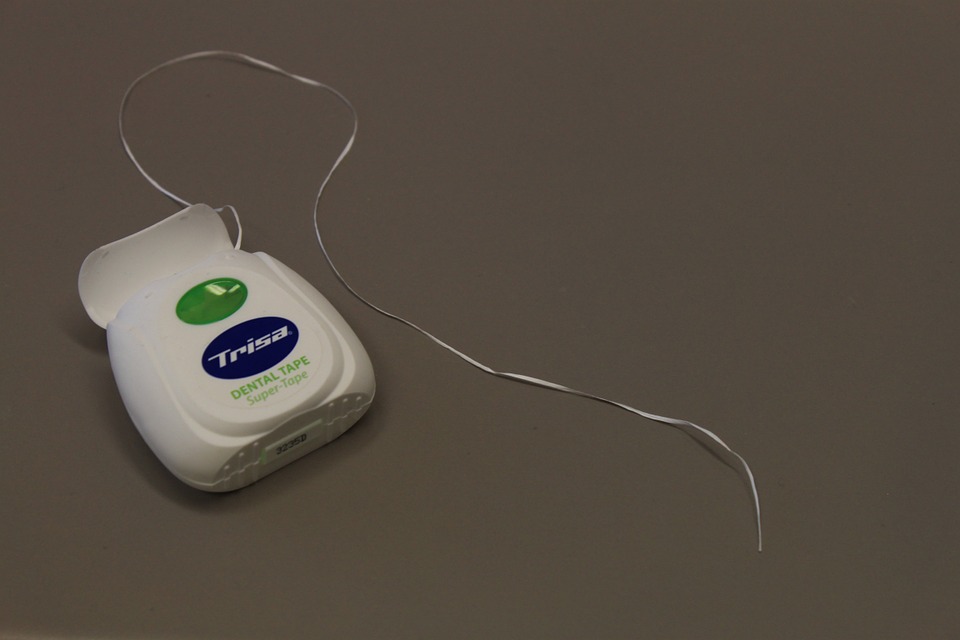
5 Ways To Get The Most Out Of Your Floss

Get the Most Out of Your Floss Routine

You have probably been told many times in the past by various dental professionals about the importance of sticking to a good oral hygiene. While brushing your teeth is an essential part and you should be commended for your efforts, you also need to floss. Flossing whenever they brush their teeth, though, seems to be something that many people find it hard to form a habit of doing.

If you are one of those people, you need to train yourself to floss regularly. Flossing is an important part of keeping your teeth and gums clean and ensuring you have great oral health. While it is recommended that you use floss every day, it is just as vital to floss using the right techniques to successfully remove plaque. If you are not in the habit of flossing every day or just finding it hard to do it right; we have put together a list of tips that will help you to get the very best out of dental floss.

Avoid Being Too Rough And Aggressive

People often make the mistake of being too rough with dental floss, snapping it against their teeth to get to those hard to reach places. The temptation is there particularly if you have teeth that sit closely together. It is all too easy to slide the dental floss between your teeth and work aggressively hard and fast at it, with the mistaken belief that the harder you floss, the more plaque you will remove quickly.

However, when you cut and snap dental floss deep into your gums, you can cause them to recede eventually. Therefore, to keep your gums healthy, you should exercise patience and care when flossing and use a very gentle hand. Although this may make the process a little laborious and feel more like a chore, it will do your gums the world of good in time.

Make Sure You Use Plenty Of Floss

People like to scrimp and save and think they are being very frugal by using as little dental floss as possible. However, there are good reasons why you should use as much as you can. Dentistry professionals recommend you use at least 46 cm of floss whenever you floss your teeth. This might seem like rather a lot of floss, but if you are flossing the right way, you would need that much. In order to floss properly, you need to use the correct technique, that is, by wrapping the floss around your fingers a number of times, with just a couple of inches held tightly between your hands. Your index fingers should then be used to apply the right amount of pressure against the floss as you move it between your teeth.

Using the right amount of floss will give you more control over your flossing movements. Although you may think it will save money, you should never use the same section of dental floss to clean the whole of your mouth. When you floss, you release food debris and bacteria and if you move on to another section of teeth and gums you will just be spreading that bacteria to other parts of your mouth.

Work The Floss in A Zig Zag Pattern

The goal of using dental floss is to remove any plaque that has built up around the contours and edges of your teeth and just below the gums. This tip follows on nicely from the last one. The best way to floss is by using a zig-zag pattern or sawing motion, wrapping the floss securely around both sides of your teeth in order to remove as much plaque as possible each time. Pulling floss from side to side across your teeth chips away at the build-up of plaque safely and effectively.

While flossing, slide the material through your teeth slowly and gently repeatedly. You need to make sure you remove all of the food debris from your gums. This can be done by cupping the floss against each tooth particularly the teeth at the back.

Ensuring that you are using the right technique to floss will mean you get the most out of the process and will, therefore, have a healthier mouth, teeth and gums.

If Possible, Floss At Night Before Bed

When do you floss, if indeed you actually do floss? You may not have realized it, but you could actually get more out of the flossing process by choosing a better time to do it. We think it is worth noting though, that flossing any time of the day is better than never flossing at all. However, if possible, you should aim to floss your teeth just before you settle down for the night in bed. The reason being, you produce less saliva at night and your mouth, therefore, dries out. This, in turn, means that less bacteria is spread around your mouth causing further problems; and your teeth will stay cleaner for much longer.

By flossing at night, therefore, you can also help to maintain a good oral hygiene routine. When you know you are supposed to floss, it will remind you to brush that final time before bed and vice versa.

Always Follow The Same Pattern

It can be very easy to become distracted when you are doing anything in life that is a little repetitive, and let’s face it, boring. For many people, unfortunately, flossing is one of these kinds of tasks. Often people get into the bad habit of not paying as much attention to it as they should. Sure, with some practice, you could floss while carrying out other tasks and activities such as watching television; but at what cost?

Problems arise though when you are not properly focused on flossing, you are more likely to make mistakes, miss teeth or even skip whole sections of your gums and teeth. Always follow the same pattern then, to ensure you floss all your teeth sufficiently. When you do something the same way each and every time you do it, you can establish a good routine.

Therefore, when flossing, try working from the bottom half of your mouth to the top or from one side of your mouth to the other. The actual pattern or routine you establish is not important, as long as you are covering all of your teeth and gums. The crucial thing is establishing a routine that works for you and is one that you can and will follow every single time you floss.

It needs to become a way of life, part of your everyday routine and not just something you do an odd day here and there because you remember to do it.

Further Tips For Good Oral Hygiene

Further to the tips above for getting the most out of your dental floss, there are other things you can do for good oral hygiene.

Brushing is considered the most important part of an oral health routine. So, not only do you need to make sure you are flossing correctly but for the most optimum results, you need to brush your teeth using the correct technique and right amount for each section of your mouth.

If you have flossed correctly, there will be bacteria and food particles in your mouth. Therefore you need to rinse your mouth out after flossing, to ensure you completely remove the debris and bacteria to avoid further complications, so it isn’t just lying around. You can do this using either fresh drinking water or a good quality mouthwash.

When you combine brushing twice a day, at least, using the right technique and flossing afterwards using the technique outlined above with the right amount of floss and the correct amount of pressure; you will ensure that your mouth is as healthy as it possibly can be, and keep tartar, plaque and other nasties to an absolute minimum.
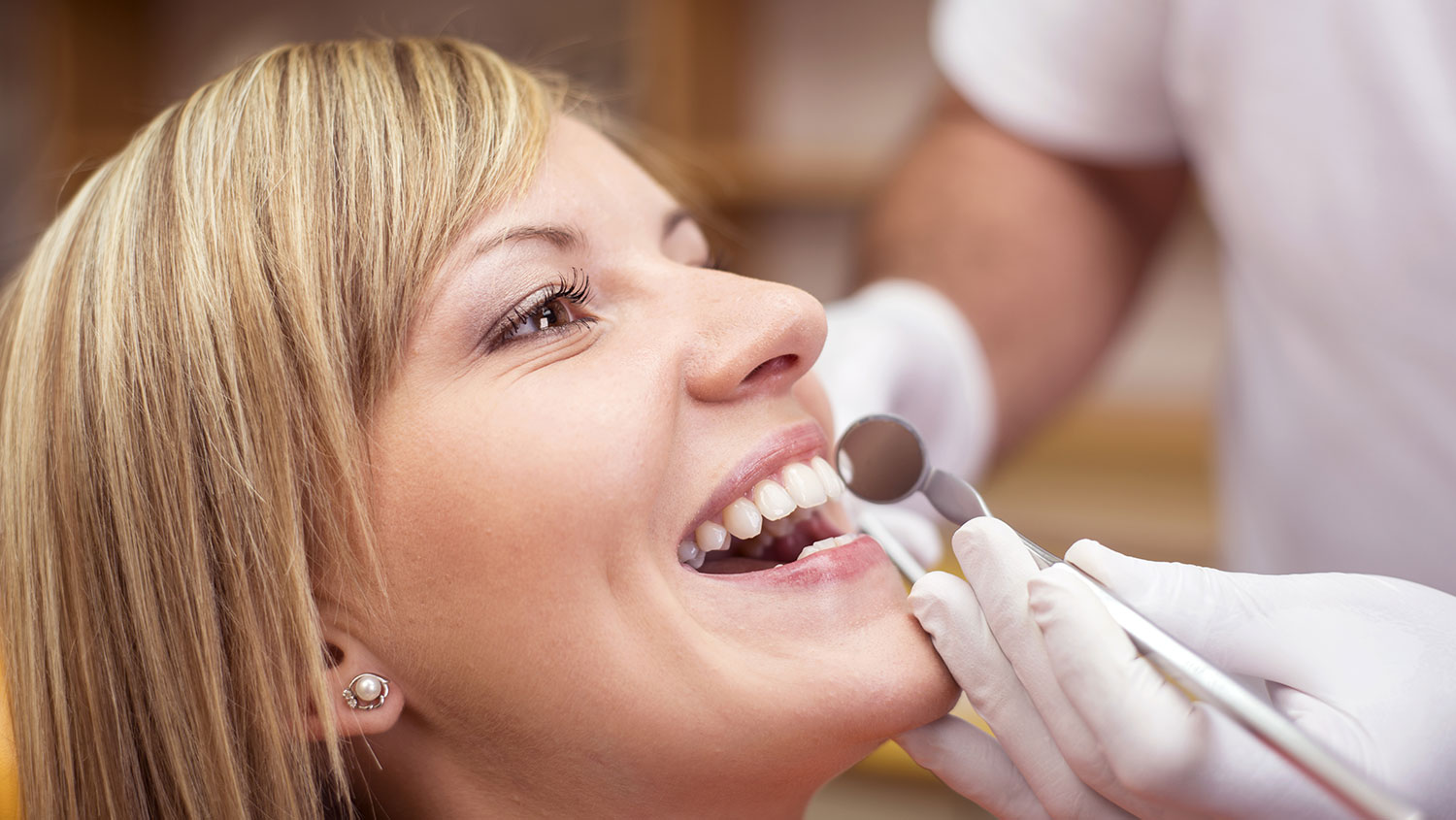
Non-Dental Medical Issues Discovered at Dental Appointments

Non-Dental Medical Issues That Could be Uncovered in a Dental Checkup

While having your teeth examined by a dentist is essential for picking up on all kinds of dental problems, from cavities to gum disease, there are many other medical conditions which have nothing to do with the teeth which can be spotted by a dental professional. Getting regular tooth checkups is not only critical to the health of your teeth and gums, it is also critical to your overall well-being too. While you may not have noticed any signs or symptoms which have indicated that there is something wrong with your health, your dentist may well be able to see telltale signs that indicate that you should seek further medical treatment or testing. Here are just some of the non-dental medical issues which may be uncovered during your checkup.


Diabetes


People who suffer from diabetes may exhibit a number of symptoms inside their mouth, including dryness, receding, bleeding and dry gums or loosening teeth. The diminished immunity and difficulty in combating disease which people who suffer from this problem tend to have makes it more likely that diabetic patients will have difficulty in healing gum line infections and wounds. While bleeding gums do not always indicate that the patient is suffering from diabetes, since the same symptoms can be caused by gum diseases and gingivitis, it could be an early warning sign that would prompt your dentist to suggest that you visit a doctor to have your blood glucose levels checked as the sooner diabetes is diagnosed and treated, the healthier you will be.


Infections


Your dentist may spot an infection inside your mouth which requires the use of antibiotics when checking your teeth. Whether you have had some kind of mouth trauma, a dental procedure or some other problem, an oral infection could be the result. Some of the symptoms of an infection include swelling, redness and severe pain in the affected area together with fevers, skin which is hot to the touch and drainage seeping from the tooth or wound. Since infections can spread around the body, including to critical organs such as the heart and lungs, it is essential to seek immediate treatment to prevent the problem from worsening.


Oral Cancer


Oral cancer is the USA’s sixth most commonly diagnosed form of cancer, and there are over 30,000 cases reported every year. During your regular checkups, you dentist can look for any signs that might indicate that you should have further oral screening tests. These symptoms usually include white or red lesions which are often found on the palate, tongue or floor of the mouth. People who drink a lot of alcohol, those who smoke or those who have been exposed to the human papillomavirus (HPV – the virus which also results in some cases of cervical cancer) are most at risk of oral cancer and should make sure to have regular checkups.


HIV


There are a few oral conditions which might be an indicator that a patient is HIV positive. In pediatric cases, the patient may have swelling to the salivary glands and a dry mouth, and may also have more oral viruses and lesions like herpes zoster, herpes simplex, oral candidiasis and HPV. An adult with HIV could have symptoms such as oral lesion, warts, or brown, purple, white or red spots in the mouth or on the tongue as well as other infections. Periodontitis and necrotizing ulcerative gingivitis may occur in as many as 6% of adult patients with HIV. While these symptoms do not mean that you necessarily are suffering from HIV, if you have several of these signs together, you may need to see your doctor to get a blood test.


Lymph Node, Neck and Head Checks


As well as checking the tongue, gums and mouth for symptoms of oral cancer, dentists can check the jaw, lymph nodes and neck for any lumps or swellings which could indicate an underlying health problem. If your dentist finds an abnormality, they may refer you to your doctor for further testing. Swollen lymph nodes could indicate some types of cancer, and the sooner treatment is sought, the better the outcome is likely to be.


Pregnancy Problems


Pregnant women are advised to always attend regular checkups, since their dentist may spot signs and symptoms which could indicate the health of their pregnancy. Women who suffer from severe gum disease (known as periodontitis) have been shown to be more likely to give birth to a low birth weight or premature baby. This is because the bacteria contained in a pregnant woman with gum disease’s mouth may trigger the release of extra prostaglandin as well as other inflammatory harmful molecules. This may induce an early labor and could impair the growth of the fetus. Although it would be best for a woman to be treated for gum disease before she gets pregnant, she should also be treated as quickly as possible if the problem is discovered after she has conceived.


Heart Disease


Gum disease has been linked to and increased chance of having a stroke or a heart attack, and therefore it is very important to inform your dentist if you have been diagnosed with cardiovascular disease or your close family members have suffered from this condition. It is believed that when there is inflammation inside the mouth, inflammation is increased across the body, including inside the arteries and this inflammation could have a role to play in strokes and heart attacks. If your dentist spots signs of gum disease and inflammation, they can treat the problem thus lowering the risk of suffering from either of these seriously medical problems.


Stress


The human body responds in a number of ways to stress, and if you are having a stressful time at work or at home, there may be symptoms found in your mouth. One common physical manifestation of stress is bruxism. This is when the patient grinds their teeth together. Sometimes, patients do this consciously when stressed, however other people may be affected on a subconscious level and may only grind their teeth in their sleep. Teeth grinding can cause severe damage to teeth, and therefore your dentist is likely to recommend a bespoke night guard to protect them during the night. If you are stressed, you should also get counseling and make some lifestyle changes to reduce the amount of stress you are experiencing.


Poor Nutrition


Patients who are eating badly or who have eating disorders will probably have some signs in their mouth that all is not well with their diet. People who have bulimia may be able to hide the condition from their friends and family, however their dentist will be able to spot the telltale signs, including bleeding gums, a dry mouth and eroded patches on the inside surface of the front teeth. The enamel which covers the teeth can be eroded away by stomach acid and therefore forced vomiting will wear it away causing extra sensitivity when eating hot or cold foods.


Osteoporosis


Although osteoporosis is most common in women who have gone through the menopause, other people may suffer from this condition too. Causing weakening of the bones, osteoporosis may result in loose teeth and a receding gum line, indicating changes within the bones which support the teeth. If your dentist spots these symptoms, they will usually make a referral back to your doctor to have a bone density test.


Attending regular checkup appointments offers many advantages, and not just for the health of your teeth and gums. Your dentist will be able to look out for any unusual changes inside your mouth and will be able to spot potentially serious problems. If they catch conditions early, you will be able to obtain earlier treatment for a more successful outcome.

Flossing Products That Will Change Your Life

While dental health is a very important aspect of overall well-being, there are many people that tend to neglect it. A lot of people spend a fortune on products such as vitamins, supplements, and skin products in order to look and feel good. However, when it comes to their oral health they make do with a quick brush twice a day and perhaps some mouthwash if they are really dedicated.

It is important to remember that problems with your teeth can lead to all sorts of issues. The areas between your teeth, known as the interproximal or interdental area, can harbor a lot of germs and bacteria, and simple brushing and gargling won’t do much to help. You need to be able to get to the areas between each of your teeth so that you can remove any debris such as food particles. Unless you do this, the debris will be left there to fester and this could eventually lead to infections, gum problems, and even tooth loss. In addition, it can lead to very bad breath, which can cause embarrassment and stress for individuals.


The importance of flossing


In order to tackle the problem of cleaning between the teeth, you need to invest in a good flossing product. These products are designed to get between those tiny gaps so that any particles and debris can be effectively removed. You can then brush and gargle as normal and your mouth will feel noticeably cleaner and fresher. Do bear in mind that flossing is not something that you should do once or twice before the novelty wears off. It is also not something that you just do on occasion. This should be part and parcel of your oral health routine and should be done on a daily basis.


If you are under the impression that this sounds like way too much hassle, think again. Flossing takes just a few minutes and considering the oral benefits it provides this is a few minutes very well spent. All you need to do is find the flossing product that best works for you.


Flossing amongst people in the United States has become increasingly popular over the years. We’ve all seen movies where someone is standing at the sink busily flossing. Well, this is exactly what many people love to do here in America. However, there are still way too many people who do not put enough emphasis on flossing as part of their dental health regime.


Using one of the many flossing products available today

flossing, oral care, dentistry, flossing product

While dental health is a very important aspect of overall well-being, there are many people that tend to neglect it. A lot of people spend a fortune on products such as vitamins, supplements, and skin products in order to look and feel good. However, when it comes to their oral health they make do with a quick brush twice a day and perhaps some mouthwash if they are really dedicated.


It is important to remember that problems with your teeth can lead to all sorts of issues. The areas between your teeth, known as the interproximal or interdental area, can harbor a lot of germs and bacteria, and simple brushing and gargling won’t do much to help. You need to be able to get to the areas between each of your teeth so that you can remove any debris such as food particles. Unless you do this, the debris will be left there to fester and this could eventually lead to infections, gum problems, and even tooth loss. In addition, it can lead to very bad breath, which can cause embarrassment and stress for individuals.


The importance of flossing


In order to tackle the problem of cleaning between the teeth, you need to invest in a good flossing product. These products are designed to get between those tiny gaps so that any particles and debris can be effectively removed. You can then brush and gargle as normal and your mouth will feel noticeably cleaner and fresher. Do bear in mind that flossing is not something that you should do once or twice before the novelty wears off. It is also not something that you just do on occasion. This should be part and parcel of your oral health routine and should be done on a daily basis.


If you are under the impression that this sounds like way too much hassle, think again. Flossing takes just a few minutes and considering the oral benefits it provides this is a few minutes very well spent. All you need to do is find the flossing product that best works for you.


Flossing amongst people in the United States has become increasingly popular over the years. We’ve all seen movies where someone is standing at the sink busily flossing. Well, this is exactly what many people love to do here in America. However, there are still way too many people who do not put enough emphasis on flossing as part of their dental health regime.


Using one of the many flossing products available today

flosser, water flosser, dental care, oral routine

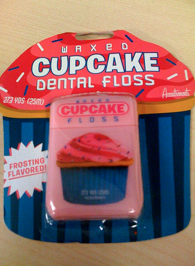
  • Archie McPhee Cupcake Dental Floss: Okay, we all know that part of looking after your dental health is to avoid sugary foods. However, this is far easier said than done if you happen to be one of the many people with a sweet tooth. The great news is that you can now have the best of both worlds. This cupcake dental floss has a delicious frosting flavor that will help to keep those cravings at bay while also keeping aiding your oral health. The waxed floss is ideal for cleaning between your teeth effectively but you can enjoy the added bonus of frosting flavor as you do it.


  • Spry Dental Sponge Floss with Xylitol: Derived from plants, xylitol is a natural sweetener and over recent years has been proven to offer oral health benefits. This is a product that can help to neutralize pH levels in the mouth as well as reducing the risk of bacteria getting stuck to the teeth. With this dental floss, you can enjoy the benefits that xylitol offers. The sponge floss is gentle on the mouth, very effective and cleaning the interdental areas, and is coated with xylitol to boost your oral health and provide you with a great taste while you are flossing.


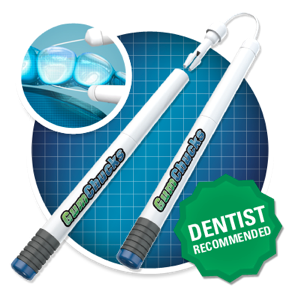
  • Gem Dental Power Floss: When you visit the dentist, you will have seen the various high-tech tools that they use to get your teeth looking and feeling super-clean. Well, you can now experience this in your very own home with Gem Dental Power Floss. This innovative tool uses Air Fusion Technology to direct water between the teeth and remove debris as gently but effectively as possible. The product is very simple to use, as all you need to do is fill it with water, direct it toward the gums and teeth, and press the button. You don’t even need power or batteries, making this the ideal tool for flossing both at home and when you are away.


Conclusion


As you can see, the world of flossing products has changed dramatically over recent years. We are no longer resigned to using tools that put you through pain and discomfort in order to enjoy better dental health and hygiene. With these products, you can look forward to a far more convenient and comfortable way of getting your teeth really clean. Better still, you can use some of the more fun products to teach your kids about the value of flossing – something that they will thank you for in years to come.


Whitening with Activated Charcoal – Does It Live Up to the Hype?

Your smile is one of your greatest assets. It is often the first thing that people notice about you. Not only does the condition of your teeth say a lot about your health but it also indicative of your investment in yourself.

Have you ever tried to smile and hide your teeth because you are self-conscious of your yellow or stained teeth? You may try to smile shyly or use a half-smile to completely cover your teeth. Activated charcoal can be equally as effective as specialized toothpaste or dental treatments in maintaining your bright smile and boosting your confidence.

Recent research by Oral-B suggests that a white smile could be the key factor in making a first impression – from landing that job you have always wanted or even a date with that cutie you met the other day. White teeth requires regular oral health care, dental-friendly diet, and professional treatments. Currently there is a natural product making waves in the DIY whitening sphere, due to its near-magical effect on oral care. Charcoal is no longer just for your BBQ grill – the activated element is an ancient natural remedy that may have a place next to your toothbrush.

What is Activated Charcoal?

Activated charcoal is a purifying agent that is made from coal, wood, or other substances and has the ability to absorb impurities. It becomes “activated” when high temperatures mixed with a gas or activating agent that creates pores. Once this substance has become activated, it can be used as a medicinal treatment to target a myriad of toxins and physical aliments.

Activated charcoal is traditionally used in hospitals to treat poisoning, most commonly, drug overdoses.

The activated charcoal surge is a rebirth of ancient medicinal techniques. Dating thousands of years, humans have been utilizing activated charcoal to treat the root of of medical issues, not just the symptoms. As early as 1,500 B.C., Egyptian records showed that a type of charcoal called “activated charcoal” was used to absorb unpleasant odors from putrefying wounds.

During World War I, activated charcoal was actually used in gas masks to help prevent soldiers from chemical exposure on the field. It has an affinity for absorbing toxins that have a detrimental effect on the cells of the body. Additionally, since the 1930s, this substance has been used to treat water while making it safer to drink, compared to the action of other substances like fluoride.


The Gritty Truth


Now, thanks to social media, this ancient method has become one of the top beauty and health trends of 2017.

Activated charcoal’s surface area creates microscopic pores that have the ability to draw in and even trap toxic substances like a sponge. According to a study published by the National Institutes of Health, activated charcoal helps to prevent toxins from being absorbed by the body by up to 47 percent. As such, activated charcoal has long been known by Eastern medicine practitioners as a quick and effective ingredient to enhance teeth whitening.

Essentially, acidic food can slowly eat away at your tooth enamel and reveal the dentin, or the layer below the enamel, which is yellow and cannot be whitened. Surface stains, also known as extrinsic stains, come from dark colored foods and drinks like red wine and coffee. While surface stains can generally be removed with ease, deeper intrinsic stains come from within the tooth can create those unsightly stains that make you self-conscious of your smile.

Activated charcoal may even be used as an alternative to different kinds of toothpaste that contain fluoride, which is a substance that is detrimental to the cells of the body.

Charcoal Teeth Whitening Trend

You can take control of your oral health without having to use bleach or other abrasives on the market. Activated charcoal may lead to better oral health while also preventing gum disease, bad breath, gingivitis, and even cavities. Since charcoal acts as a detoxifier, it is able to change the pH balance in your mouth that can deter the damaging effects of acidic substances on the enamel of your teeth.

Since the active ingredient only comes into contact with the surface of your tooth for a short time, it may act as an effective method to lessen and reduce unwanted yellowing or stains on your teeth. With this simple natural alternative, you can avoid expensive dentistry and take control of your health with ease. In theory, activated charcoal binds to microscopic substances that cause stains and a build-up of tartar like bacteria and viruses, thus improving oral care.


Is Black the New White?


Activated charcoal has been incorporated in many different cleansing products that are either applied to the skin or consumed as an antioxidant. It has been found in face masks and cleansers that pull out toxins from deep in the skin. In many ways, the active ingredients in this natural substance have the same effect on teeth leaving them feeling clean and smooth.

Charcoal removes toxins and reduces the presence of acne and other skin impurities that are caused when the body is trying to excrete any toxin. Essentially, it can even help to completely remove makeup each day without leaving residues that build up over time. For this reason, activated charcoal is also infused with different soaps that can be used as body wash.
Activated charcoal is available in the following dosage forms:

• Liquid
• Suspension
• Tablet
• Tablet, Chewable
• Kit
• Powder for Suspension

This detoxifying ingredient compares to other healthy alternatives that gently cleanse the cells of the body. Natural remedies generally call for the use of baking soda, turmeric, apple cider vinegar and bananas that contain high amounts of minerals that fight bacteria and viruses while boosting the immune system. These ingredients are often diluted with water and applied to the skin to be absorbed by the body to create the desired effects.


How to Use Activated Charcoal


Activated charcoal has long been known as an excellent teeth whitener, which is why it can be found in re-mineralizing toothpaste. Activated charcoal as a whitening method performs the same way it does when ingested: it pulls toxins from the mouth and removes stains.

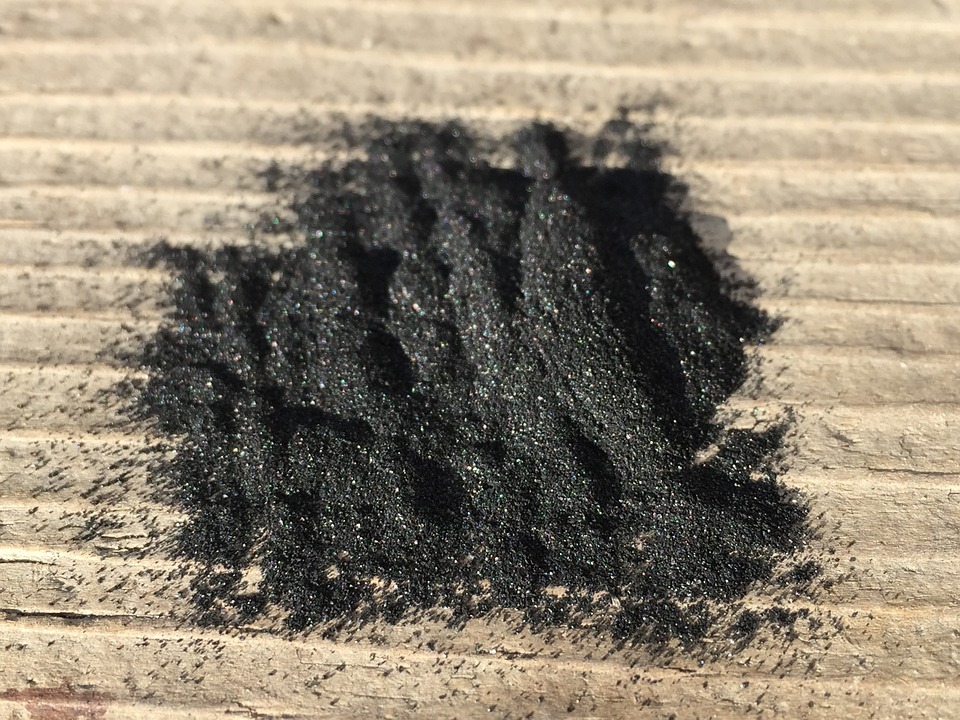
The first thing you want to do is either break open one of the charcoal capsules, mix the powder with water, or swish the powder in your mouth using a specialized re-mineralizing toothpaste. The technique that you use will completely depend on what form of the substance you have. In order to mix the perfect blend, you can dip a clean, wet toothbrush into powdered charcoal or even dump a capsule of it onto your toothbrush.

While brushing, make sure to lean over the counter because this substance will stain everything black. It is estimated to brush your teeth in small circles for approximately two minutes, spit carefully, then rinse really well and thoroughly. This natural ingredient has an immediate effect on your teeth, leaving your your mouth refreshed and your teeth smooth.


Getting the Results You Want


After the first brush and rinse, your mouth will feel clean and bacteria free. While it is also a good idea to avoid drinking acidic substances and eating food that can stain your teeth, the addition of activated charcoal in your dental routine can enhance your overall oral health. For the strongest whitening effects, it is recommended to brush your teeth with this substance a few times a week until the desired results have been reached.

Using this age-old ingredient can bring out your smile’s glow naturally. The only side effects associated with this substance is that it can cause constipation and other mild, yet uncomfortable symptoms if ingested.

For more stubborn staining, Sheehan Dental offers professional whitening services. At home treatments can be an important component of your oral care routine, but professional cosmetic dentistry yields the most dramatic and immediate effects. Give us a call today to schedule an appointment for our whitening services!

Sources:
(1) https://www.ncbi.nlm.nih.gov/pubmed/15822758

Dental Care You Should Be Doing on a Daily Basis

So here’s the interesting thing about the current dental program of most adults: typically, our dental habits were developed at an early age, and we maintain those habits throughout our adult lives. But, what if what we learned as a child wasn’t quite right? Or, what if we slacked off during our teenage years and poor dental habits became ingrained in our current daily behaviors? This is why it’s a great idea to refresh your notions of daily dental care and ensure that no tools or good habits are absent. Because when they are, we create the potential for serious issues in the future. Without further delay, here are several tips for daily dental care you should be doing.

dentistry, teeth, toothbrush, floss, mouthwash

Twice A Day

Obviously, you’re brushing daily (we certainly hope you are), but are you brushing twice a day, or are you that person lying on the couch at night who dreads the notion of having to drag themselves to the bathroom to tend to matters of hygiene? Well, you should definitely get off the couch. Why? It’s important to clear away as much food debris as possible. Without this process, you’re inviting the bacteria in your mouth to a buffet featuring all of the leftover food you ate throughout the day. The bacteria in your mouth devour this feast and, as a result, release substances that are damaging to your overall dental health, which lead to the usual suspects: gum disease, cavities, etc.


Tongue In Cheek

Our tongues are the oft-forgotten, red-headed stepchildren of our daily brushing process. After a good night’s sleep, there are infinite bacteria that have been having a rave party on your tongue—glow sticks, thumping dance music, the whole nine. Properly cleaning the surface of your tongue is the equivalent of turning on the lights at that awesome party. Purchase a tongue cleaner and make the tongue scrubbing a permanent feature of your daily dental regimen.


Floss

Now, I know you’ve heard this one, but somehow, many of us still manage to ignore (or avoid) this important piece of wisdom. Flossing is an excellent daily dental habit and a very effective means of removing stubborn plaque from places where your brush is less effective. While brushing twice daily is a must, flossing catches the plaque often left behind, the plaque that over time contributes to gum disease and tooth decay. “But I use a toothpick all the time!” While we applaud your effort and enthusiasm, flossing is still far more effective and a far better daily practice.


Brush Properly

But wait, are you even brushing your teeth properly? Imagine realizing that, as an adult, you’ve been brushing your teeth improperly your entire life! Don’t feel bad; it happens. But how should one brush their teeth?

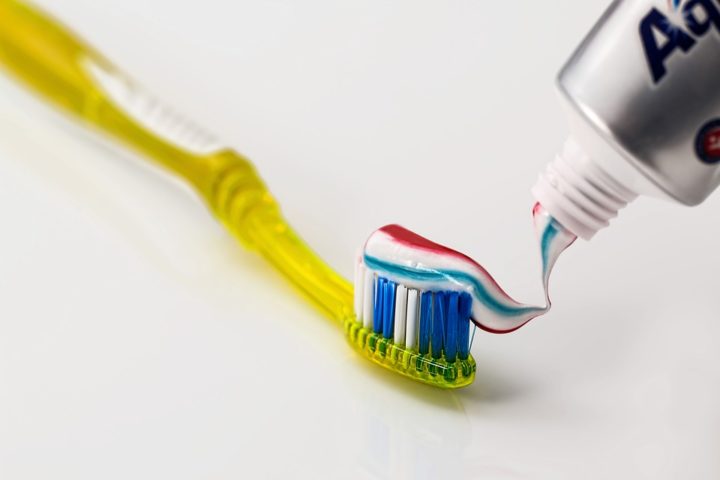
Use only a pea-sized amount of toothpaste

  • Brush your teeth at a 45-degree angle.
  • Spend 2-3 minutes brushing your teeth. Time yourself!
  • Make sure you’rebrushing the outer, inner, and top surfaces of the teeth. brush, toothpaste, dental, hygiene, teeth
  • Don’t forget the molars in the back. Molars need love too.

http://www.wikihow.com/Brush-Your-Teeth

For those of you who are more visual, of course, there are instructional videos on YouTube:


Eat Properly

Yes, you’ve repeatedly been bombarded with the benefits of a healthy diet, as we all have, and surprise, surprise—those benefits extend to your teeth as well. Daily nutrition plays a key role in great dental care, including a diet rich in veggies, fruits, grains, and legumes. And, of course, you want to limit your intake of sugary foods (cavities!), as the residue from sugar tends to remain in the teeth and inflict acidic damage. Also, try refraining from eating too late. As we sleep, we produce less saliva in our mouths, thus diminishing our mouth’s ability to clean itself throughout the night.

teeth, staining, oral, care, dentistry

Limit your intake of sodas, coffee, and alcohol—a great idea outside of the discussion of dental health—but high levels of phosphorous in addition to food coloring and high fructose corn syrup can wreak havoc on your pearly whites. Grab a tall glass of water instead. Drinking adequate amounts of water is not only good for your overall health, it’s critical to aiding the creation of saliva, which helps with digestion, fends off tooth decay, and battles against germs. Yes, easier said than done, but your teeth will thank you later.


Go Soft On Them

You, like many, may assume that brushing harder and more frequently (more than twice a day), would be an awesome part of your dental regimen. Well, you’d be wrong. While our teeth are very hard and strong and your efforts to take care of your teeth are to be lauded, excessive and vigorous brushing can have negative consequences: they can lead to sensitive teeth and activate gum recession (leaving sensitive roots exposed), which can promote discomfort and infection.

Excessive and overzealous brushing affects a pretty significant portion of the population, with many causing unnecessary damage as a result. Plaque comes off of your teeth much easier than you think and doesn’t require the use of excessive force. So keep it to twice a day and be gentle.


Use Mouthwash

Did your mom make you use that awful, brown fire water disguised as mouthwash when you were a child? The one that felt like you were gargling rubbing alcohol? If you’re like me, you were traumatized as a child, and you may have shied away from the practice of using mouthwash. Well, I would recommend that you tuck those horrible memories away and bring back the mouthwash.

While I won’t say that using mouthwash is an absolute necessity, the benefits of a daily dental regimen that includes brushing and flossing are real. Adding mouthwash into the mix turns a good daily dental regimen into a great one. Also, if you have specific dental issues—gingivitis or dry mouth, for example—talk to your dentist about therapeutic rinses, which can be prescribed to target and aid your specific oral issue.


Storage Is Important

After a vigorous brush, are you laying your toothbrush down on its side, allowing bacteria to grow and fester between the bristles? Do you run water over brush for a mere second or two before grabbing your coffee and hurling yourself out of the door and off to work? Hmm. Not good. Make sure that you’re taking good care of your dental equipment in addition to taking care of your teeth. Rest your toothbrush upright so that it can properly dry out, which helps avoid mold growth. And rinse your toothbrush properly to clean out all of the bacteria you just scrubbed out of your mouth.

Unbeknownst to many, the health of our teeth plays such an important role in our overall health. Dental issues can lead to a host of problems, including heart disease and massive infections. In other words, it’s absolutely worth your time to invest in creating a daily system for taking great care of your pearly whites. If you do the work and serve your teeth, they’ll serve you back. Employ each of the practices you’ve read above and make sure everyone in your household is doing the same.

And of course, twice a year, you should be stopping by the dentist for annual checkups and cleaning. Our team would be honored to become your partner in helping you maintain your beautiful smile and supporting optimal dental health.