Types of Non-Surgical Periodontal Therapy

Periodontal Therapy – Periodontitis

Periodontitis, also commonly referred to as gum disease, is one of the most common diseases in the world; it’s estimated to affect almost half of all Americans. Whilst common, the condition can be very serious, as the structures that support teeth become inflamed; this can cause teeth to fall out and the jaw to be severely damaged.

Periodontal disease can be reversed in its very early form, a condition known as gingivitis, but once the gum disease has advanced, the only option available is to treat the disease and manage the symptoms. Treatments available include both surgical and non-surgical options.

It’s often the case that non-surgical options for managing the condition will be explored first, as they’re normally more affordable and significantly less invasive. While non-surgical treatments are not always possible, or the most effective option, they can be incredibly beneficial in many cases. Non-surgical treatments are often where dentists choose to begin when suggesting initial treatment for periodontitis.

Periodontal Diseases Treatment in Palos Park, IL

The main purpose of non-surgical periodontal therapy is to get rid of bacteria and toxins from teeth in order to better control the infection. Depending on the type of periodontal disease that a patient has, the exact treatment course will vary. Sometimes minor treatments can be suggested to address the early signs of periodontal disease, whilst in other situations, more extensive non-surgical treatments will be required.

Non-Surgical Periodontal Therapy

Here are six examples of non-surgical periodontal treatments, some very common and some relatively new, that may be suggested by your dentist for the treatment of periodontitis:

1. Improved Oral Hygiene

One of the most important areas of periodontitis management is good oral hygiene, so it’s often the case that oral health training is where a treatment plan for non-surgical periodontitis therapy will begin. It’s very important for people with periodontal diseases to look after their oral health, so a dentist may suggest a number of improvements to a patient’s daily oral hygiene routine.

The suggestions could include which products to use to maintain the best oral hygiene, such as using a different toothbrush, mouth wash, or toothpaste. Different techniques for brushing and flossing may also be suggested, as well as other habits for good oral hygiene, like the use of interproximal brushes. Other changes, particularly to lifestyle, could be suggested; giving up smoking is one of the most important changes for good oral health.

2. Routine Cleaning

Routine cleaning is normally advised as a preventive measure against developing periodontitis and as a great addition to everyday oral hygiene practices, yet, it can also be suggested as a non-surgical treatment for periodontal diseases. For patients that have shown signs of early gingivitis, regular routine cleaning can be used to address the problem by removing dental plaque.

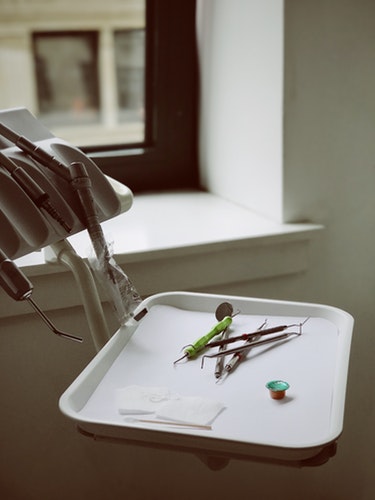
Normally, a routine cleaning will involve plaque and tartar being manually removed by the dentist with a scaler. The area around the gum line and the area between teeth will be targeted during this treatment. Professional cleaning at a dental practice is normally advised at least a couple of times per year to maintain excellent oral health.

3. Deep Cleaning (Scaling and Root Planing)

Scaling and root planing are a combination treatment that’s advised in a vast majority of cases where patients require non-surgical periodontal therapy. Deep cleaning is normally used as part of ongoing therapy, where a maintenance plan is designed by the dentist. Yet, in some cases, scaling and root planing can be so successful that it’s the only treatment that’s required to manage periodontal diseases, with the exception of a good oral health routine.

The first stage of the treatment, scaling, involves the removal of tartar and plaque from the teeth. During the scaling, a special instrument will be used to remove the plaque and tartar from above the gum line; this is sometimes achieved in one appointment, but it’s not uncommon for multiple appointments to be required.

The second stage of the treatment, root planing, involves cleaning under the gums. Rough areas will be smoothed out during the treatment as the root surface is scaled. Root planing normally requires the use of an anesthetic and is generally undertaken in conjunction with scaling.

Scaling and root planing treatment addresses both existing tartar and plaque build-up, as well as the reoccurrence of plaque and tarter, as both will have much more difficulty forming on the newly-smooth tooth surface. In many cases, this treatment will be the first point of call for dentists looking for the best and most effective way to treat more advanced cases of periodontitis.

4. Antimicrobial Medications

Locally delivered antimicrobial medications are another common non-surgical periodontal therapy used by dentists to manage periodontitis. This treatment is normally used in conjunction with scaling and root planing treatment, as the success of this therapy is often dependent on the success of scaling and planing.

During this treatment, the antimicrobial medications are placed in periodontal pockets with the purpose of either temporarily stopping or permanently removing bacteria related to gum disease. Often, the use of antimicrobial medications will need to be ongoing and are commonly suggested in cases where an area of the mouth has persistent problems.

5. Host Modulation

Host modulation therapy is a new concept in the treatment of periodontal diseases but has been used for a number of years to treat very different conditions, such as arthritis. The purpose of host modulation therapy is to change host response factors by using perioceutic agents, in order to stabilize inflammatory tissue and lower the destruction of tissue.

As an adjuvant treatment, host modulation is used in conjunction with primary surgical and non-surgical treatments for periodontitis. Due to the relative newness of this treatment for periodontitis, the full extent of its benefit is still being researched.

6. Periodontal Maintenance Program

Once the active treatments for periodontitis have been completed, the next part of ongoing therapy is often for a maintenance program to be created by a dentist. The idea behind the maintenance program is to maintain good oral health with regular visits to the dentist.

During regular appointments, that will normally be scheduled closer together than normal dental check-ups, a dentist will assess oral health and ensure that the disease is controlled. Additional cleaning may need to be undertaken in these appointments, and an examination of gum recession and pocket depth is also likely to take place. With regular care, periodontal diseases can often be managed, and the symptoms reduced.

Non-Surgical Periodontal Therapy at Sheehan Dental in Palos Park, IL

The best way to combat periodontal diseases and limit the harm that they can cause is to make sure that the disease is caught early – this will help you to avoid surgical treatment and improve the success of non-surgical treatment.If you’re concerned that you may have periodontitis or are looking for the best non-surgical treatments options to control the symptoms of the disease, then the experts at Sheehan Dental in Palos Park, IL can help!

Get into contact with us today to arrange for an appointment with one of our dental experts to talk about the options open to you for periodontitis prevention or surgical and non-surgical treatment.

Dental Implants vs Dentures – What’s the Difference?

Dental Implants vs Dentures

When a child loses a baby tooth it’s a very important milestone in their development, but when an adult or teenager loses a tooth it can be incredibly worrying. Losing a tooth as an adult can drastically change the appearance of your smile, making you lose confidence in the look of your teeth and causing you to adjust the way that you eat and drink.

Tooth loss can be the cause of an injury sustained to the mouth or it can be the result of a disease or tooth decay. No matter the reason behind the tooth loss, receiving treatment for the lost tooth from a family dentistry is of the upmost importance, both for your oral health and for the confidence that you have in your smile.

Two treatments that are often suggested in the event of a lost tooth are dental implants and dentures. Both of these treatments are able to restore the natural look of your smile but in very different ways, that certainly aren’t interchangeable.

If you’re looking for the best way to give you back your smile, or your dentist has recommended one of the treatments, then you may be wondering which treatment is best, or why one has been suggested and not the other. Well, here’s everything that you need to know about the two highly popular but very different treatments…

What Are Dental Implants?

Dental implants are not what many people think they are; they’re not a replacement for a missing tooth, but a replacement root that will be able to hold a replacement tooth in place. A dental implant is a very modern way of overcoming the problem of lost, broken, or damaged teeth where the tooth needs a complete replacement.

A dental implant is often made from strong titanium steel that is capable of properly supporting a replacement tooth. The replacement tooth will then commonly either take the form of a crown or a bridge, which offers the option of being permanent or removable.

The aim of a dental implant is to make the replacement tooth look as natural as possible and have the function and feel of a natural tooth. Often people find that with a dental implant, their ability to chew food and the sensation of chewing is very close or undisguisable from a natural tooth.

What Does Dental Implant Treatment Involve?

Dental implant treatment involves surgically fusing the titanium steel post to the jawbone. This procedure is performed by a specialist in general or family dentistry and is undertaken whilst the patient is under a local anesthesia.

Once the post has been implanted, the area is left to heal for up 3 months, during which time the bone will heal around the post. As soon as the area has properly healed, a specially made replacement tooth can be attached to the implant to achieve a natural look.

When Are Dental Implants Recommended?

Having a dental implant has many benefits, like the implant not impacting the surrounding teeth and the ability to speak and eat like normal after the procedure. However, dental implants are not a treatment that is recommended for everyone.

For a dental implant to be recommended, a dentist has to be certain that the bone where the post will be implanted is healthy. The bone will need to be strong enough to be able to support and hold in place the replacement tooth.

Dental implants are also more likely to be recommended in cases where just one or two teeth require replacement, but in some situations, it’s possible to have more than a couple of teeth replaced via dental implants.

What Are Dentures?

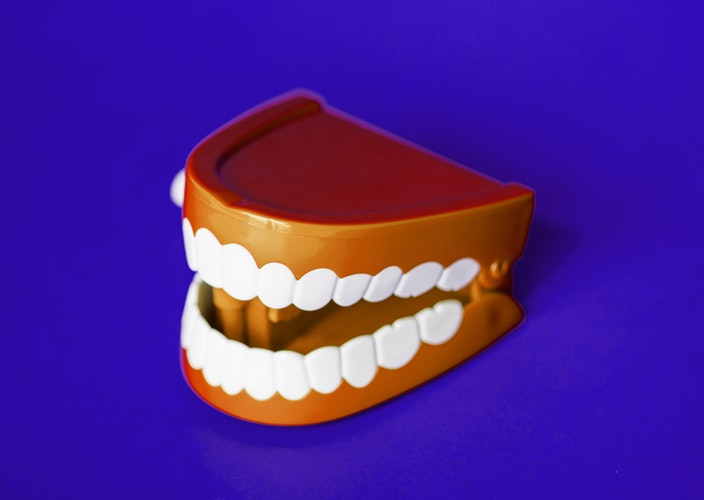
Dentures are very different to dental implants in look, feel, and function, as well as in the procedure involved in creating them. A denture is a solution to one or more missing teeth and takes the form of a full or partial removable base that is designed to fit over the gums or be clipped into place. This base or framework will contain one or more replacement teeth.

The two types of denture, partial and full, are slightly different. A full denture can be a complete horseshoe shaped replica of the bottom teeth, or a replica of the top teeth that is held in place with a cover for the top of the mouth. A partial denture uses a metal framework, and to keep the replacement teeth in place, clips are often used.

What Does Denture Treatment Involve?

The process for creating dentures can change depending on the patient, but commonly it’ll involve taking impressions of your mouth, before bite molds are created that will enable your dentist to check whether your dentures will be comfortable. The denture will then be created to match the color and shape of your teeth as closely as possible.

A denture is fitted once damaged teeth have been removed or after you’ve had dental treatment after losing or fracturing a tooth. Dentures can normally be fitted straight away after treatment, but they will likely need replacing once the area has properly healed, so many people choose to wait to have them fitted.

When Are Dentures Recommended?

Dentures are commonly recommended when a large number of teeth require replacement. They’re also a much better option for patients that have weak or unhealthy bones and gums, as the process involved for dental implants is much more strenuous and requires significant support from the jaw bones.

Dental implants and dentures are two very common solutions to the same problem of lost or damaged teeth, both with the aim of restoring your smile and the function of your teeth in the most effective and natural way possible. If you’re worried about lost or damaged teeth, then visiting your local family dentistry practice is the first step that should be taken to restore your smile.

Tooth Enamel Health Means Much More Than Just Brushing

Though your smile is perhaps the most striking part of your body, it is also one of the easiest to damage, as well as extremely difficult restore because of the very thing protecting it: the tooth enamel.

Covering the outer layer of your teeth, the tooth enamel is the hardest and most highly mineralized substance in the human body, which is why it is the primary defense in preventing tooth decay. Tooth enamel protects the inner layer of each tooth from the corrosive effects of acids and plaque, as well as from extremely hot or cold food and beverages.

Unlike the rest of the human body, tooth enamel is not comprised of any living cells and therefore cannot regenerate, making it even more important to take active steps to care for your tooth enamel while you still have it.

The Ultimate Guide to Tooth Enamel

tooth enamel, teeth, oral care, general dentistry

Damage To Tooth Enamel

Because tooth enamel does not contain living cells, it’s difficult to feel its damage as you might other parts of your body like skin or muscle. According to the oral health specialists at Crest, tooth enamel can be damaged in two different ways: abrasion and erosion. Abrasion occurs when something rubs against the tooth, such as brushing too hard, scraping with a toothpick, and other rough activities.

Erosion, on the other hand, occurs through overcontact with dietary acids from certain foods and beverages or from stomach acid. Vomiting is the leading cause for exposing tooth enamel to stomach acid, which may be produced through habits such as bulimia or binge drinking. Additionally, gastroesophageal reflux disease, acid reflux, or heartburn can lead to the erosion of tooth enamel, according to Crest.

Because tooth enamel does not contain regenerative cells like your bones, it won’t go back. Therefore, to strengthen tooth enamel, it’s important to fight abrasion and erosion. Fortunately, the steps to combat tooth enamel decay are easy everyday decisions that can stop the degeneration in its tracks.

Reinforce With Fluoride

Fluorine is a chemical element naturally found in the Earth’s crust, from which the substance fluoride is derived. According to the Royal Society of Chemistry, fluorine was not commercially produced for widespread use until World War II, after which led to the widely controversial but scientifically defended practice of public fluoridation. As outlined by the American Dental Association, research dating back to the ‘40s has proven that fluorides below two parts per million in drinking water helps prevent decay in tooth enamel by at least 25% in both children and adults.

Basically, fluoride strengthens tooth enamel by making it more resistant to the dietary acids of erosion. Because of the long-term dangers of weakened tooth enamel, fluoride has been added to nearly 75% of the U.S. population’s drinking water over the past 70 years, according to the Centers for Disease Control and Prevention, which has cited community water fluoridation as one of the ten great public health achievements of the 20th century. The fluoridated water people drink becomes a part of their saliva, which then continually washes the tooth enamel to build its strength.

You may further reinforce your tooth enamel with fluoride with toothpaste and mouth wash that contains the substance, as can be determined by an ADA seal of acceptance on the package. Children under the age of six may use either, but only under recommendation from a dentist, and under supervision of an adult, just in case they accidentally ingest while they rinse. Additionally, fluoride supplements are available for children living in areas without fluoridated community drinking water, an option accessible by prescription only. Some health facilities even offer free walk-in dental clinics to offer children fluoride treatment to strengthen tooth enamel, as reported by the Lawrence Journal on their local news.

Cut Back On Degenerating Agents

As everybody knows, sugar leads to tooth decay; however, it’s more specifically the type of oral bacteria that feed on those sugars which then destroys the tooth enamel, according to the National Institute of Dental and Craniofacial Research. When you frequently consume food and drinks with high sugar content, the oral bacteria produces more acids that wear down the tooth enamel throughout the day. Other foods that cling to the teeth for an extended period of time, such as chips, dried fruit, hard candy, dry cereal, cookies, and more, also lead to greater erosion of the tooth enamel as they’re less easily washed away by saliva.

Saliva is actually one of the most important guards against erosion of tooth enamel, as outlined in the Journal of Applied Oral Science. Saliva helps dilute and eliminate the acids that build up on teeth, and is comprised of many components such as calcium, phosphate that helps strengthen tooth enamel and remineralize dentin, the layer of tooth just under the enamel. Though the enamel itself cannot be rebuilt without regenerative cells, the dentin is a calcified tissue of the body and therefore continues to form throughout life.

Increasing salivary flow can help strengthen tooth enamel as it removes the tough acids that wear down the teeth and decays the dentin. The physical act of chewing itself increases the flow of saliva in your mouth, according to extensive information from the American Dental Association, a fact that has led many cultures throughout time to create their own version of chewing gum.

The ancient Greeks chewed sap from their mastic trees, the ancient Mayans chewed sap from their sapodilla trees, and indigenous tribes from the American Northeast chewed sap from their spruce trees, which they eventually passed on to European settlers, according to the Smithsonian Institute. Today, gums are produced through a blend of synthetic materials as well as sugar. Sugarless gums, as identified only by the American Dental Association seal of authority, are sweetened by non-cavity causing substances and therefore only help increase salivary flow, invigorate the mouth with extra calcium and phosphate, and wash away damaging acids. The ADA therefore advocates chewing sugarless gum for 20 minutes after meals.

Eat Fortifying Foods

fortifying foods, tooth enamel, enamel strengthening, General Dentistry

Ironically, humanity’s state of oral health declined for a time despite the advancements in dental technology. Called the “Isaac Newton of Nutrition,” Dr. Weston A. Price was a dentist from Cleveland, Ohio who committed his career at the turn of the twentieth century to traveling the world to research the world’s state of oral hygiene.

First published in 1939, Price’s book Nutrition and Physical Degeneration: A Comparison of Primitive and Modern Diets and Their Effects has laid the groundwork for much of today’s understanding of the effects of dietary choices on oral hygiene. Through studying isolated villages throughout the world, Price discovered that primitive tribes with diets rich in nutrients and unprocessed foods had much better oral hygiene that his modern patients of the Western world, whose teeth were instead crowded, crooked and deteriorating much faster than the advances in dental technology would suggest. Price therefore concluded that a diet of fortifying foods, diverse in their nutrients, is imperative to maintaining your oral health and protecting all parts of the teeth, including the tooth enamel.

In many clinical articles from the journal General Dentistry, there are many dietary choices that can gradually strengthen tooth enamel and fend off tooth decay. Dairy products such as milk, yogurt, and cheese are rich in calcium and phosphorous that helps strengthen tooth enamel. Strawberries boast plenty of vitamin C, antioxidants, and malic acid that further protect tooth enamel. Additionally, protein-rich foods like meat, poultry, fish and eggs contain phosphorous, calcium, and magnesium, all of which contribute to strong tooth enamel as well as further the salivary flow that actively protects it.

Change Oral Hygiene

We’ve all seen the commercials that boast, “4 out of 5 dentists recommend switching to an electric toothbrush,” and though the actual number may change depending on who’s selling what, changing the way you brush can tremendously improve your oral health and protect your tooth enamel.

As expressed, one of the two causes of decay to tooth enamel is abrasion, which can occur through a number of different ways, including brushing your teeth. Brushing too forcefully or with hard bristles can wear down tooth enamel even as you are trying to strengthen it. The oral health specialists at Crest recommend brushing at least twice a day with a soft bristle or electric toothbrush for at least two minutes with fluoridated toothpaste in order to ensure the best results for your teeth.

Due to its grainy, gritty texture, some dentists have been wary about advocating to use the trending activated charcoal as teeth whitening toothpaste, as it may lead to further abrasion. Therefore, for the very best results to strengthen your tooth enamel, first and foremost talk to your dentist about what’s right for you – because every smile shines a little differently.

Ouch! Which Oral Pains Are a Dental Emergency and Which Can Wait

Dental problems can cause some of the most uncomfortable and debilitating pains in your teeth and jaw. If you’ve ever had a toothache, we’re sure you’ll agree with us! Oral pains can be distracting or at their worst debilitating, and it can be tempting to immediately contact a dentist to put your mind at ease. However, not all cases of oral pains are a dental emergency. It’s important to know which ones are emergencies and which ones can wait.


We’ve compiled a list of the major problems for which you should see a dentist straight away, as well as minor ones that can wait. You should still visit a dentist if you suffer with any oral pain, but these are minor issues that do not require immediate medical attention.


Along with our guide to what is and isn’t a dental emergency, we’ve included some tips on how best to look after your dental health, and keep your teeth looking and feeling their best.


dental emergency, emergency dentistry, dentist, chipped tooth


Major – Definitely a Dental Emergency 


Some oral pains are signs of serious problems that should be addressed by a professional as soon as possible.


1. Unbearable Toothache

You shouldn’t ignore any toothache, but some pose a bigger threat than others. A toothache with a deep and ceaseless pain can be an indicator of severe tooth decay. If the pain is continuous and throbbing, even when no pressure is applied to the tooth, you should see a dentist right away. If the pain continues for more than 1 day, contact an emergency dentist so they can help. If your toothache is paired with fever, earache or any other symptoms, you should also see a dentist right away.


After a physical examination, the dentist may fill in the cavity which is causing pain, or when necessary extract the tooth entirely. Sometimes it is necessary to perform a root canal to remove infection from the nerve of the tooth. These days, with the help of advanced anesthetics, such procedures are painless and you will likely be given antibiotics to help the healing process.


2. Oral Abscess

An oral abscess is another cause for calling the dentist straight away. An abscess occurs when an infection forms a pocket of liquid around the root of the tooth, causing severe pain in the jaw and gum. An oral abscess cannot be left untreated, as this can lead to the infection spreading to other teeth or into the jaw and neck bone.


If your gum is swollen and red, you are experiencing pain in your tooth, gum or jaw, or you’re having trouble breathing and swallowing, you may be suffering with an oral abscess. Visit a dentist immediately to get it sorted.


3. Severely Cracked Tooth

If a tooth is severely cracked or fractured, you are at risk of developing an infection and may find it painful to chew or swallow. It can happen as a result of a tooth cavity, a fall or other accident. If the crack is large and causing you pain, see a dentist immediately.


4. Knocked Out Tooth

If your tooth has been knocked out, you need to act quickly. Get to the dentist as soon as possible – ideally within 30 minutes of the incident – as every minute can make a difference between saving and losing your tooth. To maximize the dentist’s chances of saving your tooth, put it in a container with some milk, or reinsert it into the mouth and hold it in there until your dentist is able to see you.


Minor Problems – The Dentist Can Wait


These oral problems might be disconcerting or painful, but they are not dental emergencies. Book an appointment to see your dentist to get these sorted, but no need to rush straight there.


1. Mild Toothache


Toothaches are never a pleasant business, but there are many causes for toothache, not all of which require urgent medical attention. Unless the toothache is causing you serious, ongoing pain or you’re showing other symptoms of being unwell (such as a fever or jaw pain), you do not need to rush straight to the dentist’s, although you should still them for a checkup so the problem doesn’t grow into something worse.


2. Chipped Tooth


A chipped tooth can happen for a variety of reasons. Whether from a sporting accident or from eating something crunchy, it is a common dental issue and it does not usually call for an emergency trip to the dentist. The enamel that coats your teeth provides a strong protective layer, but if enough force is placed upon it, pieces can break off. The likelihood of this happening increases as you age and your tooth enamel wears down.

Wash your mouth out with salt water to prevent infection and eat soft foods so as not to damage the tooth any further. Your dentist will be able to repair, fill or smooth off the chipped tooth to prevent any future problems from developing. Unless you are in serious pain, this is not considered a dental emergency.


3. Bleeding Gums


Bleeding gums are among the most common issues affecting oral health. Whether accompanied by pain or not, bleeding gums can be a sign of the early stages of gum disease. Bleeding gums are often caused by the buildup of plaque, and can be treated by improving your dental hygiene.


Visit a dentist for more advice on this matter, but bleeding gums are not cause of immediate action.


Tips for Healthy Teeth and Gums

Most oral pain and dental emergencies can be prevented by practising good dental hygiene and keeping your teeth healthy.


  • Brush your teeth thoroughly at least twice – before breakfast and after dinner. Replace your toothbrush regularly. If you use an electric toothbrush, follow the manufacturer’s recommendations for replacing the head. Regular brushes helps to remove damaging sugars and plaque buildup
  • Floss and use a dentist-approved mouthwash once a day to remove food and plaque that can get trapped between teeth
  • Avoid smoking or chewing tobacco as this can lead to discoloration and gum disease
  • Protect your teeth during sports using a dental shield
  • Avoid drinking damaging liquids, such a fruit juice, coffee and alcohol. Drink through a straw to help protect your teeth
  • Visit your dentist regularly – at least once every 6 months for a checkup and professional clean


There is a fine line between what is and isn’t a dental emergency, so it’s important that you’re informed before contacting your dentist if something doesn’t feel right. We hope this list is helpful for clarifying the different grades of oral problems, and helps you make the best decision for your teeth if you ever have an issue.


If you don’t think your pain is a dental emergency, but are worried all the same, call Dr Sheehan’s dental practice for a friendly chat.

5 Ways to Reduce Your Sugar Intake (And Cavity Risk!)

Most people know that exposure to sugar is one of the greatest causes of cavities, however many of us continue to include it in our diet in large amounts. However, reducing the amount of sugar that you consume will go a long way towards helping to prevent the tooth decay that leads to stress, pain and a trip to the dentist’s office for fillings or even extractions.

While steering clear of sugar entirely is definitely the most effective way of preventing a cavity, it can prove surprisingly difficult to eradicate it from your diet completely. There are lots of foods with hidden sugars, and even those which are labeled as “sugar free” aren’t necessarily completely devoid of the sweet stuff. To determine which foods you should avoid, you need to understand the different terms used to describe sugar in ingredients lists so that you can make informed decisions.

Where Do I Find Sugars in Foods?

Any form of sugar which is used in preparing and processing beverages or foods is called an added sugar, however it may not always be labeled on the product’s list of ingredients with a recognizable name. In fact, there are 60 different words which all mean sugar in some form or another, including:

  • Corn syrup
  • Molasses
  • Raw sugar
  • Malt sugar
  • Corn Sweetener
  • Syrup
  • Honey
  • Glucose-Fructose

Of course, there are also natural sugars found in fruits too, and while these are a healthier choice since they also contain fiber, they could still have a negative effect on your teeth and so eating them at mealtimes and cleaning your teeth after consuming them is the best way to minimize any damage.


sugar intake, cavity, oral care, healthy diet


How Can I Reduce The Amount Of Added Sugar in My Diet?

Added sugars are everywhere. Take a look at the bottles and jars in your kitchen cabinets and you’re guaranteed to find tens of products that you had no idea had been sweetened. So, how can you go about limiting your sugar intake to protect your teeth from developing yet another cavity? Here are 5 tips to make it easier.

  1. Eat Whole Foods Instead Of Processed Ones

Processed foods contain a lot of added sugar since manufacturers add it liberally to improve the texture, bulk and taste of their products while ensuring that they have a long shelf life. One easy way of cutting down on added sugars is to simply limit the amount of processed food you eat, instead opting for foods which are only minimally modified or in their original state.

Even processed foods which appear to be healthy may still be packed with cavity producing sugars. Take for example packaged fruit snacks – a single serving has the same amount of sugar as an entire piece of fruit, and none of the positive benefits of fiber. Whole foods have no added sugars and are a healthier alternative, not just for your teeth but for your general well-being.

  1. Try Sweet Alternatives

There are many ways in which you can sweeten dishes without actually adding any pure sugar. Fruits, extracts and spices can be used to make tart flavors more palatable, while avoiding cavity causing damage. For example, packs of flavored yogurts may seem healthy, however they are actually packed with sugar, with some of them having several teaspoons in every serving.

One way to avoid this (and save money at the same time) is to buy unsweetened plain yogurt then add berries or dried fruit to add sweetness. Experimentation is the key – many people find, for example, that instead of using sugar on oatmeal, a little nutmeg, cinnamon or vanilla can make a big difference.

  1. Watch What You’re Drinking

While some people think that by limiting the amount of sugar that they eat in their meals is enough to prevent cavities, in fact a lot of the damage is done by sugar in beverages. Sports drinks, sodas and iced teas are a huge source of sugar, and one that is often ignored.

Many people are shocked and surprised to discover that fruit juices, which are widely believed to be a healthy choice, are actually full of sugar, with around 6 teaspoons in a single glass of regular orange juice. Choosing water is the best way to avoid these damaging drinks, and you should make it your first choice with meals and whenever you’re thirsty, leaving sugary alternatives for special occasions.

If you find water boring or unpalatable, you can liven it up by trying a sparkling variety, or adding some cut fruit like lemons or oranges to it. Milk is another good choice for the health of your teeth, however you should always make sure that it’s plain rather than a chocolate or strawberry variety which has been sweetened.

  1. Redefine The Meaning Of Dessert

If you can’t bear the thought of finishing off a meal without the prospect of eating a dessert, there’s no need to worry. There are plenty of sweet foods that you can eat for dessert that don’t contain pure sugars and which won’t result in a cavity. While chocolate might be out (except on special occasions of course), everyday desserts should be more about natural fruits than about cakes and cookies.

If you’re baking for yourself, you should reduce the amount of sugar you add to your mix, or use a natural sweetener instead. Alternatively, you could try a sugar free artificial sweetener such as stevia or xylitol in your cooking.

  1. Choose Snacks That Are Healthy For Your Teeth

While we all know that we shouldn’t snack between meals, we all do it from time to time. However, the type of snacks you choose can make all the difference to the health of your teeth. Choosing candy bars, cookies or cakes will simply be loading your mouth with sugar, and the more you eat, the higher the chance of a cavity forming.

By simply switching to a snack option which contains no added sugars like unsalted nuts or rice cakes will not only improve your dental health but will also help you to shed any excess pounds. Be wary, however, of snacks that you may believe are healthy because of their good reputation, but which are actually very high in sugars. Cereal bars and dried fruit are just two examples of snack foods that many people view as a healthy choice but which can cause decay.

Frequency Counts

cavity, sugar, cavity prevention

It isn’t all about the amount of sugar you consume, it’s often more about the frequency with which you consume it. If you’re sipping constantly all day on sweetened coffee or sugary sodas, your teeth will be under constant attack.

It’s better to consume all your daily sugar allowance in one go rather than spreading it out in small amounts during the day, so try to restrict any sugar intake to mealtimes and try to always find time to brush your teeth as soon as possible after eating to remove any build up before it has time to settle on your teeth and begin to attack them.


By taking these five simple steps to reduce your sugar intake, you could see a great improvement in your dental health, and with any luck you’ll never develop another cavity!